






 Portuguese
  Spanish
 3 min of reading


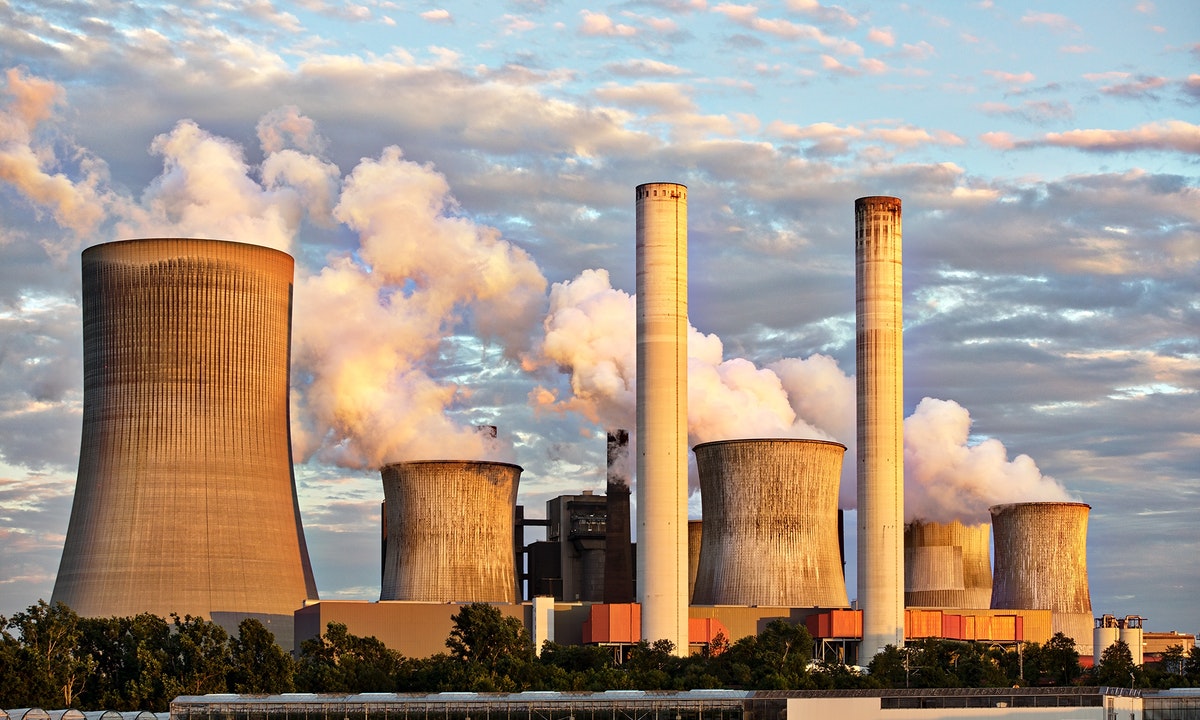
Biomass Power Plant Projects for Clean Energy Production Are Similar to the São Sepé Plant, Inaugurated in 2018
The construction of two new biomass plants (organic matter) for clean energy production is one step away from being initiated in Rio Grande do Sul. One of these plants will be built in Capivari do Sul and the other in Uruguaiana, both fueled by rice husks, according to the website Jornal do Comércio.
Luiz Antônio Leão, director of the company Enerbio, stated that one of the biomass plants, the Capivari plant, is expected to begin construction in the second half of 2022, with plans to be completed by the end of 2023. The construction of the Uruguaiana biomass plant is expected to start in the first quarter of 2023, with completion anticipated by mid-2024.
Together, the biomass plants require an investment of approximately R$ 105 million. As Leão explains, the role of Enerbio in the projects is to identify potential, structure the business plan, design an engineering project, sign contracts with rice husk suppliers, and seek distribution of the energy generated by the biomass plants.
-
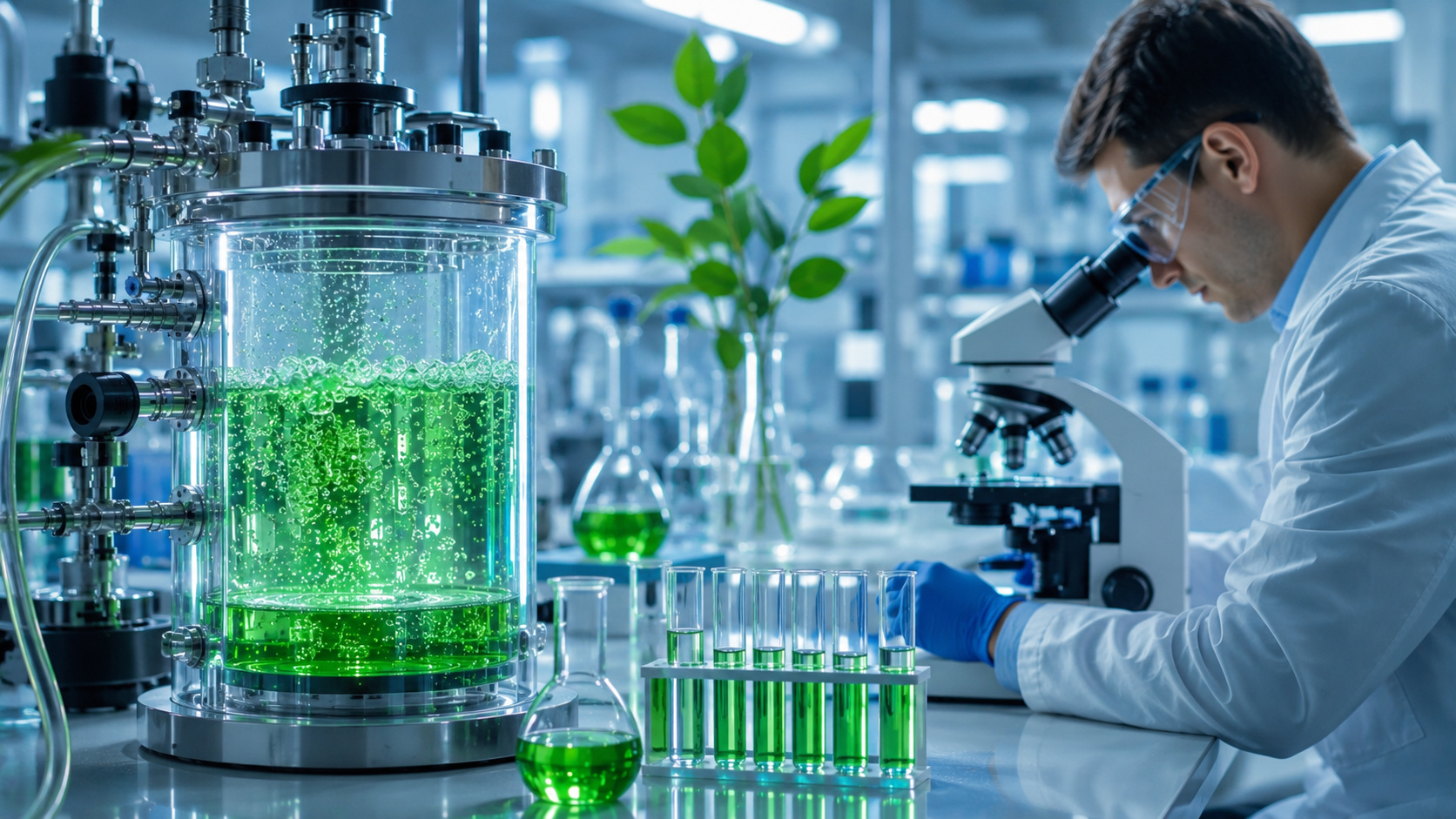
Brazilian scientists are simultaneously advancing two research projects on clean hydrogen and driving solutions that could transform the energy matrix, enhance industrial competitiveness, and accelerate large-scale emission reduction targets.

-
Advancement in renewable energy: A R$ 150 million project launched by Petrobras and Finep aims to create state-of-the-art electrolyzers for green hydrogen, strengthening national research and preparing Brazil to compete in a billion-dollar energy market.
-
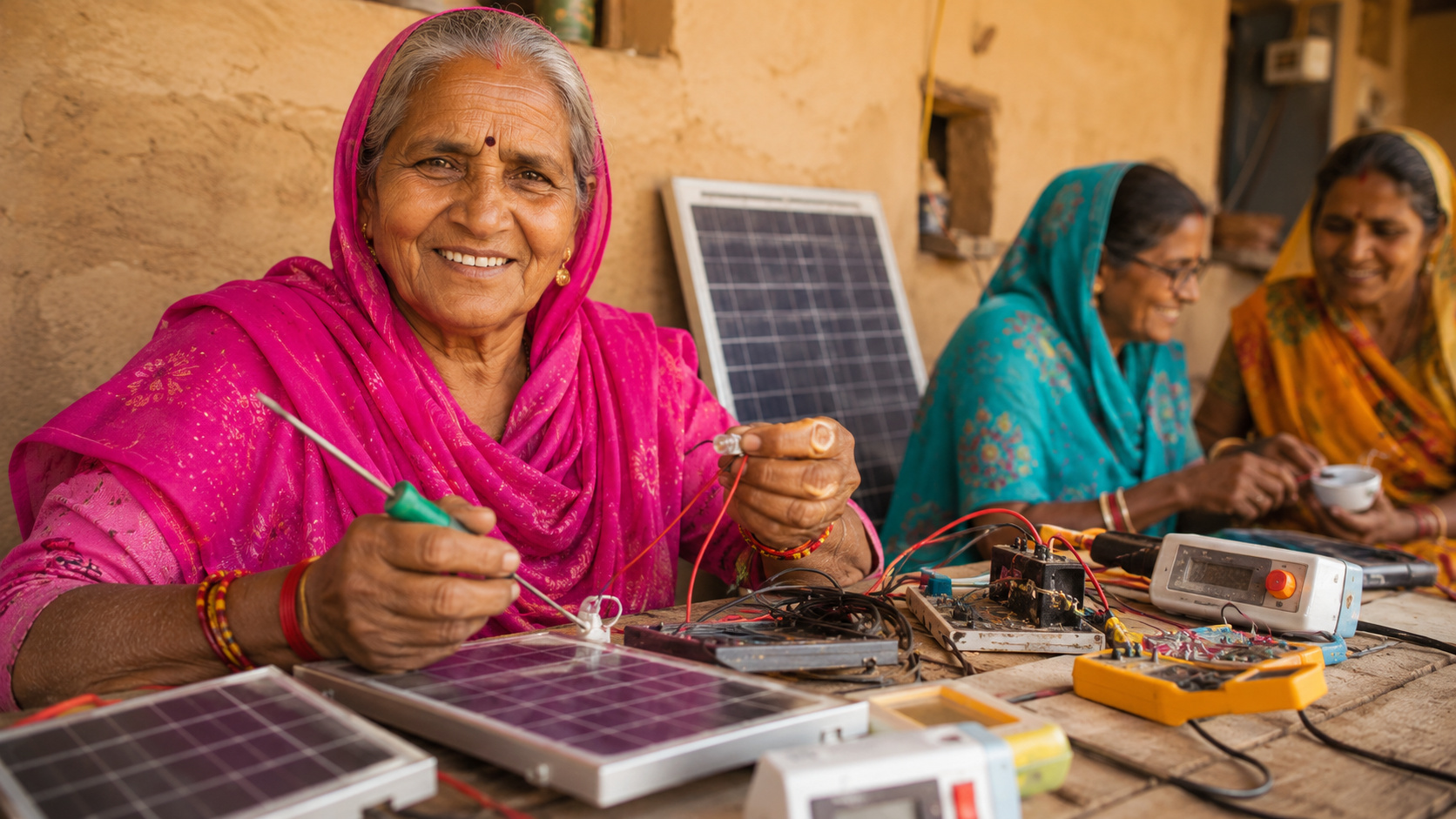
Illiterate or semi-literate grandmothers were trained to repair solar systems, open rural workshops, and light up homes that still depended on kerosene.
-
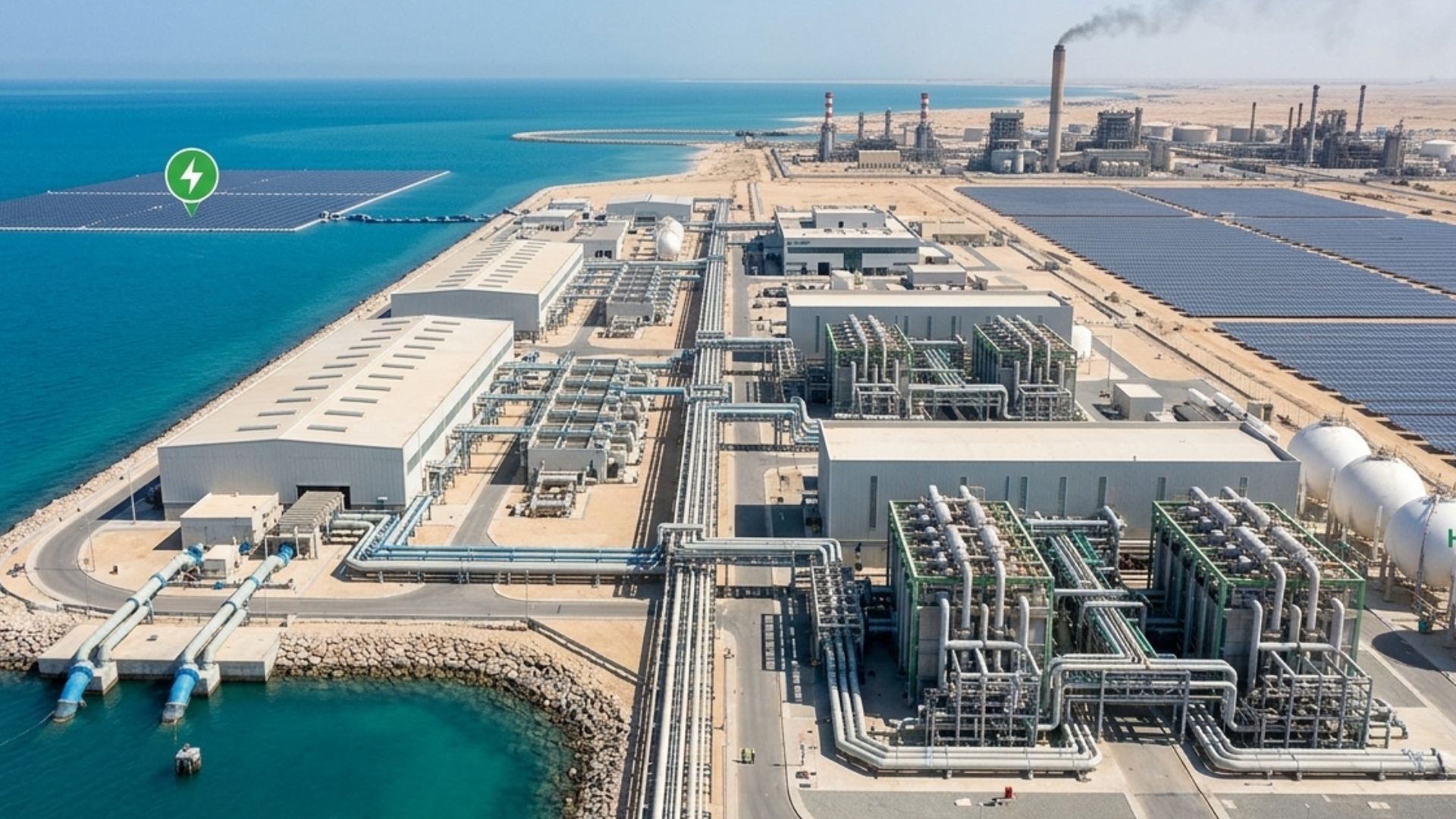
The world has bet on green hydrogen as the fuel of the future, but now faces the side effect: producing 1 kilogram requires about 9 liters of ultrapure water, and the largest projects on the planet are precisely in the driest regions of the Earth, where water is already scarce for people.


“And then we bring in a partner investor,” comments the executive. The company was already involved in a similar initiative with the São Sepé plant, which had Creral, from Erechim, as the main investor, along with other minority partners. This plant became operational in 2018.
Differences Between the Biomass Plants of Capivari do Sul, Uruguaiana, and São Sepé
Although similar, the three plants that share the same company as “parent” have some differences among themselves. While the plant in São Sepé has an installed capacity of 8 MW of energy (enough to supply a city of 120,000 inhabitants), the other two plants will each have a generation capacity of 5 MW.
Another difference is the energy commercialization environment. The energy production from the São Sepé plant was auctioned off to supply the Brazilian interconnected electrical system, while the Capivari do Sul and Uruguaiana plants will focus on generating distributed energy.
The director of Enebio also comments that in this modality of energy generation from the plants, sectors such as pharmacy chains, gas stations, or supermarkets will be able to purchase a portion of the produced energy.
Construction of the New Plants Foresees Job Creation
With the construction of the new plants, the expectation is that they will create 100 to 120 jobs during development, and later, in operation, an additional 25 to 30 direct jobs and around 50 indirect jobs. The expected rice husk consumption is around 40,000 to 45,000 tons per year for each plant.
Investments in the Energy Sector Through Biomass Increase in São Paulo
From 2018 to 2022, the State of São Paulo attracted investments of approximately R$ 5.8 billion in biomass energy. The information is from the Investment Announced Research in the State of São Paulo, Piesp, from Fundação Seade, which states that nearly two-thirds of the resources refer to projects where the biomass source is sugarcane waste, such as bagasse, straw, vinasse, and/or filter cake.
Just over R$ 1.7 billion is related to urban solid waste deposited in landfills, while another R$ 503 million is associated with the use of forest waste, especially wood pieces.
Considering the total investments, R$ 3.0 billion were allocated to generating electric energy, while the remainder was allocated to the production of biofuels, with R$ 2.0 billion for ethanol production and R$ 773 million for biogas production.







Be the first to react!