Portuguese
  Spanish


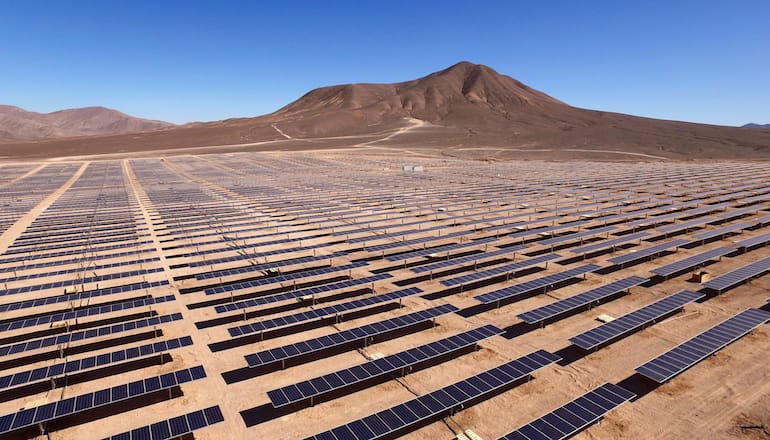

Installation Solar Of 400 MW By China Energy Engineering Group With Arctech Trackers In Dry Weather And Sand Storms, Part Of The 1 GW Project.
The 400 MW photovoltaic plant, which is part of a 1 GW solar project developed by China Energy Engineering Group (CEEC), has been connected to the grid in Uzbekistan. This project utilizes Arctech trackers designed to withstand adverse weather conditions, such as frequent sand storms and the dry climate of Uzbekistan. When fully operational, the 1 GW plant is expected to generate 2.4 billion kWh annually, significantly contributing to clean energy production in the region and creating 1,600 local jobs. The grid connection ceremony, attended by President Shavkat Mirziyoyev, marked an important milestone for the project’s development in the region, which is part of the Belt and Road initiative, promoting collaboration between China and Central Asia.
Moreover, the connection of this photovoltaic plant is a significant step towards expanding solar power generation in the region, contributing to the construction of green infrastructure along the Belt and Road initiative. This solar power plant, also referred to as photovoltaic central or solar park, represents an important advance in the transition to renewable energy sources and in reducing dependence on fossil fuels. The deployment of more photovoltaic plants like this is essential to meet the growing energy demands sustainably and to lessen the environmental impact of human activities. This project demonstrates a commitment to sustainable development and the adoption of environmentally friendly technologies in the region.
400 MW Photovoltaic Plant Inaugurated In Uzbekistan
A new 400 MW photovoltaic plant was recently inaugurated in Uzbekistan, the result of a partnership between China Energy Engineering Group and Arctech. The solar power plant, also known as a solar park, is equipped with advanced Arctech trackers, designed to withstand sand storms and the dry climate of the region.
-
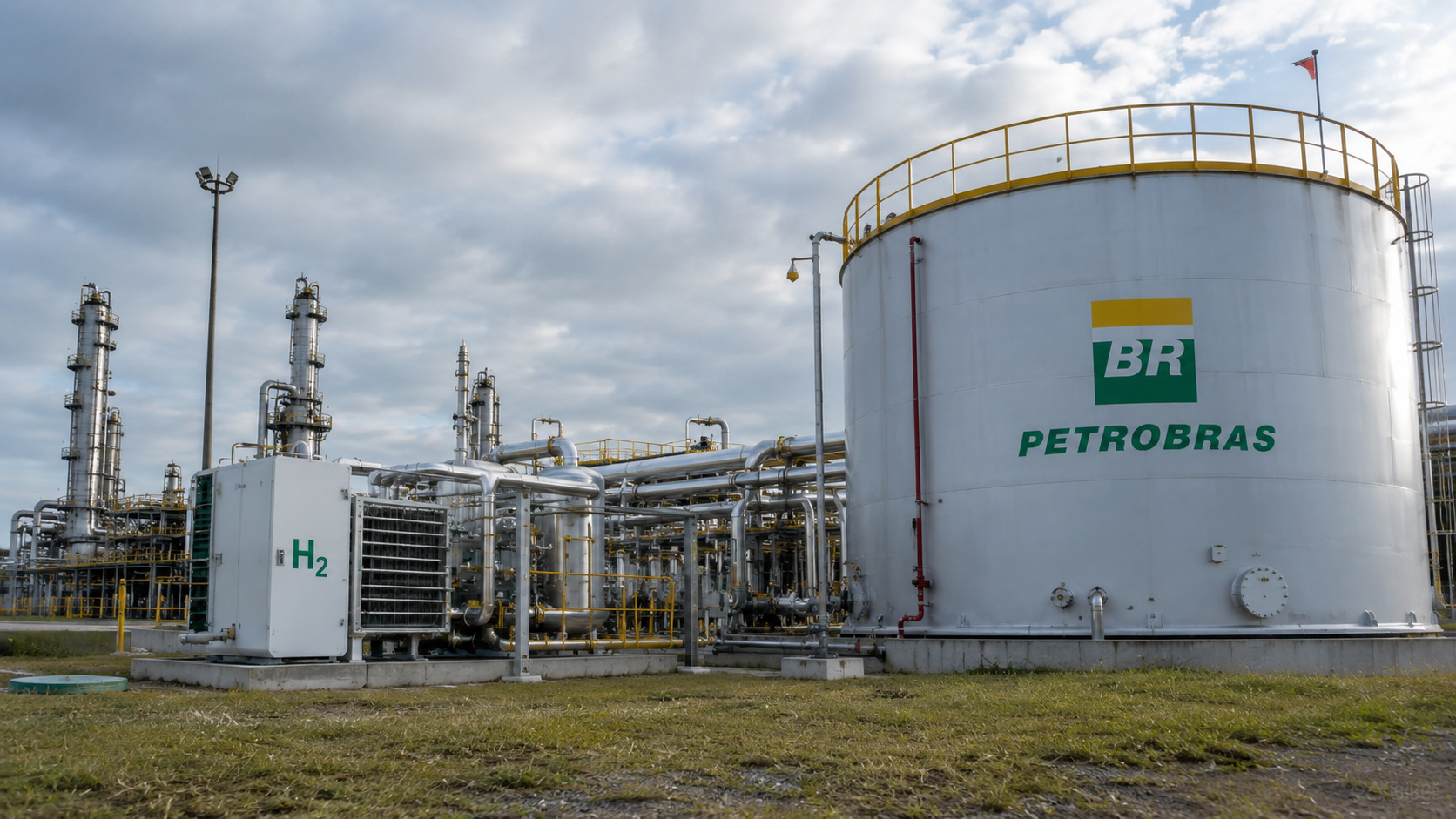
Brazilian scientists are simultaneously advancing two research projects on clean hydrogen and driving solutions that could transform the energy matrix, enhance industrial competitiveness, and accelerate large-scale emission reduction targets.

-
Advancement in renewable energy: A R$ 150 million project launched by Petrobras and Finep aims to create state-of-the-art electrolyzers for green hydrogen, strengthening national research and preparing Brazil to compete in a billion-dollar energy market.
-
Solar energy can increase property value by up to 10% and become a selling point.
-
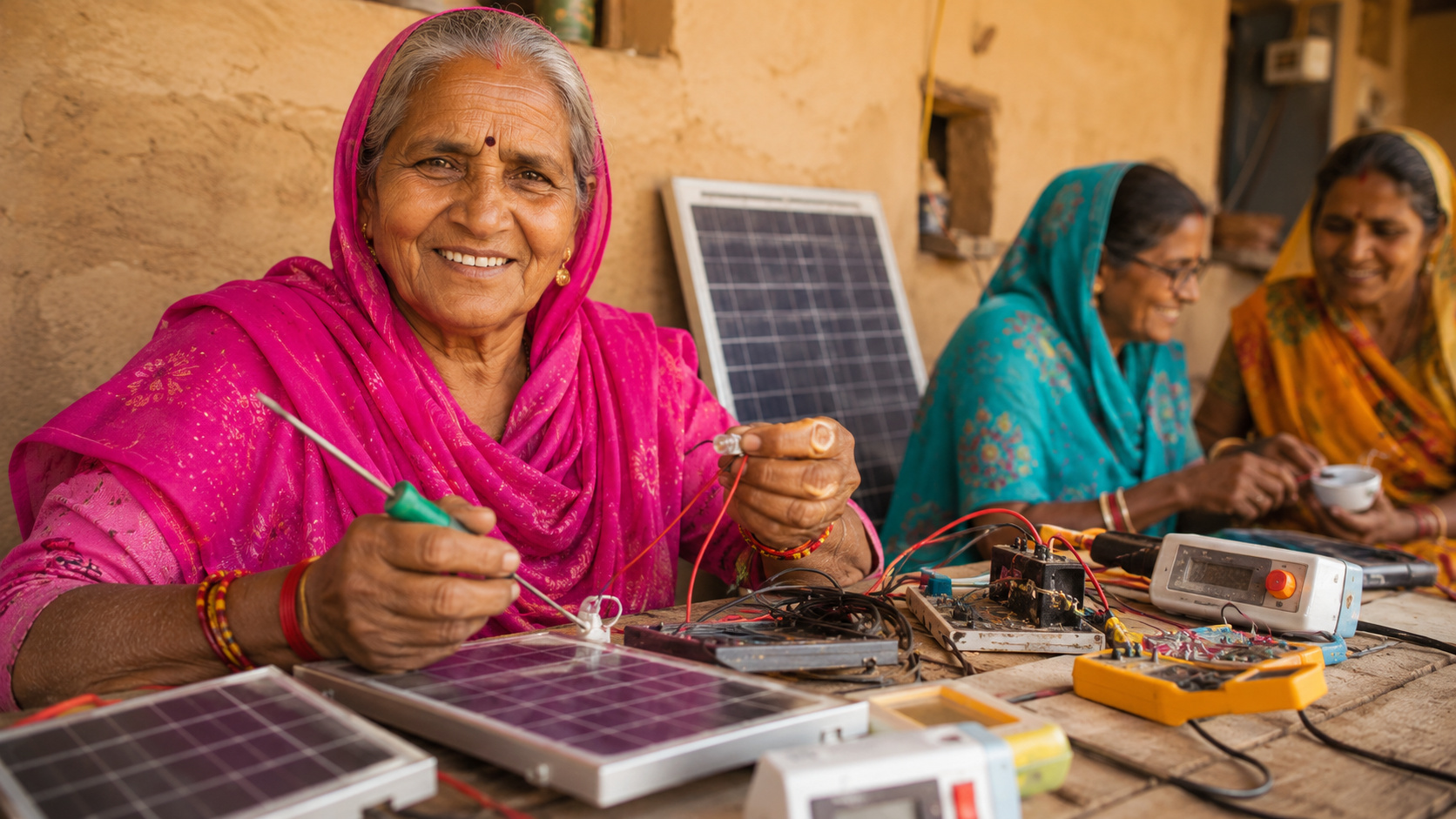
Illiterate or semi-literate grandmothers were trained to repair solar systems, open rural workshops, and light up homes that still depended on kerosene.


With a total capacity of 1 GW, the photovoltaic plant is expected to generate over billion kWh per year, marking a significant milestone for the country. Additionally, the construction and operation of the plant are creating local jobs and contributing to the economy.
President Shavkat Mirziyoyev praised the inauguration of the plant, highlighting the fundamental role it plays in the Belt and Road initiative, promoting international cooperation and sustainable development. The photovoltaic plant represents a great advance in Uzbekistan’s pursuit of clean and renewable energy sources, as well as strengthening relations between the two countries.
Source: © Re News.Biz