Portuguese
  Spanish


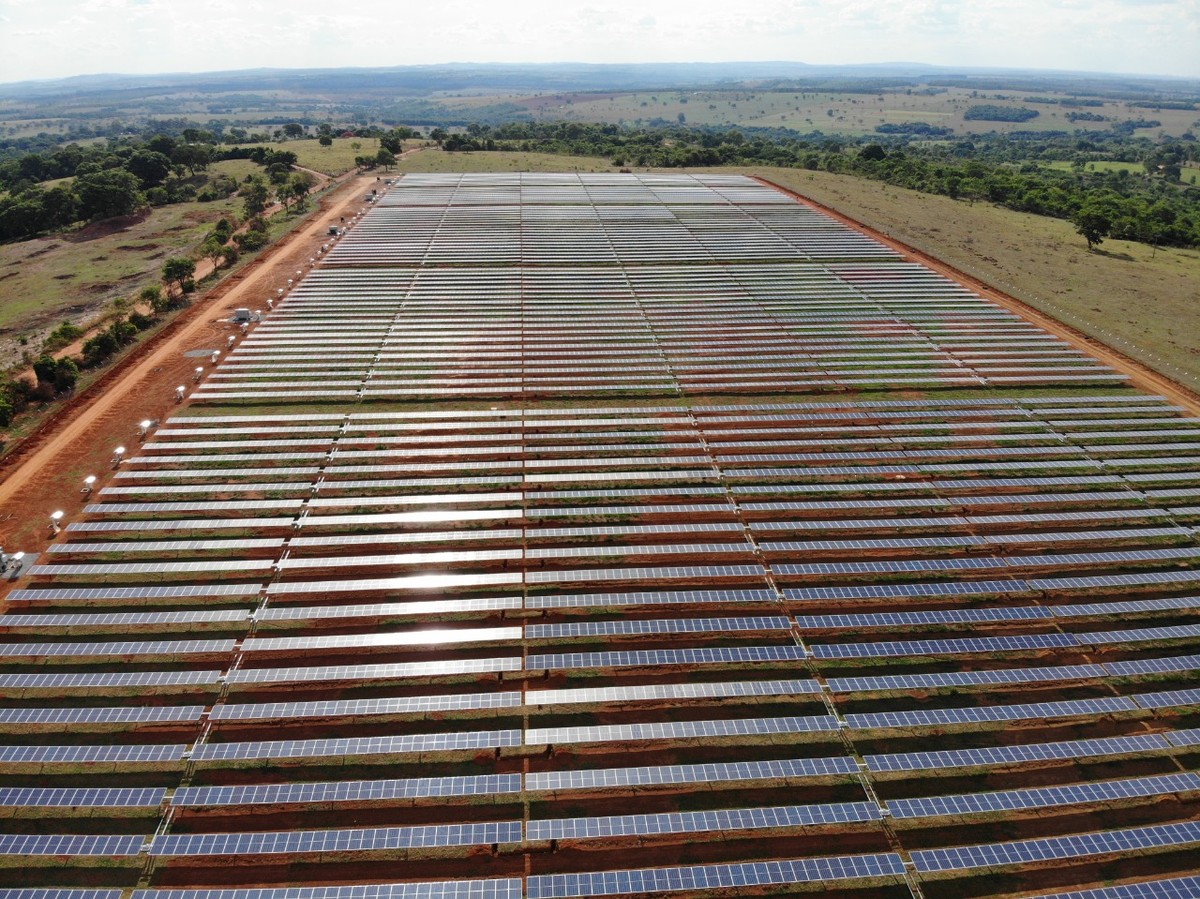

Beyond The Vivo Plant In Rio Grande Do Norte, 22 Other Plants Of The Company Are Already In Full Operation In The Country
Vivo, which has entered the sustainable world to also stimulate the generation of 100% renewable energy, inaugurated in Nova Cruz its first solar power plant focused on distributed generation in the state of Rio Grande do Norte.
Read Also
Energy Generation Capacity Of The New Vivo Distributed Generation Solar Plant Reaches Over 4,000 Megawatts Per Hour/Year
The Vivo solar plant was built in partnership with Grupo Gera, on an area of eight hectares, and will harness solar energy, with a potential to generate around 4,905 Megawatts per hour/year.
The production of the new Vivo plant in Rio Grande do Norte will soon be connected to the electricity grid of COSERN, part of the Neoenergia Group, to assist in supplying the energy consumption of over 320 Vivo units, such as stores, offices, antennas, as well as transmission equipment located in the concession area served by the distributor.
-
Engie Secures 10-Year Use of 625 MWh in Batteries to Store Excess Solar and Wind Energy in Spain by 2028

-
Giant Batteries Take Center Stage in Chile Auction as Company Offers 960 GWh of Solar Energy for Nighttime Use, Aiming to Stabilize Solar Power Supply
-
After a Year of Success in Switzerland, Solar Railway Attracts Italy’s Interest for Clean Energy Transformation
-
Robots Clean Solar Panels in Desert Power Plants Without Water, Preventing Energy Losses

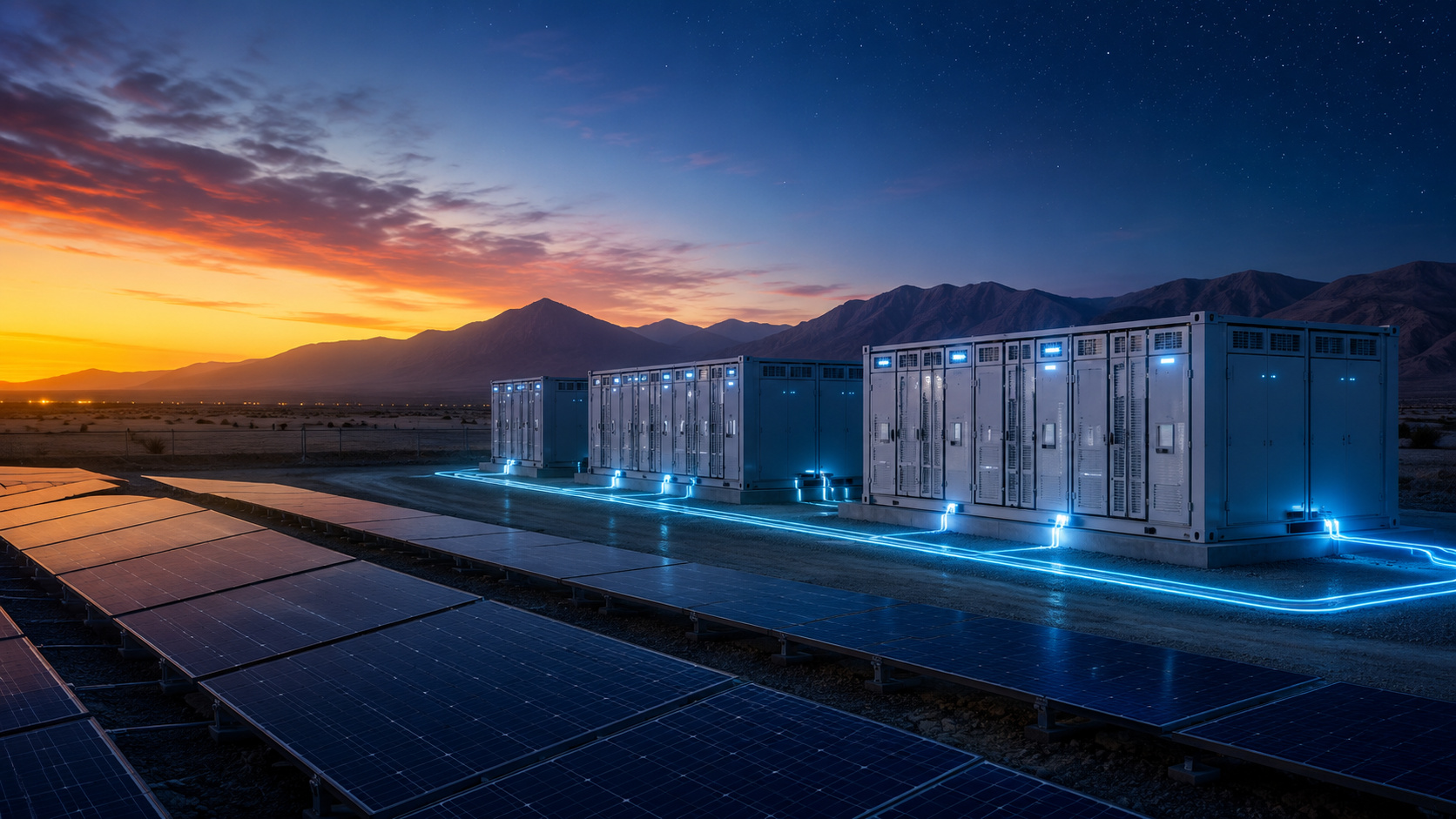


With The Arrival Of The Vivo Solar Plant In Rio Grande Do Norte, New Perspectives Arise For The State
The Vivo solar plant in Nova Cruz brings various social, environmental, and especially economic benefits to the region. During the initial construction phase, around 65 jobs were created. Now in the operational phase, there are currently 5 fixed job positions. Additionally, various improvements were made to the electrical network surrounding the company’s plant.
The current director of Assets at Vivo, Caio Guimarães, stated that in addition to contributing to the environment, distributed energy generation provides relief to the distribution system, precisely because it is renewable and has minimal impacts, generating savings and sustainability.
Guimarães highlighted that this is a major and important initiative by Vivo in the Environmental, Social, and Corporate Governance (ESG) realm. The Assets director also spoke about the benefits this plant will bring to the entire community of the region, as well as to the companies in the state and mainly to the planet, with the reduction of greenhouse gas emissions.
Distributed Generation Production In Brazil
This initiative is part of Vivo’s strategy framework aimed at expanding its own energy production from renewable sources. With 85 plants planned in the company’s distributed generation program across Brazil, around 22 are already in full operation in different regions and with various partners and investors.
The Vivo plants are generating energy from solar, hydro, or biogas sources. This distributed energy generation production through Vivo’s plants in the country will respond to around 89% of low voltage consumption and will serve over 30,000 Vivo units throughout Brazil.
The distributed solar energy market actually began here in Brazil only in 2012. Although some consumers had already begun using this technology, its regulation was only established through Normative Resolution 482 of 2012. This regulation created the rules for distributed generation and is considered a legal landmark for solar energy.
The expectation is that around 711 thousand MWh/year of energy will be generated, enough to supply the consumption of a city with up to 320,000 inhabitants.