






 Portuguese
  Spanish


This Situation, Although It Seems Uncommon, Is More Frequent Than One Might Imagine and Happens in Several Cities in Brazil.
Believe It or Not: thousands of Brazilians live in properties built on land that does not belong to them, but to the Catholic Church. Although the residents are legitimate owners of the constructions — such as houses, buildings, and businesses — the land, that is, the ground on which everything was built, formally belongs to the Church.
This Situation, Although It Seems Uncommon, Is More Frequent Than One Might Imagine and Happens in Several Cities in Brazil.
The detail that catches many by surprise is the so-called laudemium, a fee that must be paid to the Church whenever there is a sale of a property built on these lands. The amount generally corresponds to 2.5% of the transaction value and is charged directly to the seller.
-
Couple Transforms Abandoned Farm in São Paulo into Major Poultry Operation with 295,000 Birds and Plans for Expansion

-
U.S. Giants Oppose New 25% Tariff on Brazilian Imports, Warn of Impact on Electric Cars, Coffee, and Orange Products

-
Off-Duty Firefighter Rescues Three Children Trapped Under Overturned Boat in Brazilian Lake

-
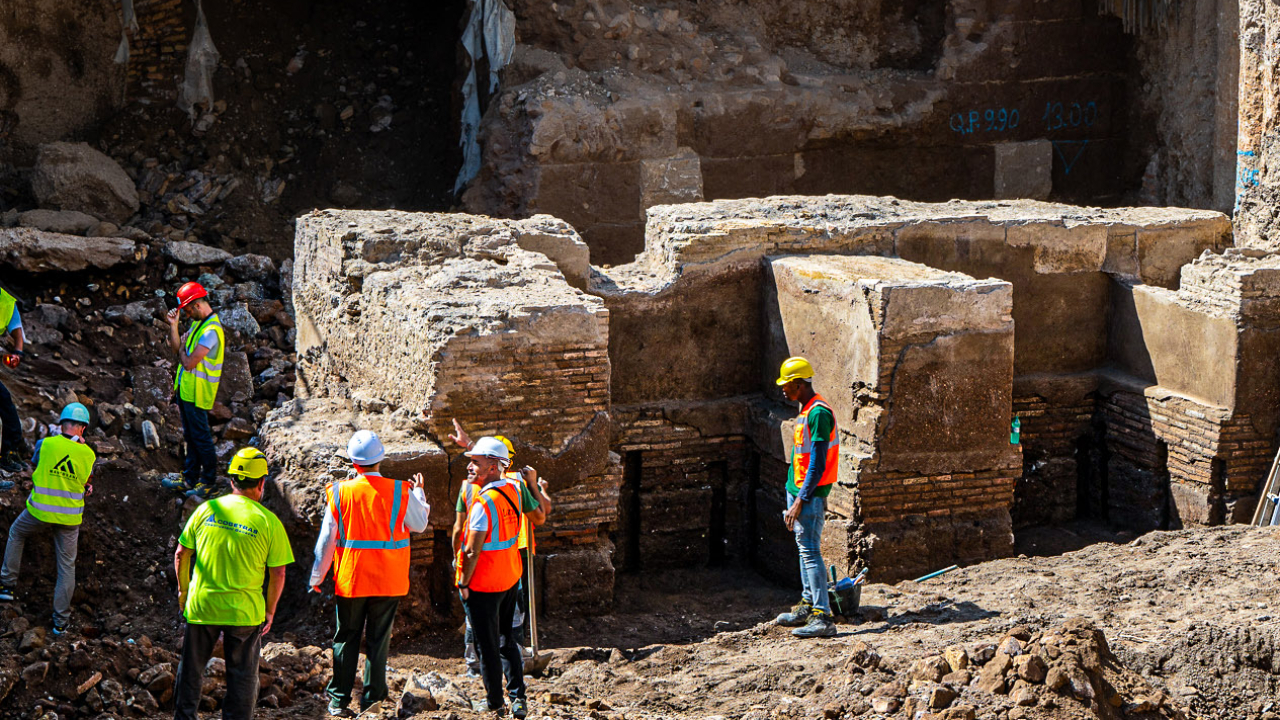
Workers near the Vatican uncover lead pipe revealing Emperor Caligula’s name and site of his opulent garden from nearly 2,000 years ago



This means that, in a negotiation of R$ 1 million, for example, R$ 25 thousand go straight to the Church’s coffers, regardless of its involvement in the construction or maintenance of the property.
Ribeirão Preto, São Paulo: City with Income Source for the Church
A classic example of this practice can be found in Ribeirão Preto, in the interior of São Paulo. There, dozens of blocks located in the central region of the city are considered land of the Catholic Church. Many residents only discover this peculiarity at the time of selling their properties, when the payment of the laudemium becomes mandatory.
The origin of this levy dates back to the colonial period, when large landowners donated extensive portions of land to the Church as a way to secure social or spiritual prestige. Over the centuries, even with urbanization and modernization of cities, the control over these areas has been maintained, and the right to laudemium remains valid to this day, yielding millions of reais annually to the religious institution.
The Navy Also Charges. Did You Know?
But it is not just the Church that benefits from this practice. The Brazilian Navy also charges laudemium in areas called maritime lands — strips of land located up to 33 meters from the shoreline or navigable rivers. It is estimated that over 300,000 properties are located in these regions and are subject to the same fee.
Did You Already Know About the Existence of Laudemium? Do You Know Anyone Who Had to Pay This Fee? Share in the Comments.




