






 Portuguese
  Spanish


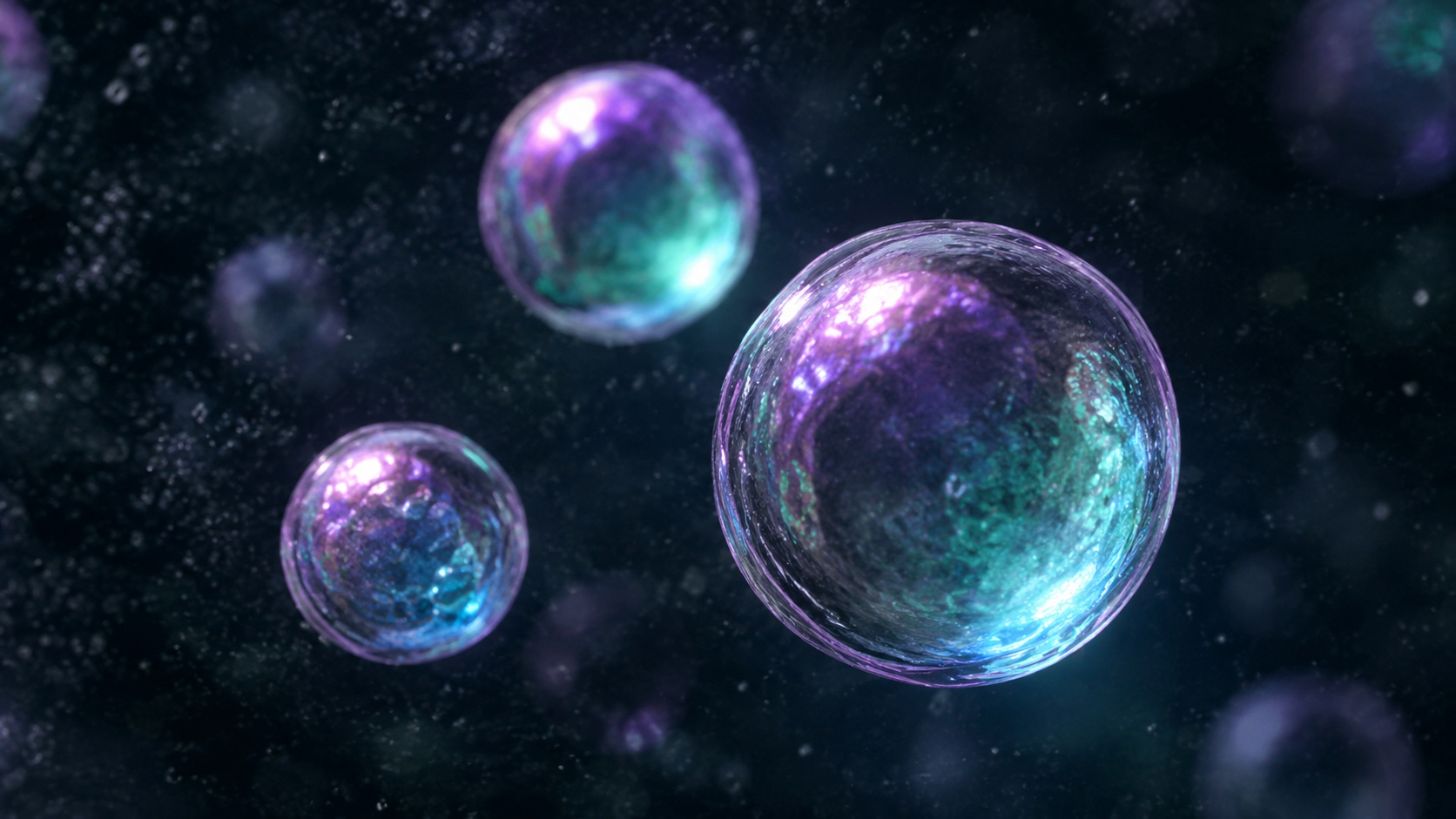

Synthetic structure created at the University of Minnesota reignites debate about the limits of life and marks an important advancement in synthetic biology.
A team from the University of Minnesota announced on July 1, 2026, the creation of the SpudCell, a synthetic cell capable of performing functions associated with life.
The structure can feed itself, grow, copy its genetic material, divide, and compete for resources. Even so, it is not yet considered a complete living organism.
Innovative project attracts scientific attention
The SpudCell was developed by the team led by synthetic biologist Kate Adamala from the University of Minnesota.
-
World’s Largest Camera, with 3,200 Megapixels, Begins Operation, Capturing Sky Images Every 30 Seconds for the Next Decade

-
Canary Island with 11,000 Residents and Over 500 Volcanoes Uses Wind and Water as a Giant Battery to Demonstrate Remote Areas Can Survive Without Fossil Fuels

-
Brazilian Craftsman Builds Small Hydropower Plants Generating Over 1,000 kWh Monthly, Paying for Themselves in Just Over a Year

-
Unknown Molecule Possibly Detected on Pluto and Titan by James Webb Telescope



According to the institution, the cell was assembled with non-living chemical components. Therefore, the system represents an important advancement in the attempt to reproduce cellular processes in the laboratory.
Although it behaves like a common cell in some ways, the SpudCell is simpler than natural organisms.
How the SpudCell works
The synthetic cell operates with only 36 genes. For comparison, the human genome has about 20,000 genes, while the bacterium Escherichia coli has more than 4,000 genes.
The system also received proteins, essential molecules, ribosomes, and lipid vesicles. These vesicles function as artificial membranes.
In this way, the structure can organize internal chemical reactions and perform steps similar to those of living cells.
Cell division without a complete organism
According to information released by the University of Minnesota, the SpudCell can go through a complete cycle, including growth, genetic replication, and division.
However, the system still depends on controlled conditions in the laboratory. Therefore, the researchers do not claim to have created complete life.
Even so, the discovery was considered relevant because it shows that basic behaviors of life can be reproduced with organized chemistry.

Debate about what can be considered life
The creation of the SpudCell has reignited an important question: at what point does a chemical structure begin to resemble life?
The topic was highlighted by publications such as The New York Times, Science, The Guardian, Olhar Digital, and by the University of Minnesota itself.
Despite the enthusiasm, caution remains. After all, the SpudCell is not an autonomous living being, but rather a synthetic structure with basic cellular functions.
Possible impacts of the discovery
According to the researchers, the study can help science better understand the limits of life. The research may also pave future paths for medicines and carbon capture.
Therefore, the SpudCell does not represent the definitive creation of life in the laboratory. Nevertheless, it marks an important technical step for synthetic biology.
What do you think defines life: being born naturally or being able to grow, feed, and reproduce? Share your opinion!


