Portuguese
  Spanish


Eisriesenwelt, in Austria, is the largest ice cave in the world, with 42 km of length and frozen formations preserved by natural air currents.
Hidden within the Tennengebirge massif in the Austrian Alps, there is a cave so large that it was named Eisriesenwelt, a German expression that literally means “World of the Ice Giants”. The site houses the largest known ice cave system on the planet and remains one of the most impressive underground formations in Europe.
With more than 42 kilometers of length, Eisriesenwelt challenges the idea that ice can only survive in glaciers or polar regions. Inside the mountain, enormous frozen walls, ice columns, crystallized cascades, and underground corridors remain preserved thanks to a natural ventilation mechanism that functions like a gigantic geological refrigerator.
A 42-kilometer underground system makes Eisriesenwelt the largest ice cave in the world
According to the official site of Eisriesenwelt, the cave is located in Werfen, about 40 kilometers south of Salzburg, and is considered the largest ice cave on the planet open to visitors.
-
Volcanic Soils from Destructive Eruptions Turn into Million-Dollar Crops: Ashes Nourish Grapes in Lanzarote, Bananas in the Canary Islands, Blood Oranges on Mount Etna, and Cacti in Mexico, Showcasing How Lava-Formed Lands Sustain Rare Harvests in Seemingly Barren Regions

-
In the Caucasus Mountains, a Community Preserves a Language So Rare Few Outsiders Can Understand It

-
Slovakia’s Ice Cave Holds Over 110,000 m³ of Frozen Wonders, Boasts Walls Up to 27 Meters Thick, and Was Among the First Electrified Caves Globally

-
Street Cleaner Accidentally Receives $200,000 Transfer, Returns Unexpected Fortune to Rightful Owner

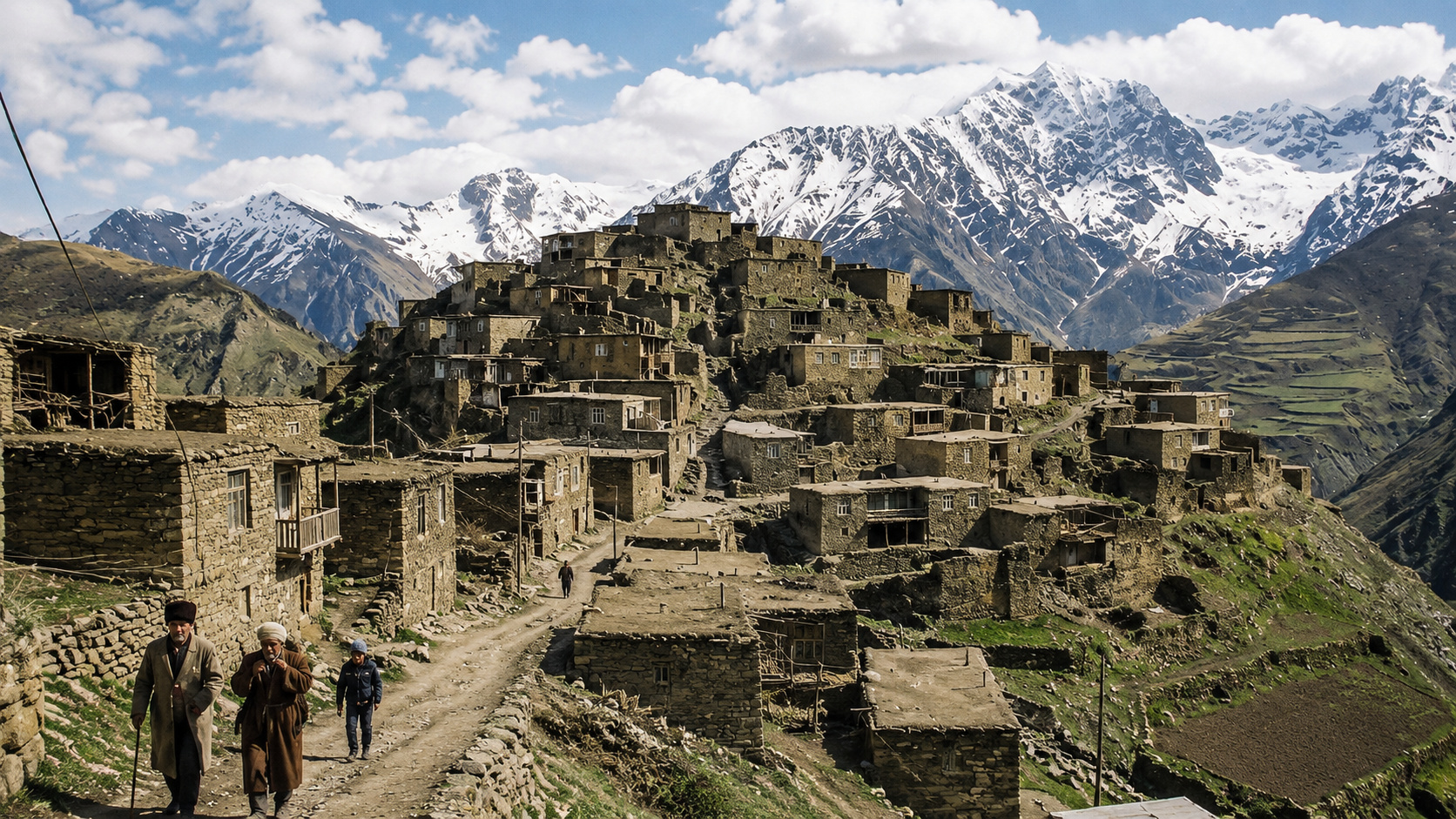
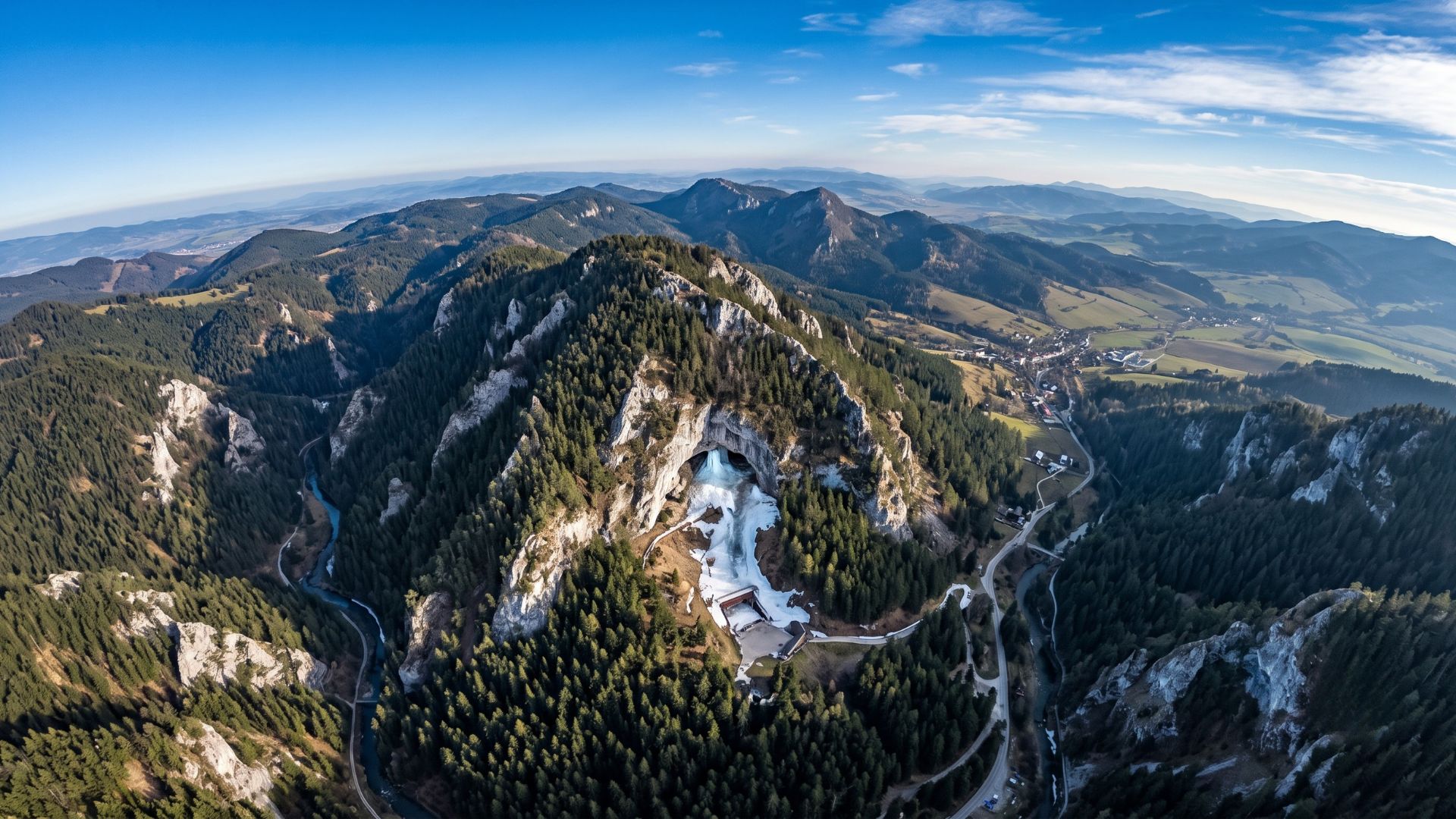

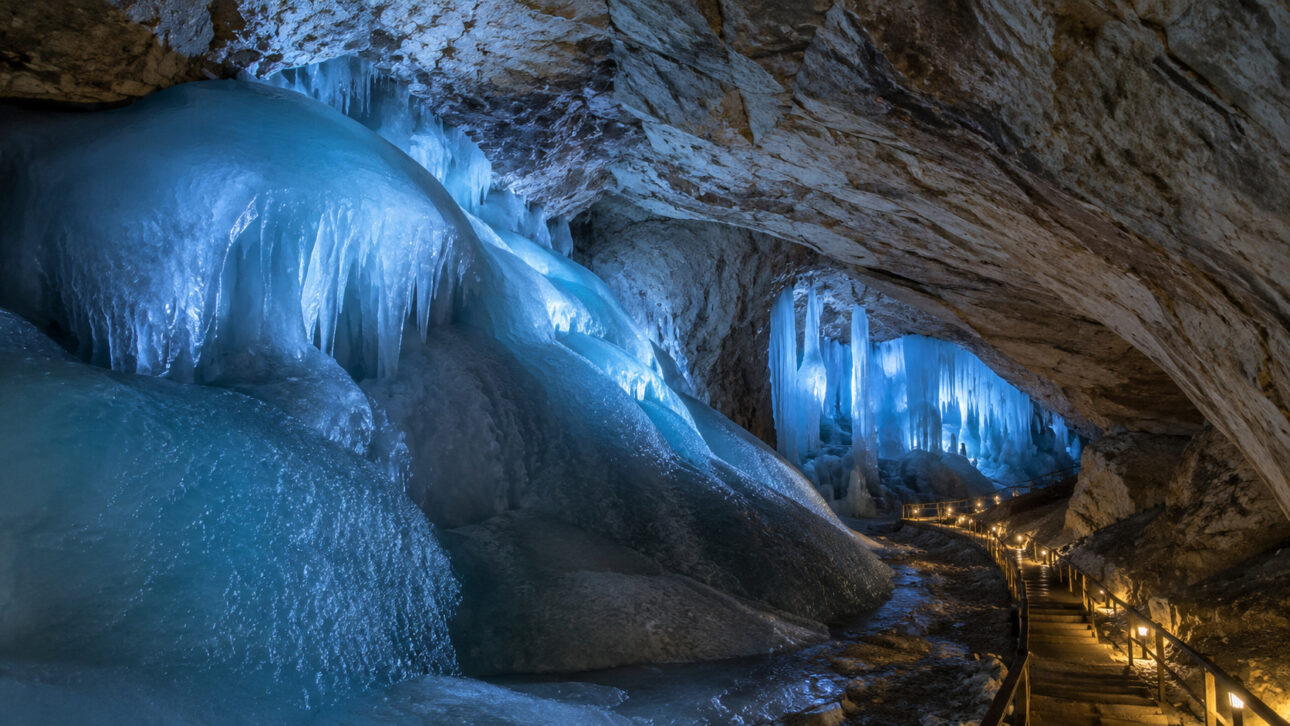
Historical data indicates that the system has more than 42 kilometers of underground galleries, although only approximately 1 kilometer is covered by permanent ice and accessible to the public. The rest is mainly composed of limestone corridors and continues to be the subject of geological and speleological studies.
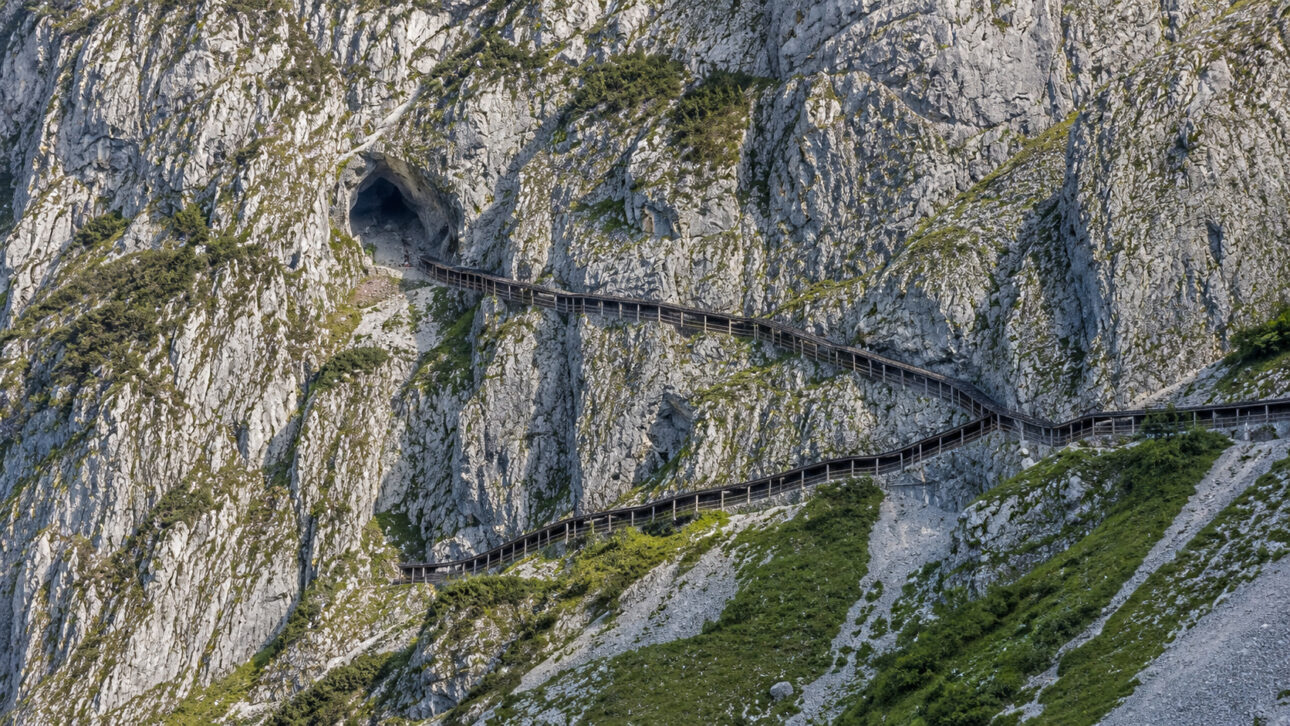
According to information from the Salzburg tourist portal, the main entrance impresses with its dimensions, reaching about 20 meters in width and 18 meters in height, functioning as a kind of portal to a frozen universe hidden inside the mountain.
Natural air currents transform the mountain into a gigantic underground refrigerator
The phenomenon responsible for the preservation of the ice is known as the chimney effect. According to the geological description of Eisriesenwelt, during the winter the extremely cold air penetrates through the cave entrance and remains trapped in its internal galleries.
When summer arrives, this cold air remains stored inside the mountain, preventing the formations from melting.
Additionally, the water from the melting snow on the upper parts of the mountain seeps through the limestone rocks. When it reaches the cold areas of the cave, it freezes again, creating new layers of ice and continuously renewing the existing formations.


According to the management of Eisriesenwelt, even during the warmest months of the European summer, the internal temperatures remain close to or below 0 °C, which is why visitors are advised to wear appropriate clothing for intense cold.
Discovered in 1879, the cave was once considered an entrance to hell
For a long time, local residents avoided approaching the site. According to historical records gathered by Eisriesenwelt itself, the inhabitants of the region believed that the enormous opening in the mountain was a passage to the underworld and avoided exploring it.
The first scientific exploration took place in 1879, conducted by the Austrian naturalist Anton Posselt, who managed to advance only about 200 meters into the cave. After publishing his reports in a mountaineering magazine, the discovery ended up being forgotten for decades.
Only at the beginning of the 20th century, new expeditions led by the speleologist Alexander von Mörk allowed for mapping deeper areas of the system. From the 1920s onwards, the cave began to receive regular visitors.
Only a thousand meters can be visited, but the frozen spectacle impresses thousands of people every year
Although the complete system exceeds 42 kilometers, only a small part is open to tourism.
According to the Eisriesenwelt administration, the tourist route covers approximately 1 kilometer, crossing some of the most well-known formations in the area, including the Posselt Hall, the Great Ice Slope, the Hymir’s Castle, and the so-called Ice Palace.
The tour includes about 1,400 steps distributed along the path, requiring moderate physical preparation from visitors.
Currently, approximately 200,000 tourists visit the Eisriesenwelt every year, making the cave one of Austria’s most important natural attractions.
A gigantic ice world hidden in the Alps continues preserving secrets of Europe’s climatic past
Far beyond tourism, the Eisriesenwelt holds scientific importance. Researchers consider its frozen formations natural archives capable of recording environmental changes over centuries.
The behavior of the ice, air circulation, and freezing processes help scientists better understand the climate dynamics in mountainous regions.

While Alpine glaciers progressively diminish due to global warming, the Eisriesenwelt remains one of Europe’s largest underground ice reserves.
Inside the mountain, natural sculptures continue to be slowly shaped by the combination of snow, water, rock, and air currents, creating a scene that seems closer to a frozen planet than to a terrestrial landscape.