Portuguese
  Spanish




The case of potable water reuse in Los Angeles shows how a solution against water scarcity can turn into public rejection when the population associates technology, treated sewage, home tap, and the fear of drinking something that has already been discarded
The city tried to transform treated sewage into potable water, but the public’s reaction placed the project at the center of a crisis of confidence. In Los Angeles, the East Valley Water Recycling Project became a symbol of a difficult dispute between science, politics, and disgust.
The investigation was published by AVEVA, an industrial software company. The case gained traction because the project became associated with the nickname “toilet to tap,” an English expression used to suggest that water would go directly from the toilet to the tap.
In practice, the problem ceased to be merely technical. The question that stuck in the public’s mind was simple and uncomfortable: would you drink water that yesterday was sewage? This reaction helped weaken an initiative linked to water supply and water infrastructure.
-
New York removed the tracks from over 2,500 subway cars and dumped everything at the bottom of the Atlantic, and what seemed like trash turned into an artificial reef teeming with fish and divers.

-
From matches sold by bicycle at age 5 to a global furniture empire: the lumberjack’s son founded IKEA at 17 in his uncle’s kitchen and transformed a small company into the largest furniture retailer on the planet.
-
The mansion in Flamengo, built in 1865 for the Baron of São Clemente and closed for 20 years, has become a spa, event hall, and gym for “Symphony,” a luxury condominium that sold 70% of its gross development value in the first month on the R$ 60 million land of the former Bennett College.

-
The Ipiranga convent, a 1924 building adjacent to the Museum that remained vacant for a decade and became home to dozens of cats, is reborn as “Alma Mater,” a luxury development worth R$ 130 million with a pool in the courtyard and a clubhouse in the former nuns’ chapel.


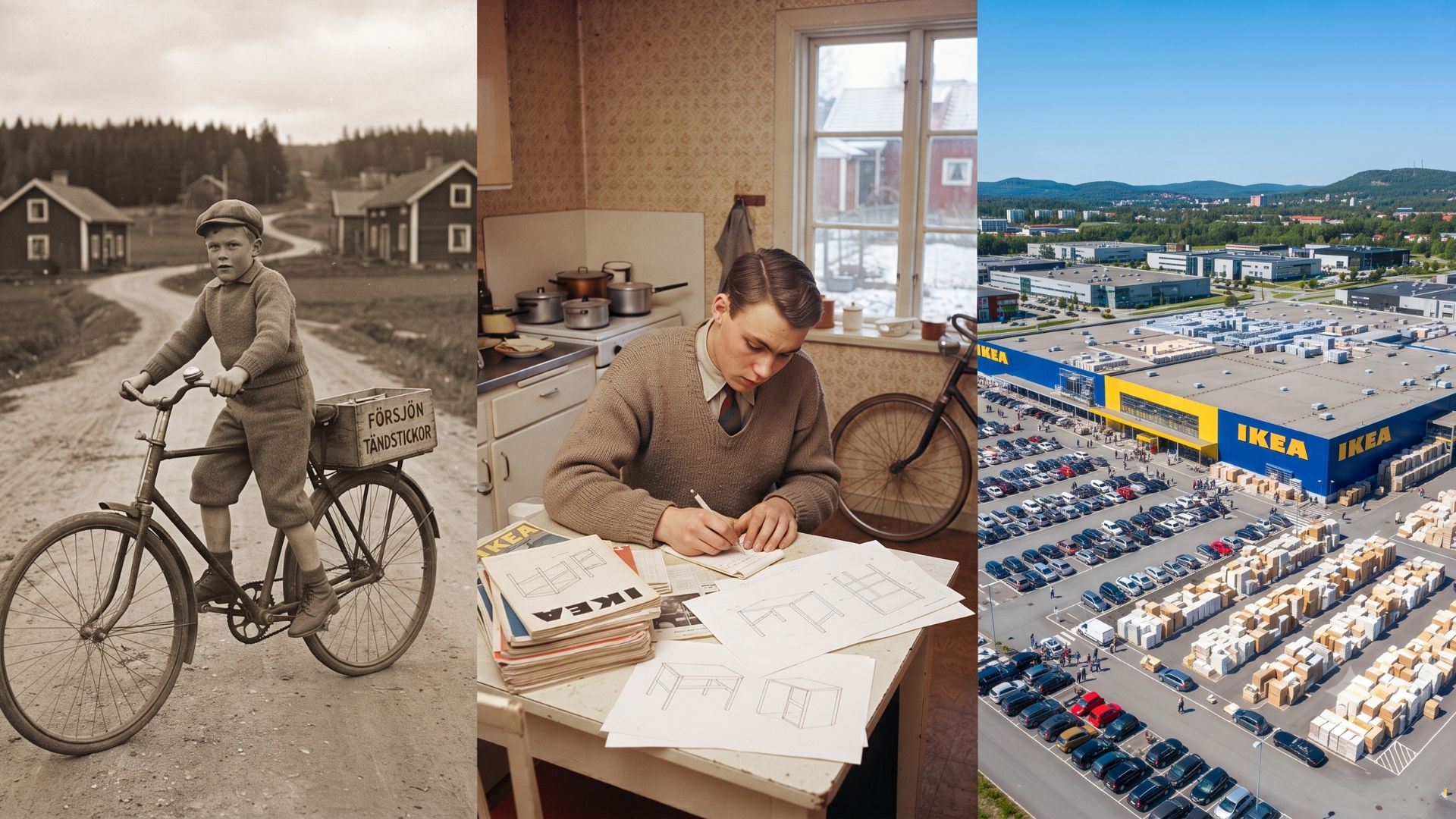


The potable water reuse project in Los Angeles became a target of distrust before convincing the population
The East Valley Water Recycling Project emerged as a proposal to expand the use of recycled water in Los Angeles. The idea involved treating wastewater and reusing this resource as part of a supply strategy.
For experts, highly purified water can be safe. For part of the population, however, the origin of the water weighed more than any technical explanation. The term sewage spoke louder than treatment.
This difference in perception created a difficult-to-control noise. What should have been seen as an alternative to address pressure on water resources ended up being treated as a threat within the home.
The case shows that potable water reuse does not depend solely on technology. It also depends on trust, simple language, and public acceptance.
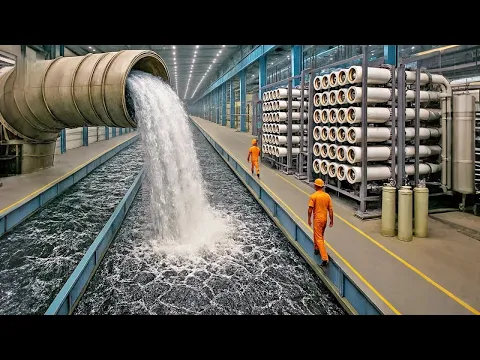

The ‘toilet to tap’ joke turned a supply solution into a political problem
The expression toilet to tap was decisive in transforming the debate. It simplified a complex process into an image that was easy to repeat and hard to erase.
Instead of discussing treatment, purification, and safety, the public conversation began to revolve around the idea of drinking water from the toilet. This fueled fear and reduced the space for explanations.
The disgust factor outweighed the scientific explanation about recycled water
The disgust factor appears when a person rejects something because of its origin, even after knowing that it has been treated. In the case of recycled water, this feeling is strong because the public links the topic to sewage.
Science can explain that water undergoes purification processes. Still, many people continue to imagine the water as dirty. This clash between reason and instinct is one of the biggest challenges in the sector.
Therefore, direct potable reuse projects require clear communication. It’s not enough to say that the water is safe. It’s necessary to explain, in simple words, how it is treated and why it can return to the supply system.
When this explanation doesn’t reach the public well, fear occupies the space. That’s what made the Los Angeles case so striking.
California resumed discussing rules for direct potable reuse despite the negative memory of the case
California has resumed advancing with rules for direct potable reuse, a topic that once again places recycled water at the center of supply strategies.
The information was released by AVEVA, an industrial software company. The publication detailed how California and other regions have resumed the debate on treated wastewater for potable use, even with historical public resistance.
This movement shows an important shift. What once became a joke and political wear and tear is once again being discussed as an alternative given the need to expand water sources.
Even so, the emotional barrier remains. Treatment can remove impurities, but trust needs to be built before consumers accept turning on the tap without fear.
Recycled water projects can succeed or fail based on how they are explained
The case of Los Angeles shows that a water infrastructure project can face resistance even before it is understood. The public needs to know what changes, how it works, and what controls are in place.
The word sewage scares people. The word treatment doesn’t always calm them. Therefore, communication needs to be direct, without complicated language, and without hiding the most sensitive point.
Rejection can delay projects, increase communication costs, and hinder investments in water supply. When public trust breaks, the technical solution loses strength.
In the end, the challenge is not just purifying water. It’s about making the public understand that recycled water doesn’t mean drinking dirt.
The episode became a warning for cities seeking new water sources
The story of the East Valley Water Recycling Project became a warning for any city considering reusing treated water. Without trust, even a safe solution can be rejected.
The lesson is simple. Recycled water projects need to explain the process before nicknames, jokes, and fear dominate the conversation. When the public understands too late, resistance can become greater than the project itself.
The case of Los Angeles shows that the future of water supply also depends on public perception. Technology may be ready, but popular acceptance needs to go hand in hand.
Recycled water for human consumption still raises doubts, disgust, and debate. Would you drink reused water after learning about the treatment process? Leave your opinion in the comments and share this post with anyone who follows topics on water, environment, and infrastructure.