






 Portuguese
  Spanish


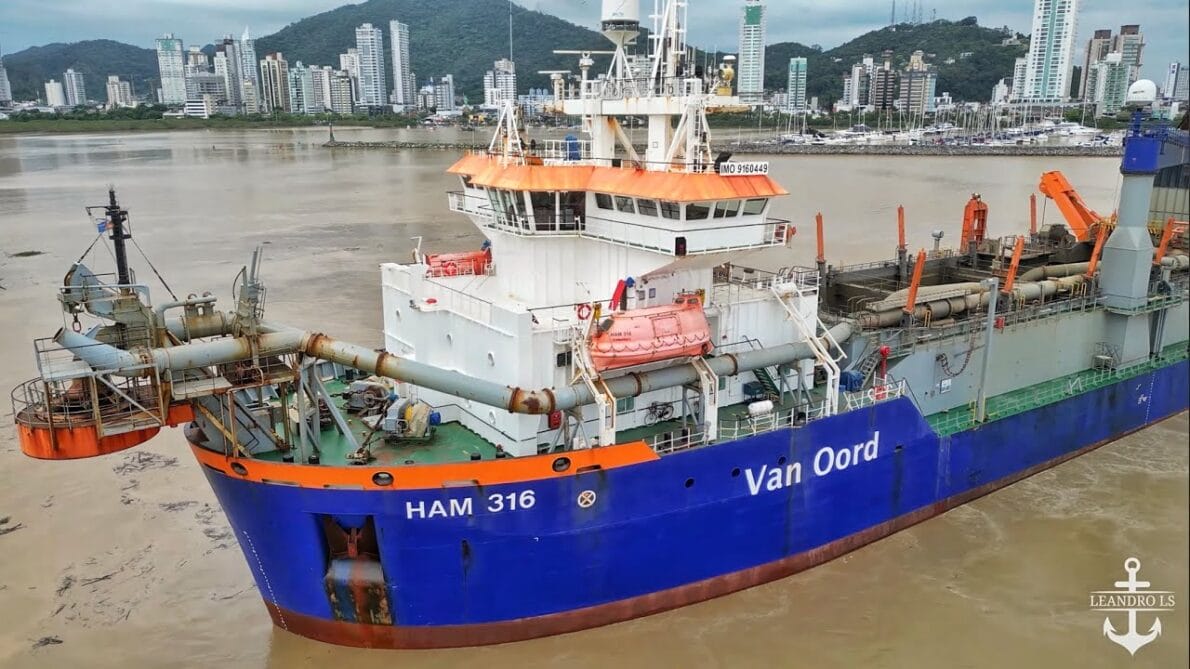
Know The Dredger HAM-316, The Largest Suction Dredger In Brazil That Has Already Removed Millions Of Waste In Itajai. The Vessel Has Been Operating In The Area Since 2023 And Impresses!
In this article you will get to know the Suction Dredger HAM-316, which was built in the Netherlands in 1998. The HAM-316 dredger is responsible for maintaining a port channel, which involves the removal of sediments from its bed, to maintain the necessary depth for the navigation of ships, ensuring navigability and safety in the channel. Check out everything about the largest suction dredger in Brazil.
Suction Dredger HAM-316 Can Store More Than 11 Tons Of Cargo
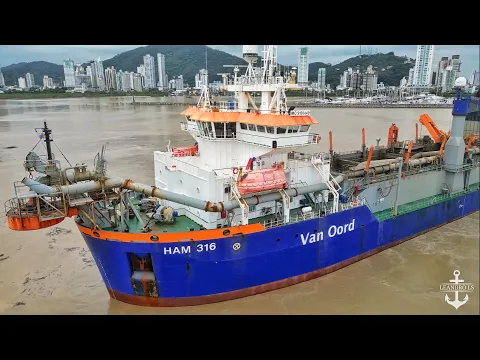

The HAM-316 dredger has a gross tonnage of 9,865 tons, a length of 128.46 meters, and a beam of 22 meters. Its cargo storage capacity is 11,409 kilograms. Since the Dredger HAM 316 arrived in Itajai in the second half of November 2023, its performance has been recorded accurately and punctually on a daily basis.
Being of utmost necessity for the collection and removal of solid materials, the vessel operates 24 hours continuously, permanently working on dredging along the access channel to the Port Complex of the Itajaí Açu River. It is worth mentioning that, by December, the suction dredger HAM-316 had already removed more than 2 million cubic meters of sedimentary material.
-
Bolivian Female Construction Workers Form Association to Combat Discrimination and 38% Pay Gap in the Industry

-
Near Amsterdam, residents buy land and discover they must also build streets, manage drainage, handle waste, and grow food on half their plot.
-
Without a mansion, without high investment, and without a traditional classroom, a teacher living in a 22 m² house taught students to build a 9 m² studio apartment with the equivalent of R$10,000.
-
Without her own home and pressured by rent, a 25-year-old bought a small 15-meter boat, gradually renovated the interior by herself, transformed the interior with paint, new flooring, a larger bathroom, and started living on the canals, paying much less per month.


In addition to ensuring the safety of larger ships entering and leaving the Port Complex, the HAM-316 dredger also has the emergency purpose of recovering the depth of the channel to up to 14 meters, and the important goal of reducing the impacts of flooding, allowing the heavy flow of rainwater, which comes down from the Itajaí Valley, to dissipate.
The municipality of Itajaí and neighboring cities in the AMFRI region, as well as other regions in the state of Santa Catarina, have suffered from several flooding and inundation points in recent months.
How Does The Operation Of The Suction Dredger HAM-316 Work?
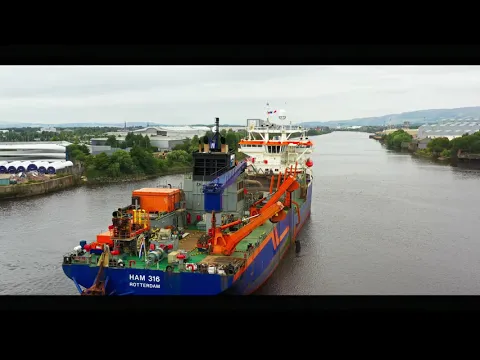
The HAM-316 dredger collects sediments, loads them into its tank, and within a radius of 5 miles, equivalent to 10 kilometers from the access channel’s exit to the complex, the waste is dumped at a point indicated by the environmental authorities as a disposal area (bota-fora), being deposited offshore.
According to the contracted company, about 374 cycles (round trips) have been completed in this dredger campaign. Based on the tank’s density, each cycle involves 5,950 cubic meters collected, totaling a removed amount of 2,217,820 cubic meters, estimating up to 4 million cubic meters to be dredged annually.
Currently, the channel has an average width of 190 meters and about 14 meters in depth. The HAM-316 dredger arrived in November to replace the Dutch Lelystad, and operates daily alongside the NJORD dredger, which injects powerful jets of water into the riverbed, causing sediments to be eliminated along with the current.
Port of Itajaí Renews Dredging Contract For Another 1 Year
According to Fábio da Veiga, superintendent of the Port of Itajaí, Itajaí is the only port in Brazil to conduct permanent dredging since 1999, and is in negotiations to adjust a new addendum to renew the dredging contract for another 12 months with the Dutch company responsible for the suction dredger HAM-316.
In the past, both the Itajaí terminal and the port complex as a whole faced extreme and difficult situations to maintain dredging services. However, today, even with the heavy rains that the region has been experiencing, there have been three major dredging campaigns leading to over three months of uninterrupted services.





Be the first to react!