






 Portuguese
  Spanish


Green Revolution: Mining Drives Circular Economy with Recycling and Reverse Logistics!
Discover How Mining Is Leading a Transformation Towards Sustainability Through Recycling and Reverse Logistics.
The circular economy is gaining momentum as the pressure for sustainable practices grows. At the center of this movement, mining stands out by incorporating methodologies such as recycling and reuse, which are fundamental for a greener future. In 2023, companies around the world are investing in technologies that enable efficient reverse logistics, ensuring valuable materials are reintegrated into the production cycle. This process not only optimizes resources but also drastically reduces waste, solidifying mining as a pillar of sustainability.
Determined to reduce their carbon footprint, leaders in the mining sector are adopting assertive measures to transform traditional practices into innovative approaches. According to recent studies, the extractive industry has already seen a 30% reduction in the use of natural resources due to the implementation of circular economy strategies, including the recycling of precious metals. In September 2023, Swedish giant Boliden announced a partnership with ABB, a leader in electrification solutions, to develop low-carbon zinc solutions, which are essential in a transitioning energy society.
Sustainable Transformation in the Extractive Industry: The Future of Pioneer Mining
With the goal of feeding a more sustainable society, mining is integrating reverse logistics into its daily operations. This system allows for the return of equipment and waste to the production cycle, enabling recovery and recycling to become an integral part of the production process. By 2024, it is expected that more than 65% of mining companies will have implemented this strategy, driving an unprecedented transformation in resource usage while ensuring a proactive response to environmental regulatory demands.
-
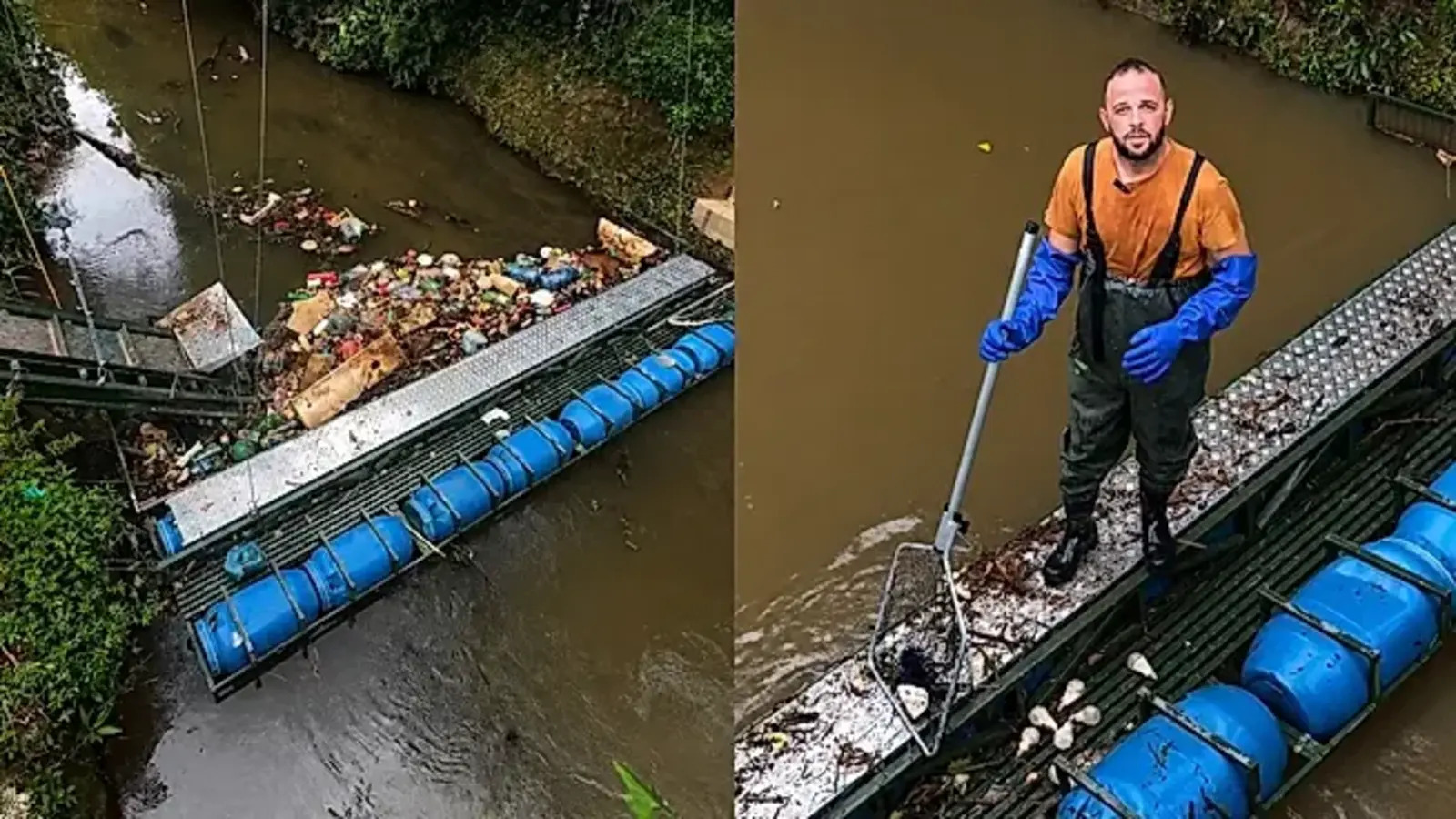
Brazilian promises his children to save a river, creates an eco-barrier in his backyard, has already removed more than 40 tons of trash from the water, and even inspires the idea in other states of the country.

-
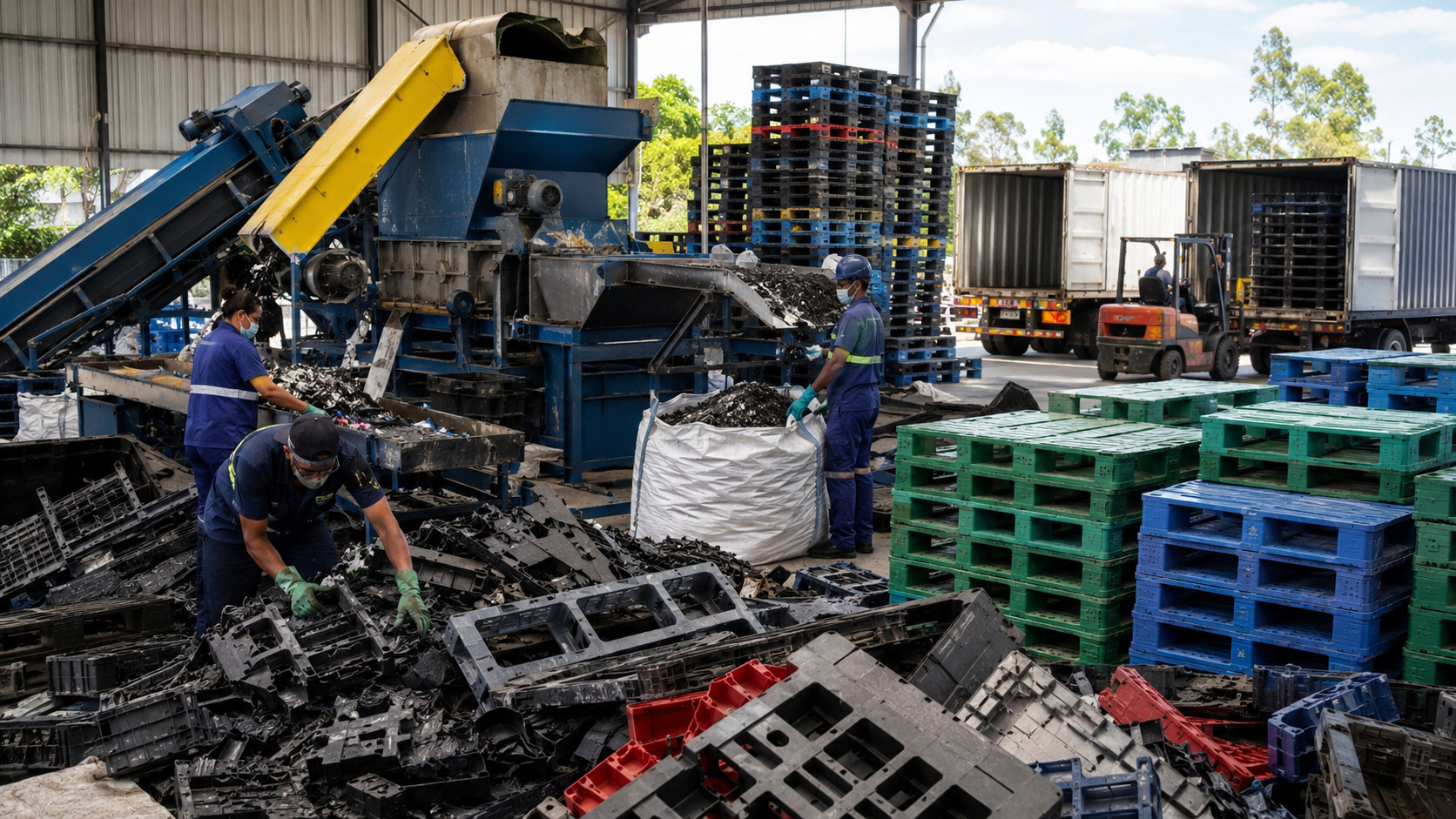
How a Brazilian company created a system that transforms broken pallets of any brand into new assets, recycles 80 tons of plastic per month, and found a profitable solution to a problem that challenges industries across the country.

-
Invasive bullfrog capable of devouring other amphibians and laying up to 20,000 eggs is found in Florianópolis, raising an alert about the threat to native fauna.
-
It looks like a baby, but it’s an adult: meet the Bornean pygmy elephant, the smallest elephant in the world threatened by habitat loss.


Notably, various geopolitical events, such as the Climate Summit held in November 2023, have pressured the industry to accelerate this shift. Large corporations like Glencore and Rio Tinto are already focusing efforts to achieve ambitious zero-carbon targets by 2030. Traditional mineral exploration, once seen as aggressive to the environment, is now being rethought through technological innovations that offer lower environmental impact.
With leaders motivated by ESG trends and digitalization, mining is becoming a engine of innovation that exceeds expectations for sustainable growth. The transition to renewable energies is facilitating a more conscious and balanced expansion, ensuring the sector not only survives but thrives. Starting in 2025, automation along with green practices is expected to constitute the core of a modern efficiency deeply rooted in environmental ethics. Studies’ information is based on recent data from Bloomberg Wood Mackenzie.
Circular Economy in Energy Distribution
The cooperation between technology giants and mining is transforming electrical infrastructure, promoting a true circular and sustainable economy. The Swedish mining and smelting company, together with major partners, is integrating low-carbon zinc into its low-voltage energy distribution systems. This zinc, with a carbon footprint 75% lower than traditional zinc, is revolutionizing the market by increasing the environmental sustainability of electrical solutions. This technological innovation is crucial for a fossil-free society, promoting the recycling and reuse of materials.
Low-carbon zinc not only galvanizes steel structures with corrosion protection for up to 100 years but also maximizes their durability, contributing to environmental sustainability. Collaboration with ABB is crucial in the electrification and optimization of the value chain of Boliden’s operations, which relies on renewable energy to reduce carbon dioxide emissions to just 1.0 kg per kilogram of metal produced, representing a significant reduction compared to the sector average of 3.6 kg. This approach reinforces the importance of reverse logistics and the value of partnerships.
Technological Advances in the Value Chain
The energy distribution solutions from ABB, now galvanized with Boliden’s low-carbon zinc, are visible in mines where zinc ore is extracted. Massimiliano Cifalitti, president of ABB Smart Power, emphasizes: ‘We are committed to helping industries seek greater energy efficiency and sustainability.’ The collaboration with Boliden is an example of the value of partnerships in supporting energy transition and the circular economy, drastically reducing the carbon footprint of their solutions.
Daniel Asplund, Zinc Sales Manager at Boliden, highlights the effort in mining and smelting operations to achieve high productivity with lower climate impact. The partnership demonstrates how both leaders, ABB and Boliden, are electrifying a significant portion of their activities, emphasizing the role of technological innovation in driving efficiency improvements.
Sustainable Investments and Future Initiatives
Having ABB products made with Boliden’s own low-carbon zinc at their facilities symbolizes responsibility within the value chain. ABB aims to cover 80% of its product lines and solutions with its Circularity Approach by 2030. This strategy includes a transition to materials with lower carbon footprints and more sustainable alternatives for its customers, advocating for the circular economy as a core element.
ABB’s Kabeldon distribution cabinets, designed to withstand outdoor environments, ensure that neighborhoods, electric vehicle chargers, renewable energy elements, factories, and global mines remain connected. Now, these devices have Verified Environmental Product Declarations (EPD), highlighting total transparency and commitment to environmental sustainability.
Engineering and Digitalization Connection
Now galvanized and available in low-carbon steel, Kabeldon also contributes to reducing the environmental footprint of energy infrastructures. ABB, a global leader in electrification and automation technology, stands out by enabling a more efficient and sustainable future. By combining its competencies in technological innovation and digitalization, ABB helps the industry operate efficiently, productively, and sustainably, always striving for high performance.
The company prides itself on its 140-year history and its vast team of over 105,000 employees around the world. ABB’s shares are listed on the SIX Swiss Exchange (ABBN) and Nasdaq Stockholm (ABB), reflecting its influence in the global market.
ABB Electrification and Sustainability
As a global leader in technology, ABB Electrification enables efficient and reliable electricity distribution from source to socket. With more than 50,000 employees in 100 countries, ABB collaborates with customers and partners to tackle the biggest challenges in electrical distribution and energy management. In the context of an accelerated energy transition, ABB prioritizes the electrification of the world in a safe, smart, and sustainable manner, promoting the circular economy.
By empowering customers and partners to push boundaries and gain more efficiency, ABB stands out as a role model in the industry, supported by its passion for technological innovation and sustainability. Boliden also shares this vision, striving to be the planet’s most renowned and environmentally responsible supplier.
Commitment to Environmental Sustainability
Boliden positions itself as a leader as a producer of sustainable metals in Europe, guided by values such as care, courage, and responsibility in its activities, which encompass exploration, mining, smelting, and recycling. With approximately 6,000 employees and an annual revenue of around 80 billion Swedish kronor, the company is listed in the Large Cap segment of NASDAQ OMX Stockholm, reflecting its vigor and constant commitment to sustainability and the circular economy. It is through these initiatives that Boliden reaffirms its commitment to environmental sustainability and technological innovation in the sector.
Source: BOLIDEN Press







Be the first to react!