Portuguese
  Spanish


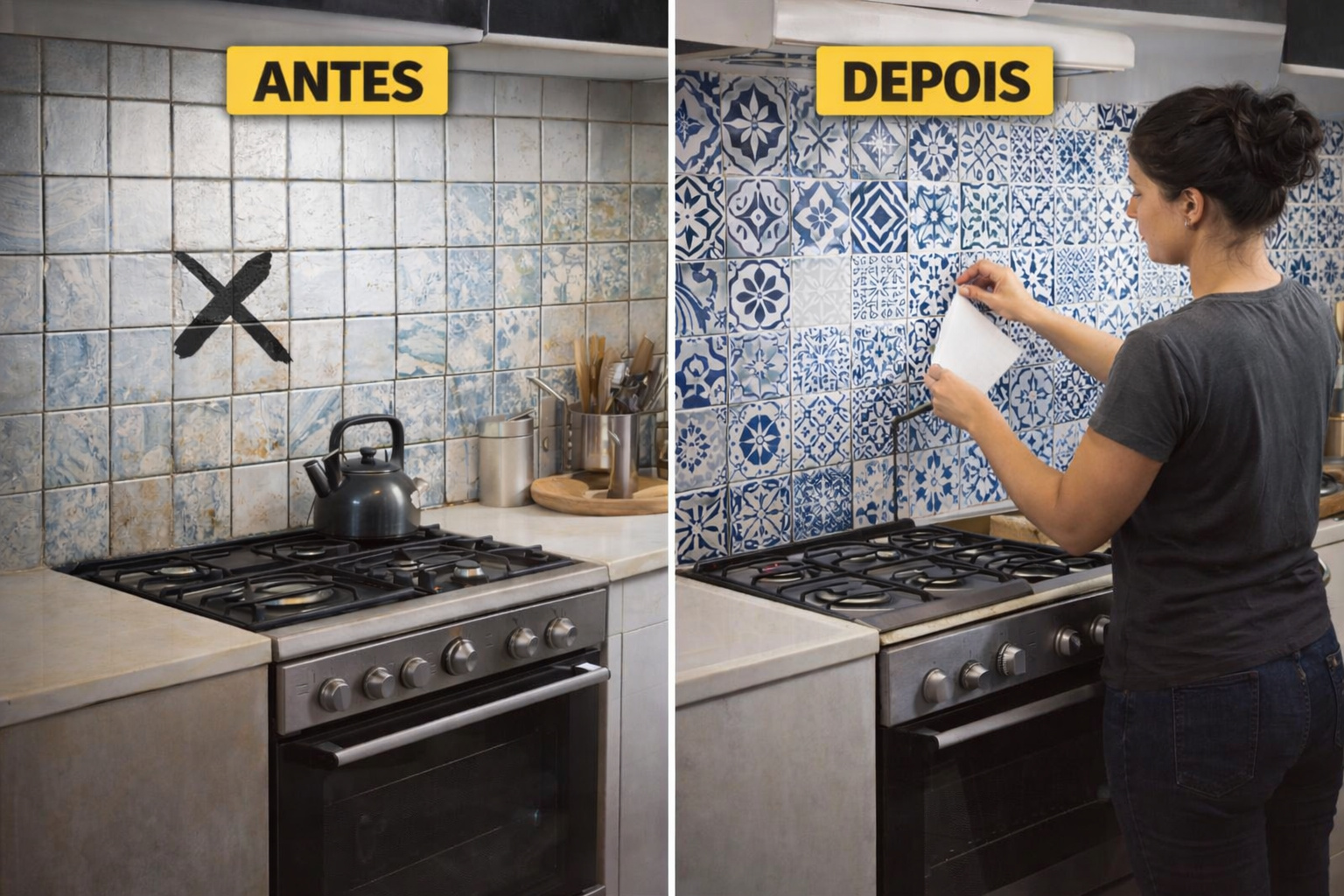


Waterproof Vinyl Adhesive Applied Over Old Tile Allows Renovating Kitchen in 1 Day, With Average Cost of R$ 25 to R$ 40 per m², Without Demolition and With Resistance to Moisture and Grease.
Self-adhesive vinyl coverings, internationally known as peel and stick tiles, have been used as a practical alternative to traditional tile in quick kitchen and bathroom renovations. Made of vinyl PVC with a high-adhesion adhesive layer, these materials can be applied directly over smooth surfaces, including old tiles, as long as they are clean and leveled.
The model described in the article — with an average cost between R$ 25 and R$ 40 per square meter, depending on the brand and thickness — represents a low-investment solution compared to complete ceramic tile replacement.
What Is Waterproof Vinyl Adhesive
The covering consists of:
-
Brazilian Fishing Couple Spends 4 Years Building Solar-Powered Floating Home on the Paraguay River, Now a Navy-Approved Vessel with Leisure Area and Tour Demand

-
While the World Opens New Airports and High-Speed Trains, Brazil Rushes to Complete Projects Stalled for 40 Years
-
Brazil Invests in Massive Waterway to Transport Soybeans by Barge, Reducing Costly Truck Reliance
-
Bridge Rebuilt in Just One Year Reconnects Two Brazilian States


- Decorative Vinyl Surface Layer
- Flexible PVC Base
- Removable Protective Film
- High-Adhesion Acrylic Glue

The application is done by removing the back film and pressing the material against the wall. Because it is waterproof, the adhesive can be used in areas exposed to water splashes and grease, such as walls near the sink or stove.
Direct Application Over Old Tile
One of the system’s differentiators is the possibility of applying it over the existing covering, without the need to break the wall. For this, the surface must:
- Be clean and degreased
- Have good adhesion of the old tiles
- Have leveled grout (in some cases, a thin leveling compound is recommended)
The material adheres better to smooth and dry surfaces. The absence of demolition eliminates debris, dust, and additional costs with heavy labor.
Resistance to Water, Grease, and Heat
Manufacturers indicate that the self-adhesive vinyl is resistant to moisture and can be cleaned with a damp cloth and neutral detergent.
In kitchens, it is commonly used as a backsplash (protective strip behind the sink and stove). The heat resistance is considered moderate — it withstands typical kitchen ambient temperatures — but it should not be applied directly behind an exposed flame without additional protection.
Cost Compared to Traditional Tile
A conventional renovation with tile replacement involves:
- Removal of the old covering
- Disposal of debris
- Purchase of new tiles
- Mortar
- Grout
- Specialized labor
The final cost per square meter can be multiple times higher than that of the vinyl adhesive. In the case of self-adhesive covering, the investment is mainly concentrated on the material and, if necessary, simple tools like a utility knife and ruler.
Execution Time
The installation can be completed in a few hours, depending on the area. In compact kitchens, it is possible to finish the process in a single day, considering surface preparation and application.
The reduced execution time is one of the main factors driving the adoption of this type of solution.
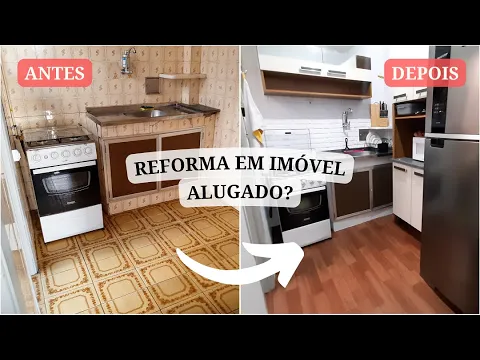
Removal Without Damaging the Wall
Another important point is the possibility of future removal. Quality models allow removal with the application of moderate heat (such as a heat gun), reducing the risk of damage to the original wall.
This makes the system interesting for rented properties or temporary renovations.
Durability and Maintenance
Durability varies according to product quality and usage conditions. In indoor environments, protected from intense direct sunlight exposure, the material can maintain its appearance for several years. Maintenance is simple:
- Cleaning with a damp cloth
- Avoiding abrasives
- Not using aggressive solvents

Technical Limitations
Despite the advantages, there are limitations:
- Does not replace structural covering
- May lift if applied over irregular surfaces
- Requires care in application to avoid bubbles
The final result depends on the quality of the wall preparation and correct application.
Growth of the Self-Adhesive Coverings Market
The vinyl coverings market has grown in recent years driven by:
- Quick Renovations
- Search for Cost Reduction
- DIY Trend (Do It Yourself)
- Rented Homes
Similar products are marketed in Brazil and abroad, with variations in thickness, texture, and aesthetic pattern.
Applications Beyond the Kitchen
Besides the kitchen, waterproof vinyl adhesive is used in:
- Bathrooms (dry walls)
- Lavatories
- Service Areas
- Laundry Rooms
The aesthetic versatility includes patterns that imitate:
- Hydraulic Tile
- White Subway Tile
- Marble
- Wood
- Concrete
The waterproof vinyl adhesive applied directly over old tile represents a practical and cost-effective alternative for kitchen renovation.
With an average cost between R$ 25 and R$ 40 per square meter, quick application, and resistance to moisture and grease, the system allows a significant visual transformation without the need for demolition.
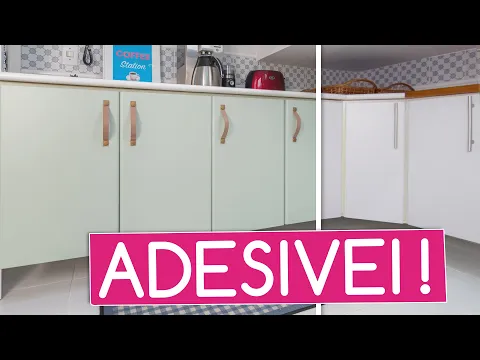
The solution does not replace structural renovations, but efficiently meets proposals for aesthetic and functional renewal in a short time, as long as applied according to technical recommendations.
The adoption of the covering depends on the conditions of the existing surface and the usage pattern of the environment, but its wide availability in the market shows consolidation as a viable alternative to traditional tile.