Portuguese
  Spanish


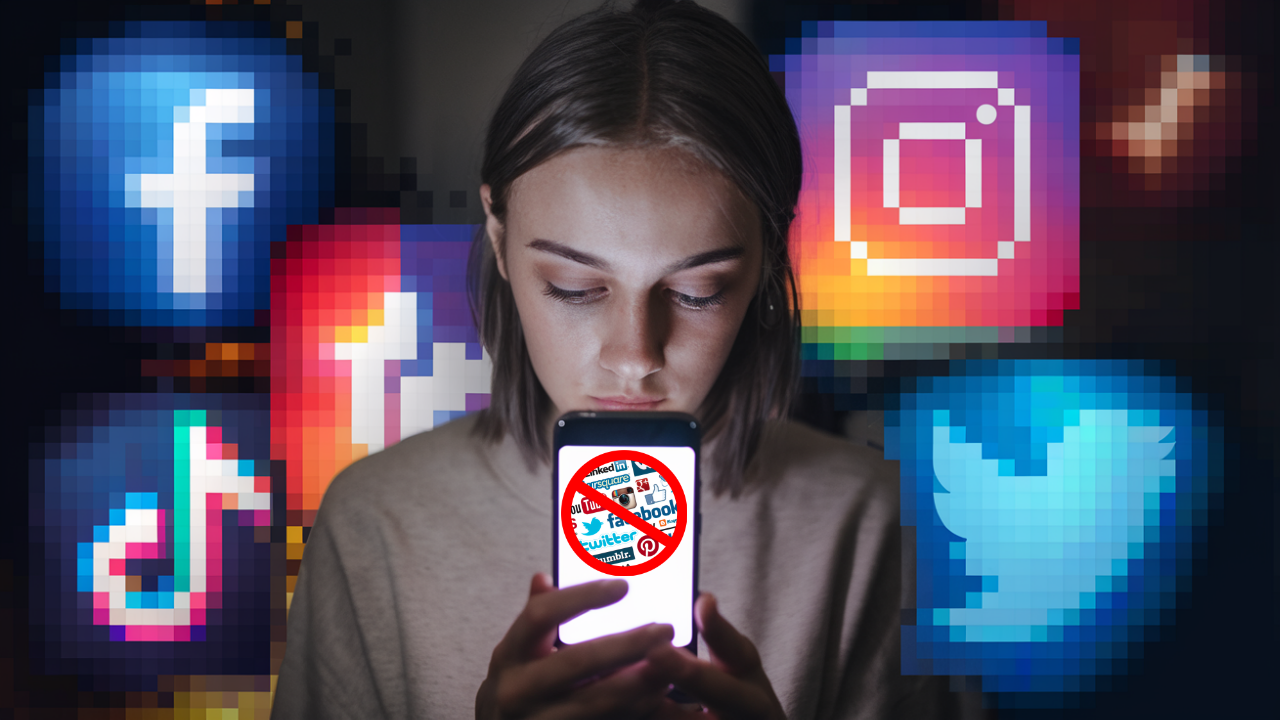

Goodbye Social Media? New Bill Approved, Bans Social Media for Those Under 16!
The House approved, with a wide majority of 102 votes to 13, a new bill that prohibits the use of social media by those under 16. The measure, which still needs to be debated by the Australian Senate, promises to be one of the strictest regulations in the world regarding the control of digital platforms.
Companies like Google, TikTok, Meta (owner of Facebook), and Elon Musk’s X have been pressuring to delay implementation, arguing the need for technical adjustments.
Senate to Decide Future of the Proposal
The Australian Senate will analyze the bill this Wednesday (27), with Prime Minister Anthony Albanese’s government seeking approval before the end of parliamentary activities the following day. Albanese, who is trying to improve his popularity ahead of the May elections, argues that excessive use of social media jeopardizes the mental and physical health of young people. The initiative already has bipartisan support in the House but faces resistance from smaller groups in the Senate.
-
Antarctic Sea Creature Yields Promising Compound Against Melanoma, Captivating U.S. Researchers

-
Underwater Guardian: The Autonomous Robot Monitoring Submarine Cables, Self-Returning, Wirelessly Charging, and Transmitting Data Without Onboard Crew

-
Robots Clean Solar Panels in Desert Power Plants Without Water, Preventing Energy Losses
-
AI Radar Built with Old Camera and $20 Gains Attention After Alleged $317,000 Sale to Chinese Government, But Lack of Documentation and Official Confirmation Raises Questions




Million-Dollar Fines and Age Verification Systems
If approved, the bill will require social media platforms to implement effective age verification systems, including technologies such as biometrics or government identification. Companies that violate the rules could face fines of up to AU$49.5 million (equivalent to US$32 million). Despite this, a Senate committee recommended that platforms avoid requiring sensitive information, such as passports, to protect users’ privacy.
Debate on New Bill Divides Opinions Among Families and Experts
The announcement of the measure came after a series of parliamentary inquiries that heard testimonies from parents about the devastating effects of cyberbullying, including cases of self-harm among young people. Although the proposal has strong public support – 77% of Australians are in favor, according to a YouGov poll – critics raise concerns about freedom of expression and social impact.
Parent groups argue that those under 16 lack the maturity to navigate the digital world without proper supervision. On the other hand, youth rights advocates assert that the ban could limit important social and family connections. Students like 16-year-old Enie Lam emphasize that restricting access does not solve the underlying problem. “I understand that excessive use is bad, but a ban is not the solution,” the young woman stated.
Tech Companies and Human Rights Advocates Press Against the Bill
Tech giants like Google and Meta are calling for the law to be delayed until the age verification system is tested, expected by mid-2025. TikTok has also requested more consultations before any final decision, while Elon Musk’s X labeled the proposal as a potential violation of the human rights of children and teenagers.
The Australian Human Rights Commission has also opposed the measure, stating that it undermines young people’s freedom of self-expression and restricts their participation in society. Despite this, the government argues that the benefits for public health outweigh the concerns raised.
Bipartisan Support Ensures Progress, but with Reservations
Although the government has secured support from the conservative opposition, it has failed to win over the Greens and some right-wing lawmakers, who highlight issues related to privacy and civil liberties. Two conservative senators declared they would vote against it, arguing that approval should await the results of age verification tests. Even a House Representative broke from his party in a rare episode of political disagreement and voted against the bill.
“Let Them Be Kids” Campaign Gains Momentum Among Families
Public pressure in favor of the ban has increased with support from parent advocacy groups and media outlets. The “Let Them Be Kids” campaign, led by News Corp, Australia’s largest newspaper publisher, helped popularize the measure. Jenny Branch-Allen, president of the Australian Parents Council, emphasized the need to hold large tech companies accountable: “It’s time to address the issues related to social media that affect our children.”
The approval of the bill not only reflects local concerns but could also influence global debates on the regulation of digital platforms. The Senate’s decision will be crucial in determining the next steps in the fight for the protection of youth in the digital age.
What do you think of this measure adopted in Australia? Would you like a similar law to be enacted in Brazil, banning social media for those under 16? How would you react if that happened here? Leave your opinion in the comments!