






 Portuguese
  Spanish


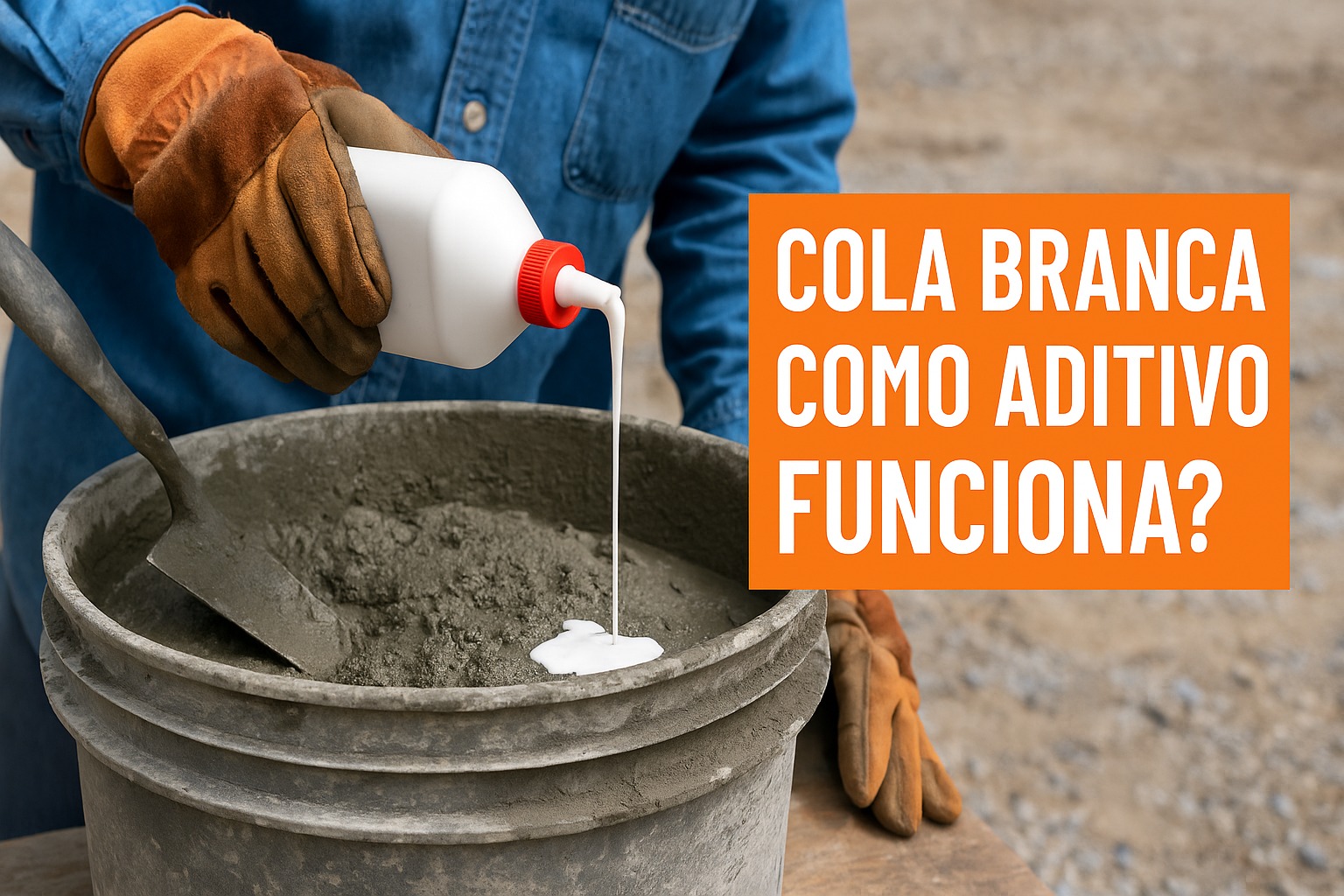


The Growing Adoption of PVA in Cement Mixtures Occurs Because the Additive Improves Adhesion, Reduces Cracks, Increases Durability, and Facilitates Applications at Different Stages of the Construction
The interest in white glue has grown because many professionals have realized that this simple additive improves performance of cement mixtures. The solution contains polymers that bond to the cement and help form a more even base. The result is seen in practice with more reliable structures.
This understanding has changed the way many view mortars.
How PVA Works in the Mixture
The functioning of PVA draws attention because it creates a sort of bridge between the components of the mixture.
-
Dairy Farm Prevents Manure Lagoon Overflow with High-Powered Tractors and Industrial Pumps, Turning 100,000 Gallons of Waste into Fertilizer

-
Masked Man Claims to Have Traveled to 2118, Predicts World War Starting with North Korea and Reveals Secret CIA Technology

-
At 54, Brazilian Artisan Turns Textile Waste into a Successful Handbag Brand, Earning Over $6,000 Monthly

-
Brazilian Entrepreneur Sells $50,000 Monthly in Sustainable Luggage Made from Recycled Bottles, Eyes International Market


This bond favors internal cohesion and reduces common failures. Additionally, there is greater control of moisture during curing, which decreases subsequent defects. This direct action helps with final durability.
Benefits Observed in the Use of the Additive
Among the highlighted points is the improvement in adhesion, which becomes evident when the mortar or concrete comes into contact with the surface.
This feature reduces the risk of detachments. Therefore, the applied material gains stability and maintains the expected performance.
Another important gain comes in impermeability. The mixture absorbs less water and better resists humid environments, which reduces infiltrations.
The additional protection helps prevent problems that could occur over time. Mechanical resistance also stands out with PVA.
The presence of the additive enhances performance under tension, compression, and impact forces. These advances result in sturdier structures.
Moreover, the consistent behavior of the material benefits projects that require greater stability.
The ease of application stands out because the mixture becomes softer and more practical. This contributes to more uniform finishes. The smoothness reduces failures and helps create leveled surfaces.
The reduction of cracks is also a crucial point.
Recommended Dosages for Each Use of White Glue (PVA)
The definition of the correct amount of PVA makes a difference in the final result because each type of mortar requires a specific proportion.
In coatings, the recommendation is between eight and fifteen percent of the mass of cement. In adhesive mortars, the value usually varies from six to ten percent.
In screed mortars, the recommendation ranges from four to eight percent. For laying mortars, the recommended range is between six and twelve percent.
In grout and repair mortars, the partial replacement of water can reach thirty percent.
These guidelines help avoid errors on the job site.
Conclusion About the Impact of PVA
The use of PVA demonstrates efficiency because it improves different properties of the material, from adhesion to chemical resistance.
Versatility appears in residential, commercial, and industrial projects. Therefore, those seeking higher quality find the additive an accessible ally.
Understanding these points facilitates the work of those who need to decide on the correct application. The explanation provided by engineer David Araújo Bastos clarifies the topic simply.
Moreover, it reinforces the importance of seeking solutions that enhance the performance of constructions.
Application and Necessary Care with White Glue (PVA)
The correct use of PVA depends on observing the manufacturer’s guidelines, as already indicated in the base material.
Monitoring curing also requires attention because water retention influences the formation of the final structure and avoids failures that arise without proper control. This care ensures a safer job site.
Practice shows that the interaction between cement, aggregates, and PVA creates predictable behavior on the worksite. This pattern facilitates quick decisions.
Additionally, it helps the professional adjust the mixture as needed without compromising overall quality. Standardization reduces waste in the process.
Repaired surfaces also benefit from the additive, as adhesion between layers receives significant reinforcement. This is evident in situations of structural renovation.
Therefore, the modified mortar creates a more favorable environment for interventions that require firm and durable bonding. Enhanced adhesion prevents frequent rework.
Industrial environments, where aggressive agents circulate, highlight the gains provided by the chemical resistance mentioned in the base material.
Protection against acids and salts becomes relevant. Furthermore, this behavior contributes to the continuity of operations without unexpected interruptions. This shows the utility of the additive.
The choice of PVA occurs because it offers benefits without increasing the complexity of the project. The application remains simple, and adjusting the dosage is straightforward.
Therefore, the solution fits into different situations, maintaining the efficiency needed to deliver a good result. PVA remains efficient. This resource improves various current processes.
With information from 99depot.






Título contém desinformação. Arrumem. Argamassa é diferente do concreto. A mistura é utilizada na argamassa de acabamento,para pisos e reboco. Não deve ser utilizado no assentamento de tijolos e blocos. NÃO PODE SER ADICIONADO NO CONCRETO UTILIZADO NA ESTRUTURA DAS VIGAS. NÃO PODE SER UTILIZADO NO CONCRETO DO PISO. Apenas acabamento do contra piso.
Sabe muito. Acredita em Internet kkk