Portuguese
  Spanish


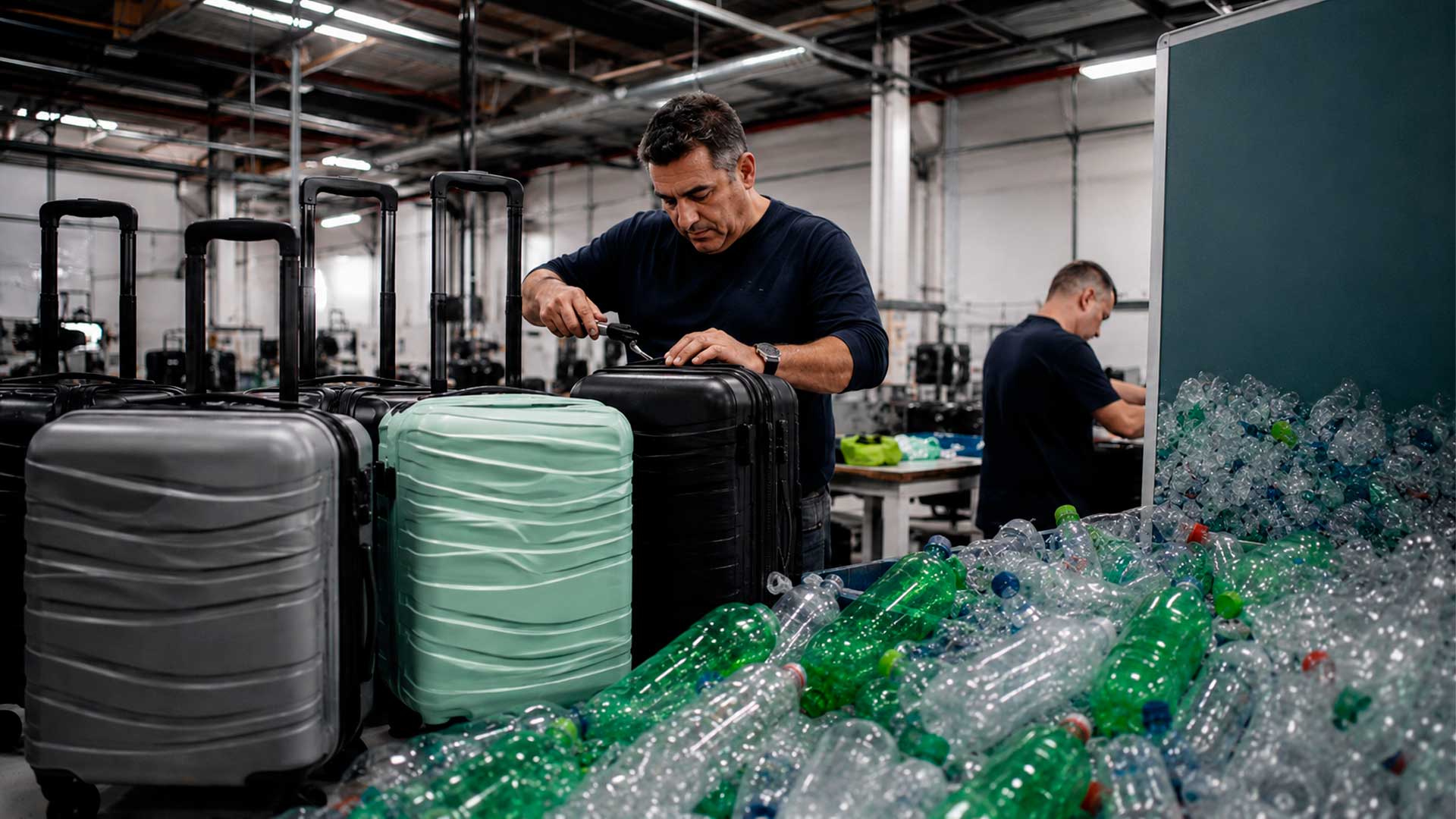

Brazilian company shifted from luggage maintenance to selling suitcases, backpacks, and shoulder bags made from recycled plastic. The idea gained momentum after the drop in travel during the pandemic, became a licensed product of Team Brazil, and entered the export route to markets where sustainability and customization weigh in the purchase decision
A factory in Guarulhos, Greater São Paulo, found in recycled PET bottles a way to transform a luggage repair business into a sustainable products operation. The company managed to earn R$ 250,000 per month with suitcases, backpacks, and bags made from reused plastic.
The information was shown by the program Small Companies & Big Business, in a report about a factory that uses recycled PET bottles in the production of luggage and had plans to triple revenue with exports to Europe and the United States.
Behind the story is Kameleon Bags, a brand linked to the WBS Group. Before manufacturing its own pieces, the group had been operating for more than ten years with luggage repair, including services related to the baggage flow of airlines.
-
Chinese Man Transforms Home into 10-Story Pyramid Over 8 Years, Defying Authorities Before Demolition

-
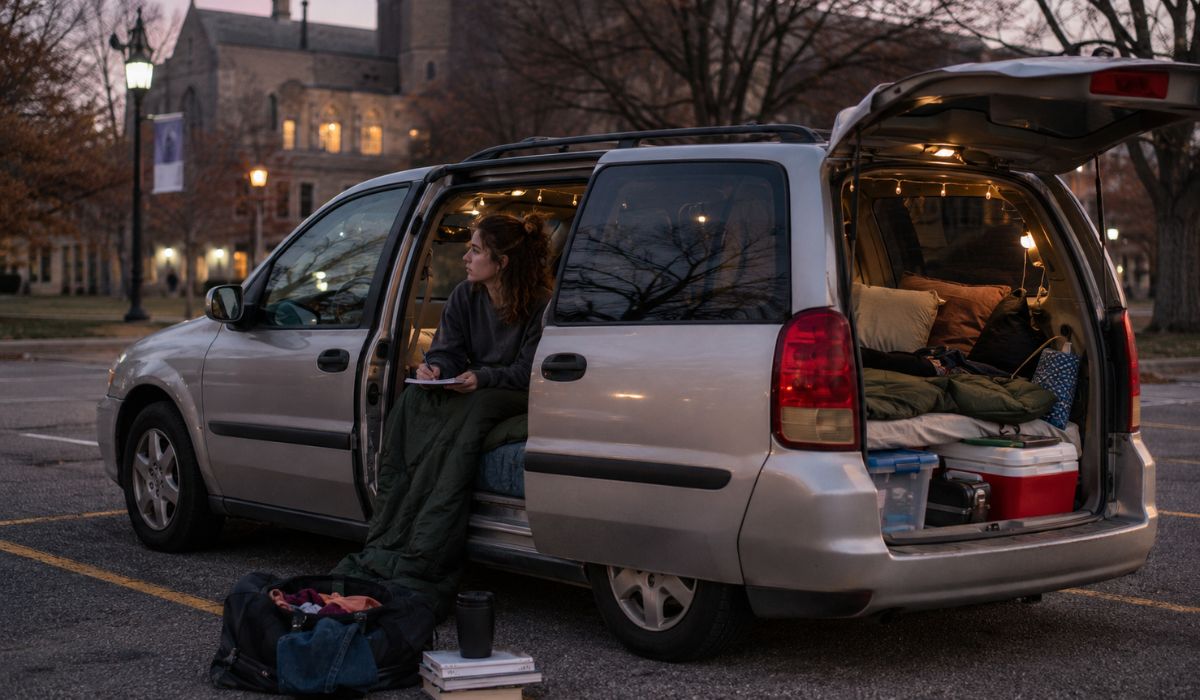
Faced with College Costs, Brazilian Student Lived in a Minivan for Nearly Two Years to Graduate Debt-Free
-
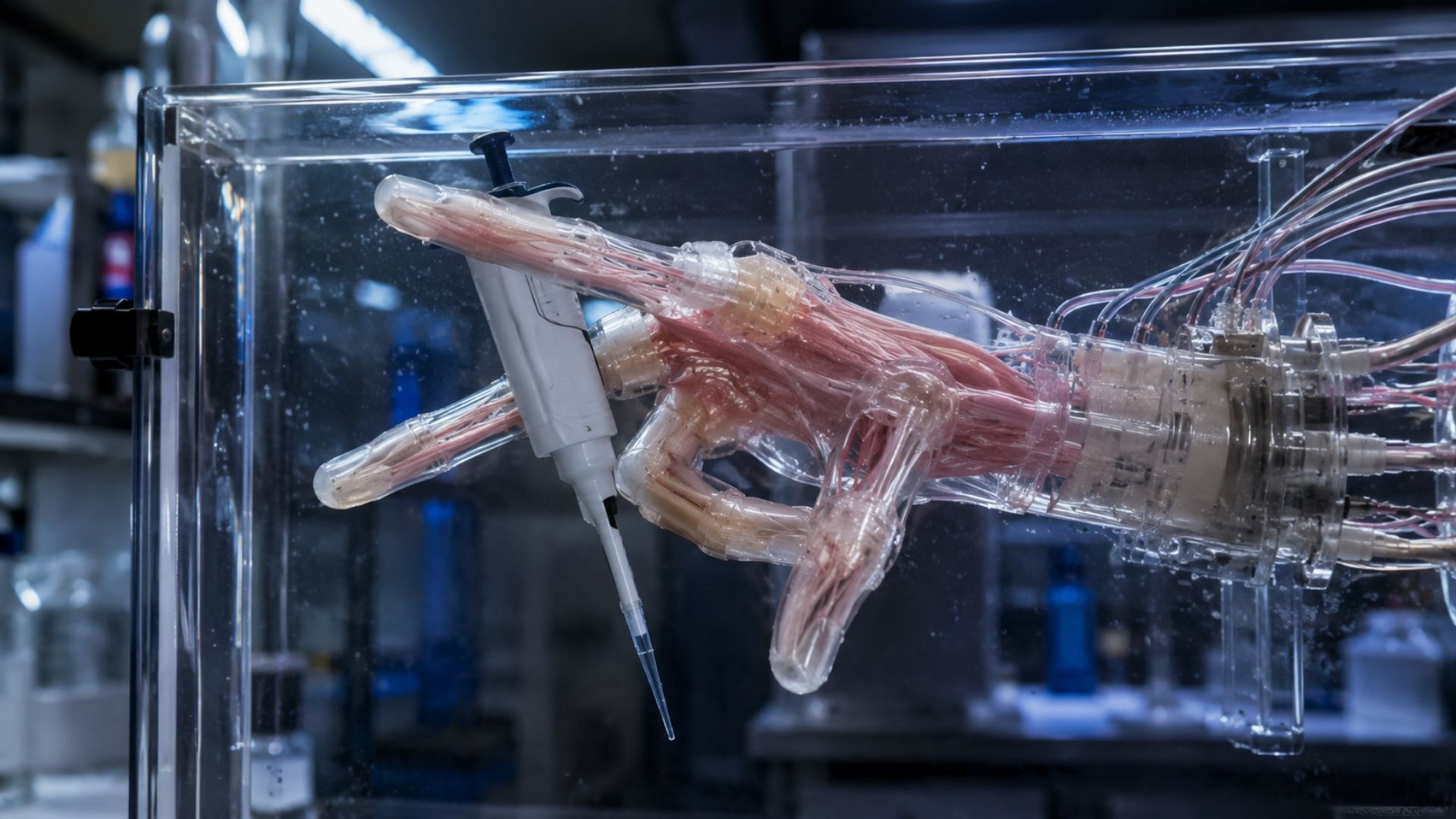
Tokyo Scientists Create First 18cm Biohybrid Hand Using Human Muscle, Capable of Scissor Gesture and Holding a Pipette

-
Brazil Faces Norway in World Cup at Stadium Linked to Jimmy Hoffa’s Mysterious Disappearance



The business took a different direction when the partners started using sheets produced from post-consumer PET. In practice, the discarded bottle enters the recycling chain, becomes industrial raw material, and returns to the market as part of a personalized suitcase.
The turning point came when the workshop stopped just repairing luggage


The pandemic hit the travel sector and affected companies that depended on the movement in airports, bus stations, and airlines. It was during this period that Kameleon accelerated a project that had been on hold, focusing on suitcases, backpacks, and shoulder bags made from recycled material.
According to UOL Ecoa, partners Luciano Pereira, Marco Pereira, and Fábio Carleto brought the idea out of the drawer when luggage repair lost momentum. The plastic used in the products came from cooperatives, through partners from São Paulo and the South of the country, and arrived at the factory in sheets molded by a machine developed by the company itself.
The change was not just aesthetic. The proposal was to offer a durable, customizable suitcase with a visible environmental argument for the consumer. This point helped the company sell the product to both individuals and companies interested in gifts, promotional actions, and branded items.
Each carry-on suitcase reuses dozens of PET bottles
The number that helps explain the product’s appeal lies in the amount of plastic reused. To make a carry-on suitcase, Kameleon uses the equivalent of 32 two-liter PET bottles or 48 500 ml bottles, according to data released by the Brazilian Olympic Committee when announcing licensed products of Team Brazil in June 2021.
The same logic applies to other items. A small shoulder bag reuses 12 500 ml bottles, while a backpack can use the equivalent of 24 small bottles. The impact of each piece seems small when viewed in isolation, but it gains scale when production exceeds hundreds of units per month.
Recycled PET does not replace all parts of the suitcase. Wheels, handles, straps, dividers, zippers, and internal structures still require other materials. Even so, the use of post-consumer plastic in the coating and panels reduces the dependence on virgin raw materials in a significant part of the product.
This type of application also helps to give a destination to a material that already has a structured chain in Brazil. According to ABIPET, the country recycled 410 thousand tons of PET packaging in 2024, a volume 14.2% higher than the previous survey. The census also indicates that 53% of the packaging discarded by consumers returned to the market after recycling.
Team Brazil gave national exposure to sustainable suitcases
Kameleon gained exposure when it entered the line of licensed products of Team Brazil. The COB launched the collection in 2021, in the cycle of the Tokyo Olympic Games, including carry-on suitcases and shoulder bags made with recycled PET.
The partnership helped place the brand in a high-visibility environment. Instead of just selling an ecological suitcase, the company began to associate the product with Olympic sports, customization, and consumption with a lower environmental impact.
At the time, the COB reported that the sale of licensed products generated royalties for the entity. For a small company, this type of licensing acts as a showcase, but also requires delivery, standardization, quality control, and production capacity.
The suitcase became mobile media for companies that want to appear outside the internet
Kameleon’s model did not remain confined to common retail. In recent years, the brand started selling the personalized suitcase as a kind of physical media. The piece circulates in airports, hotels, events, fairs, corporate trips, and promotional campaigns.
In April 2026, during WTM Latin America, CEO Luiz Fernando told Mercado & Eventos that the company mainly serves the corporate market and sees the suitcase as a “marketing solution.” Among the clients mentioned were cosmetics companies like Natura, O Boticário, Avon, L’Oréal, and Garnier.
This strategy changes the business logic. The suitcase stops competing only on price with imported shelf products and starts competing for marketing, events, and customer relationship budgets.
For companies, the advantage lies in utility. A common gift may end up in a drawer. A personalized suitcase or backpack tends to circulate longer, carrying the brand in high-traffic locations.
Exporting to Europe and the United States depends on price, scale, and environmental proof
The original report indicated that the company expected to triple its revenue with exports to Europe and the United States. The interest makes sense because these markets have consumers and companies more attentive to recycled products, traceability, and environmental communication.
But exporting does not depend solely on a good story. The company needs to deal with freight costs, taxes, certifications, quality standards, warranty, assistance, and competition with global luggage brands. It also needs to prove that the material used truly comes from post-consumer recycling.
The exchange rate can help Brazilian companies at times, especially when the product reaches abroad with a competitive price. At the same time, any delivery, finishing, or documentation failure can weigh more in markets where the consumer expects clear warranty and agile after-sales service.
The case shows a real path for small Brazilian industries. Recycling, personalization, and useful product form a stronger combination than selling sustainability as a discourse. The PET bottle alone does not create value. The value appears when it becomes a resistant, beautiful, sellable item with concrete demand.
Would you buy a suitcase made with recycled PET bottles if it had good finishing, resistance, and competitive price? Leave your opinion in the comments and tell us if sustainability weighs in your purchase decision or if price still speaks louder.