Portuguese
  Spanish


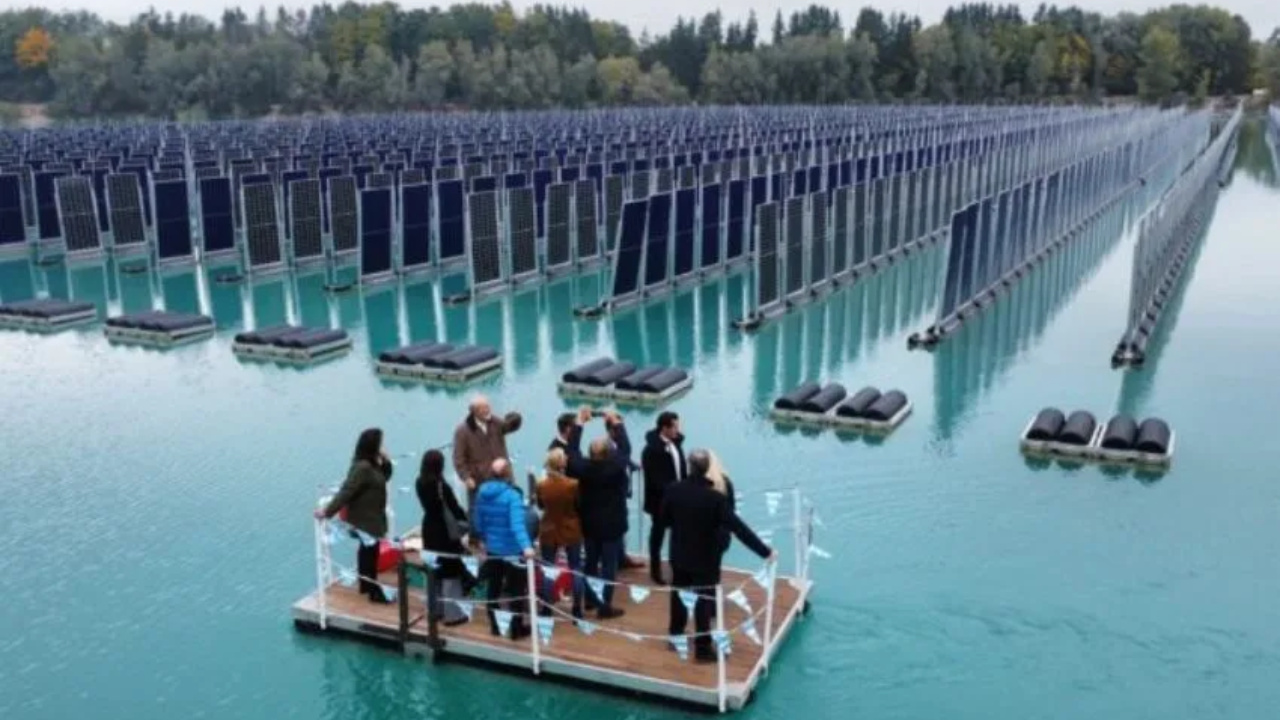

Germany Took A Historic Step In The Energy Transition With The Inauguration Of The World’s First Vertical Floating Solar Plant, Created By SINN Power In Bavaria. The Innovative Project Combines Efficiency, Sustainability And Smart Use Of Water Resources.
Germany inaugurated one of the most innovative initiatives in the renewable energy sector: the world’s first vertical floating solar plant. The project, developed by the company SINN Power, is installed in the gravel quarry of Jais, located in the Starnberg region of Bavaria.
With a capacity of 1.87 megawatts (MW), the structure covers only 4.65% of the lake’s surface, respecting local environmental limits and ensuring harmony between technology and nature. The forecast is that the system will generate about 2 gigawatt-hours (GWh) of clean energy per year, enough to supply hundreds of households in the region.
Smart System Guarantees Efficiency And Stability In Energy Generation
The technology employed in the solar plant is based on the patented SKipp system, which positions the modules vertically, orienting them from east to west. This innovative shape ensures a continuous generation of electricity throughout the day, optimizing solar light capture and reducing energy losses.
-
Brazil’s Vitória Airport to Launch Solar Plant Covering Area of 10 Soccer Fields, Boosting Clean Energy and Cutting Costs

-
Switzerland Converts Train Tracks into Solar Power Plants with Removable Panels to Generate Energy Without Using Additional Land
-
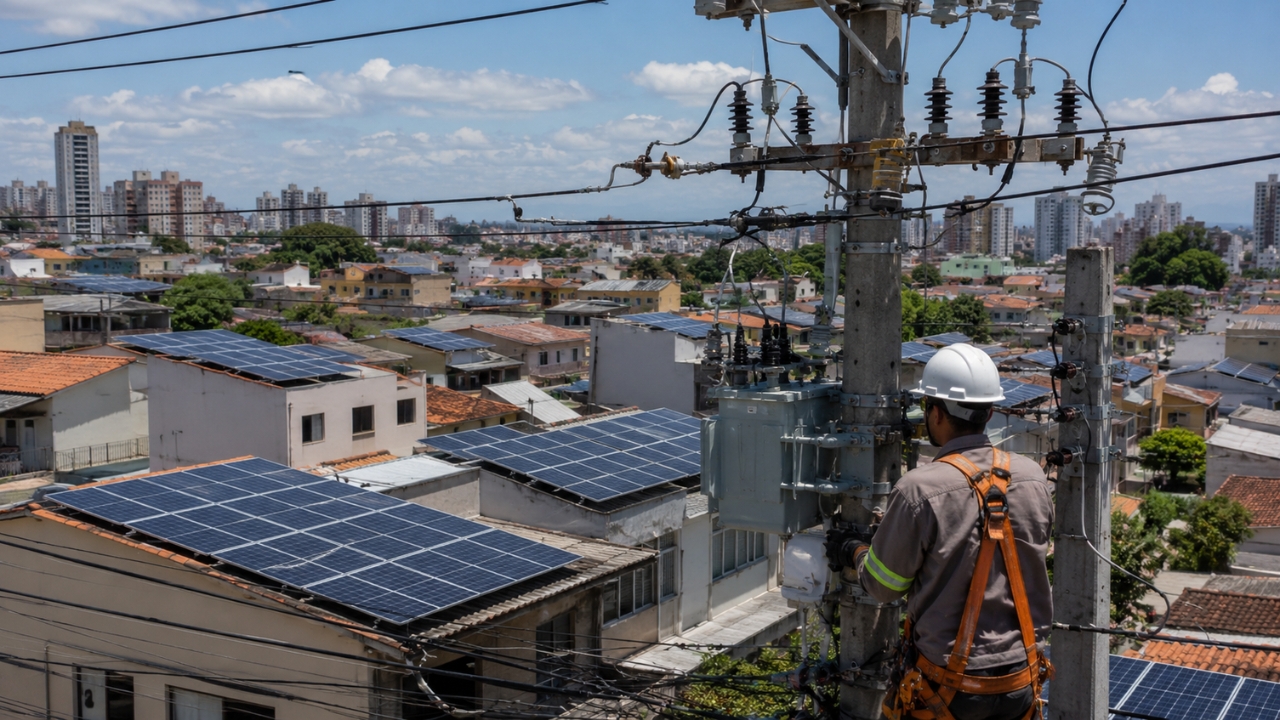
Surge in Solar-Powered Homes in Brazil Leads to Grid Strain and Connection Restrictions in Three States

-
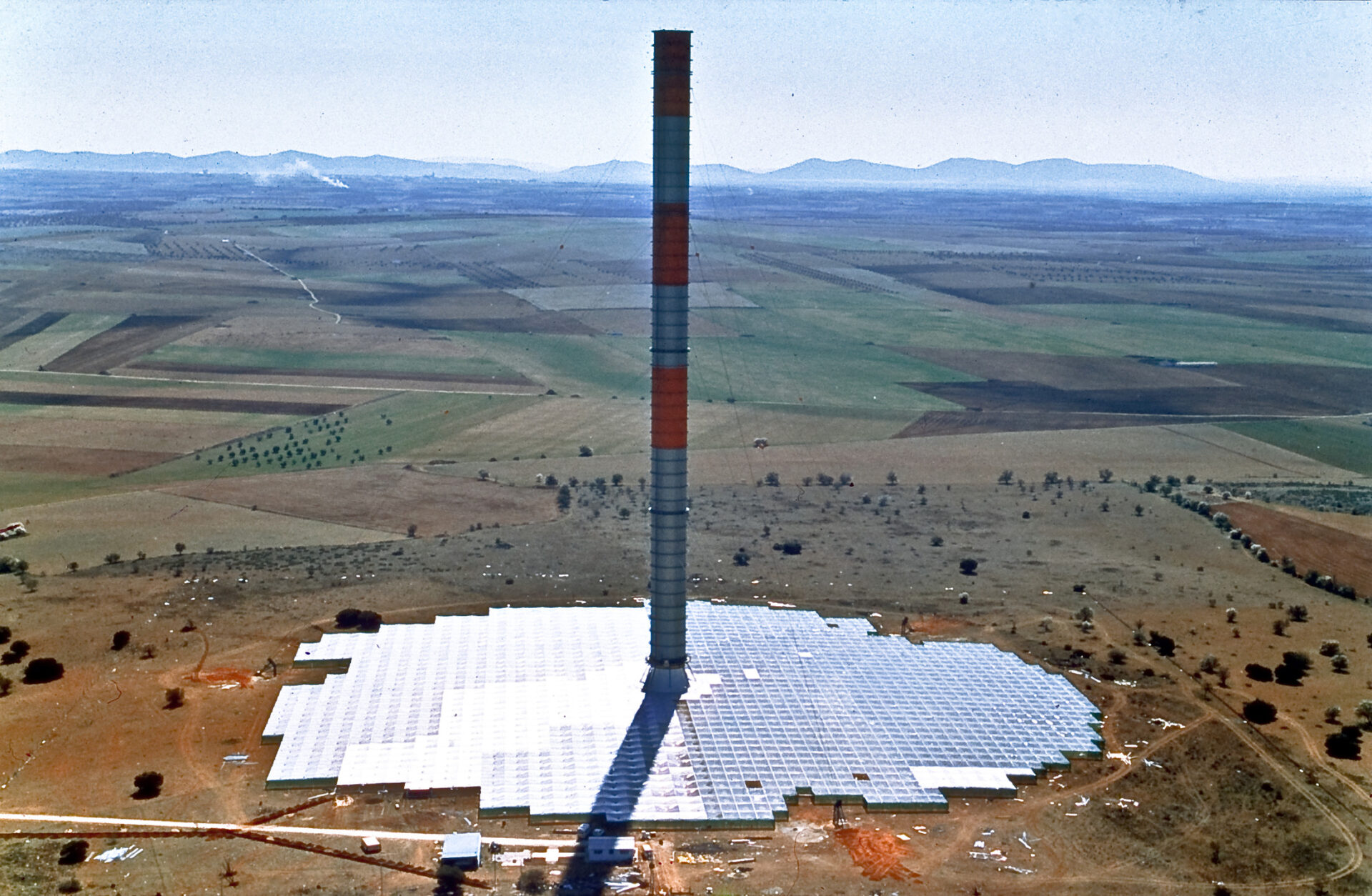
Solar Chimney in Spain Harnessed Sun to Generate Electricity for 7 Years Without Burning Fuel

According to SINN Power, the plant has already reduced local grid consumption by nearly 60%, and the expectation is to reach up to 70% once operations are fully stabilized. This efficiency reinforces the potential of the technology as a sustainable and scalable alternative for the future of photovoltaic generation.
The structure also features a fin-shaped substructure that keeps the panels fixed and allows for controlled movements in strong winds and changes in water levels. Additionally, the system connects to the power grid via a floating cable, the land feeding point of which was designed in compliance with the German Federal Water Resources Act, which limits the use of up to 15% of the surface of lakes.
Sustainable Project Receives Political Support And Prepares For New Expansion Phase
The project was officially presented with the support of Bavaria’s Vice Minister-President, Hubert Aiwanger, gathering representatives from the political and energy sectors. The event reinforced the regional government’s commitment to clean and innovative solutions to reduce dependence on fossil fuels.
SINN Power is already planning the second phase of the floating solar plant, with additional capacity of 1.7 MW. Even with the expansion, the total coverage of the lake will remain below 10%, preserving the environmental sustainability of the area.
According to the company, the system was designed to be modular and scalable, allowing for adaptation to offshore applications, that is, in open seas. This possibility expands the technology’s potential for large-scale generation, utilizing available water space without compromising the ecosystem.
With the launch of the new vertical floating solar plant, Germany once again demonstrates its global leadership in green technologies. The initiative combines cutting-edge engineering, energy efficiency, and environmental responsibility, paving the way for other European countries to adopt similar systems.
The SINN Power project symbolizes a significant step in the search for sustainable solutions that combine innovation and environmental preservation—a model that could transform the solar energy landscape worldwide.