Portuguese
  Spanish


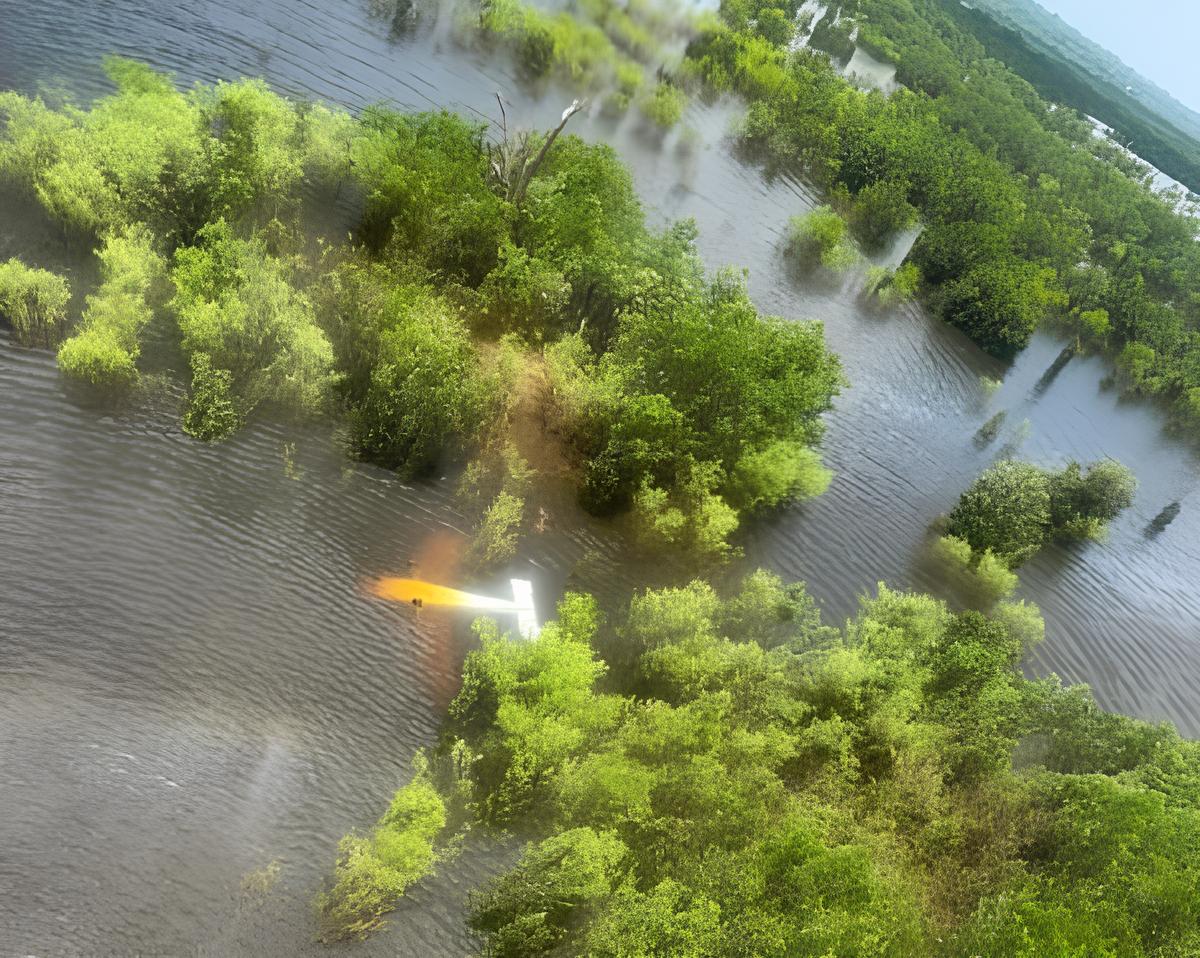


FAB Intercepts Hostile Aircraft Coming From Peru In Joint Action With The Federal Police, Reinforcing Sovereignty And Combating Illegal Activities In The Airspace.
On the morning of September 22, 2025, the Brazilian Air Force (FAB) carried out another airspace defense action that reinforces the importance of constant vigilance over the Amazon. A suspicious aircraft, originating from Peru, was detected by the air monitoring system and was intercepted by FAB fighter jets, in an operation conducted by the Aerospace Operations Command (COMAE) with support from the Federal Police (PF).
The action is part of a permanent strategy for protecting the Amazon border against transnational illegal activities, which include drug trafficking, smuggling, and other illegal activities that utilize air routes.
How The Interception Worked
As soon as the suspicious aircraft was identified by the SISDABRA (Brazilian Aerospace Defense System) radars, the defense protocol was activated. An A-29 Super Tucano fighter, adapted for air policing missions, took off and established visual contact with the intrusive plane.
-
China Unveils Laser Weapon Capable of Instantly Neutralizing Military Drones, Marking a Significant Advancement in Air Defense Technology

-
U.S. Navy’s Ticonderoga-class Cruiser Becomes a 9,800-Ton Missile Fortress with Advanced Aegis System Capable of Tracking Hundreds of Targets

-
France’s Charles de Gaulle: The Sole Nuclear-Powered Aircraft Carrier Outside the US, Weighing 42,500 Tons and Equipped with Two Atomic Reactors

-
The military spaceplane that almost took the Cold War into orbit: Boeing X-20 Dyna-Soar was designed to re-enter above Mach 20, fly for up to 40 hours, land like a plane, and transform Titan rockets into a gateway to a new era of orbital warfare.




The procedure followed international standards and Brazilian legislation:
- The intercepting aircraft issued visual and radio commands, in Portuguese and Spanish, for the pilot to follow the instructions.
- The goal was to guide the aircraft to a safe runway designated by the authorities.
- Subsequently, the Federal Police took over the case on land, to verify the situation of the pilot and the cargo being transported.
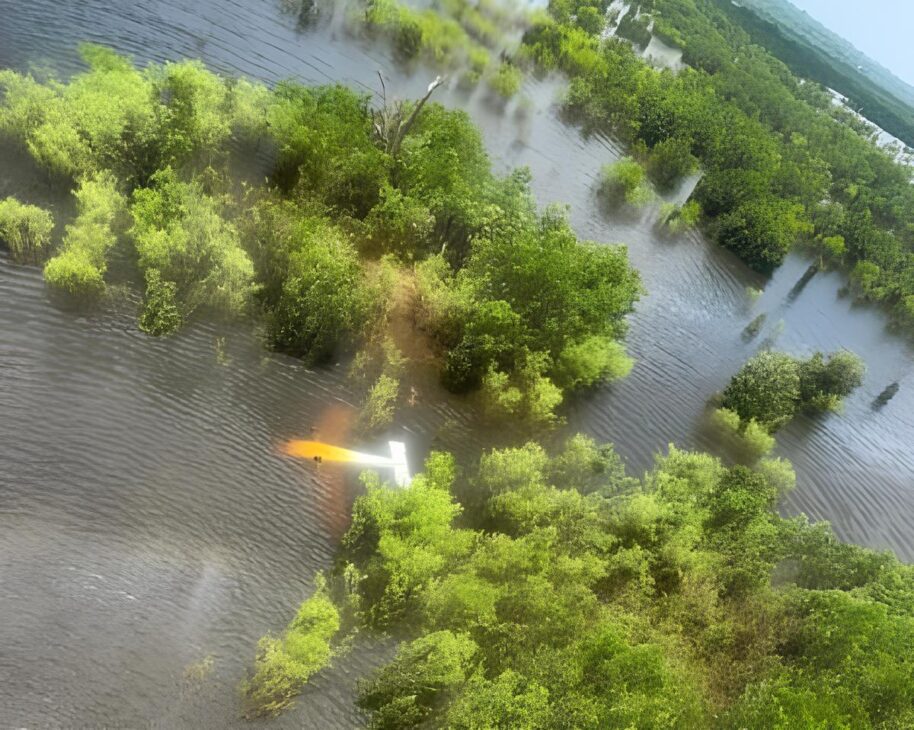
This type of operation is part of the implementation of the so-called Law of Shootdowns, which provides for gradual measures for aircraft considered hostile or linked to illegal activities when they disobey air defense orders.
Amazon: Strategic And Vulnerable Border
The interception reinforces the importance of the Amazon as a critical border for Brazil. The region is characterized by a vast jungle area, low population density, and open borders with several countries, making it an attractive corridor for transnational criminal networks.
Ensuring air sovereignty in this space means protecting not only public safety but also controlling strategic trade routes and the integrity of national territory.
Integrated Action of FAB and Federal Police
The episode once again shows the integration between FAB and PF. While the Air Force is responsible for identifying, intercepting, and neutralizing threats in the air, the Federal Police steps in to investigate the case’s connections, assess the cargo of the aircraft, and initiate legal proceedings against any illegal activities.
This cooperation strengthens Brazil’s ability to not only intercept suspicious aircraft but also weaken the criminal networks that utilize airspace.
Sovereignty And Deterrence
The operation is more than just a one-time action: it is a message of sovereignty. By intercepting a suspicious foreign aircraft, Brazil shows that it maintains constant vigilance and is prepared to act quickly against any threat.
In a global scenario where organized crime operates transnationally, deterrence becomes a key element: showing that the airspace is protected is as important as shooting down or seizing hostile aircraft.
The episode of September 22, 2025, is another example of how Brazil has utilized technology, military readiness, and integration with security agencies to ensure sovereignty over the Blue and Green Amazon.
The skies in the region remain monitored day and night, and the message sent by the Brazilian government is clear: any hostile aircraft attempting to cross the borders will be identified, intercepted, and submitted to national authorities.