






 Portuguese
  Spanish
  2 min of reading
  0 comments


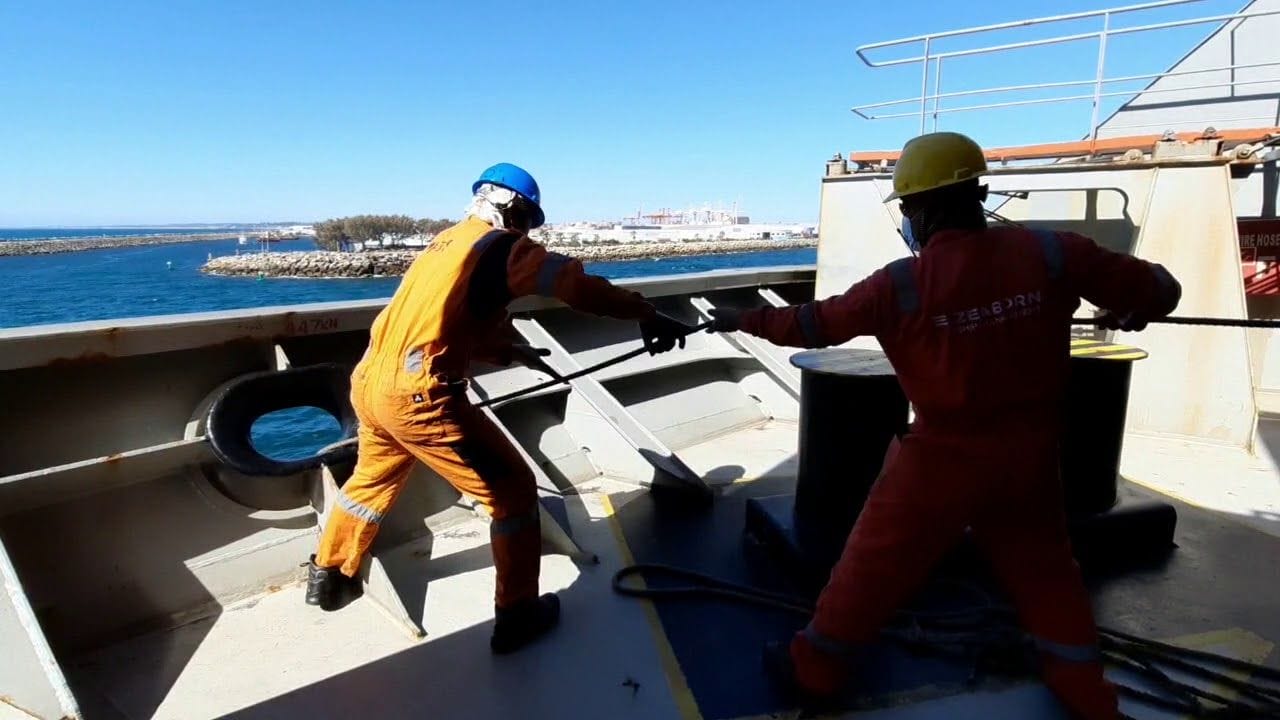
Exploring the Ship Mooring Process, This News Details the Crucial Mooring Operation, Highlighting the Skills Required from Teams, the Importance of Advanced Technology, and How Innovations Such as Vacuum Mooring Are Transforming Port Practices for Greater Efficiency and Safety.
When a ship arrives at the port, the meticulous mooring process begins, essential for keeping it stable and secure. This operation, performed by highly trained teams, involves advanced technologies and traditional practices to ensure the vessel remains fixed, avoiding any unwanted movement.
Mooring is a critical operation for maritime safety, involving high-strength cables made of steel or synthetic fibers, which are meticulously secured to the dock. The complexity of the process is proportional to the size of the vessel, requiring a specialized team capable of handling the cables under variable and sometimes adverse conditions.
Technology and Innovation in Mooring, Tying Ships in Ports
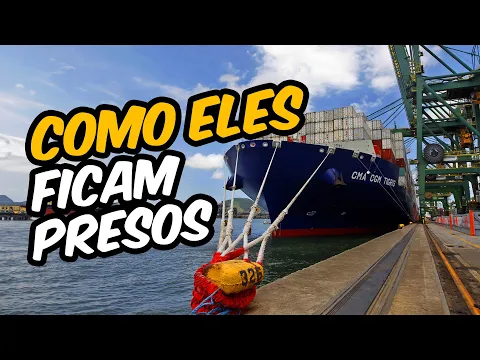

In the current scenario, modern mooring systems, such as automated dynamic positioning, are revolutionizing the maritime industry. These systems use sensors and thrusters to keep the ship stabilized, reducing the need for physical mooring and increasing efficiency in challenging weather conditions.
-
Without a mansion, without high investment, and without a traditional classroom, a teacher living in a 22 m² house taught students to build a 9 m² studio apartment with the equivalent of R$10,000.

-
Without her own home and pressured by rent, a 25-year-old bought a small 15-meter boat, gradually renovated the interior by herself, transformed the interior with paint, new flooring, a larger bathroom, and started living on the canals, paying much less per month.
-
Long before sustainable construction became a trend, China built earthen fortresses with multiple floors, a central courtyard, and the capacity to house up to 800 people living in a community.
-
He got tired of renting, bought an old school bus, removed the seats, modified the roof, reinforced everything with steel, and created a two-story mobile home that looks small on the outside but houses two bedrooms inside.




Innovation continues with the development of systems like vacuum mooring, which promises quick and safe securing in just 30 seconds. These advancements not only optimize the mooring process but also ensure greater safety for crews and port facilities. Ship mooring is an art that combines skill, precision, and technology, essential for the safe and efficient operation of maritime ports.
The Mooring Master is vital in mooring operations, particularly during cargo transfer at sea. This professional ensures the safe and efficient execution of the approach, mooring, and unmooring of ships. Their expertise encompasses everything from technical knowledge of ship maneuvering to advanced skills in communication and decision-making in high-pressure scenarios.


Be the first to react!