





 Portuguese
  English
  Spanish
  4 min of reading
  0 comments


Present In Almost Every Construction, The Scaffolding Is A Temporary Structure That Allows Access To Elevated Areas And Provides Safe Support For Construction Workers. It Is Used In Renovations, Installations, Painting, And Maintenance, Being Indispensable To Ensure Efficiency And Safety In High Work. There Are Different Types Of Scaffolding, Adaptable To The Needs Of Each Project.
In The Day-To-Day Of A Construction Site, One Of The Most Common – And Indispensable – Elements Is The Scaffolding. Present In Almost Every Civil Construction, It Is Essential To Ensure That Workers Can Perform Tasks At Heights Safely And Efficiently.
Its Function Goes Beyond Being Just A Support Structure. It Is A Strategic Tool That Facilitates Access, Accelerates The Work, And Helps Reduce Risks.
What Is Scaffolding?
Scaffolding Is A Modular Temporary Structure Used In Civil Works. Normally, It Is Made With Prefabricated Metal Parts And Can Be Easily Assembled And Disassembled.
-
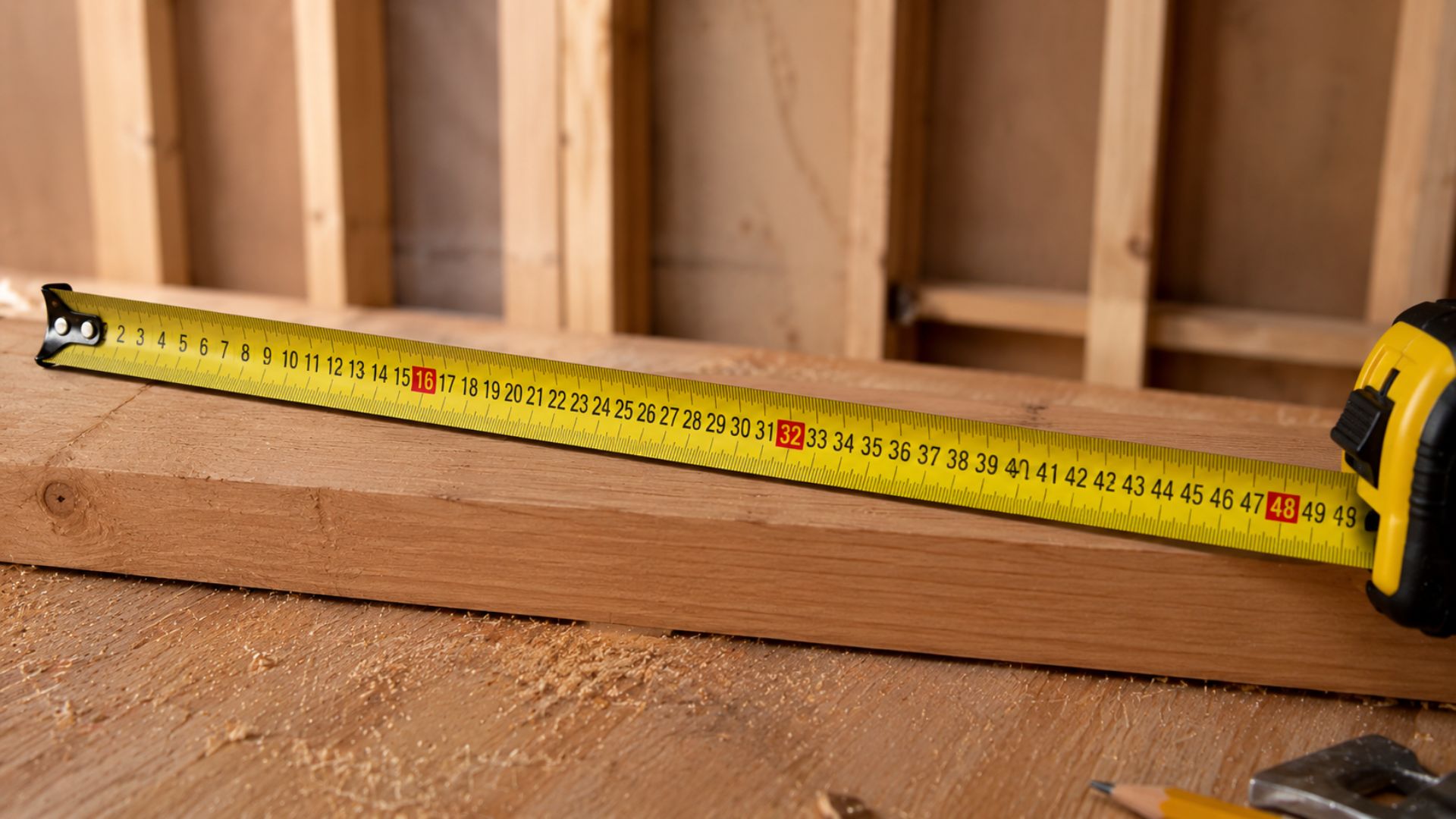
Most people use a tape measure their whole lives without ever understanding why some numbers are painted red; the explanation lies in a 16-inch spacing that is invaluable for those who work with walls and wood.

-
How much does it cost to build a 60 m² house? A real construction project in Minas Gerais revealed a cost of R$ 156,570, which was below the CUB estimate and showed how a compact project with 2 bedrooms can be affordable.

-
Dissatisfied with seeing the construction industry rely on increasingly expensive and polluting materials, students from Paraná used orange peel in mortar, caught attention in an innovation challenge, and can now turn the project into a product with tests at UTFPR.
-
How to properly build a brick wall, starting with measuring the area, choosing materials, preparing the mortar, aligning with nylon string, and finishing with lime, putty, and paint.



Thanks To Its Various Connections, It Allows Different Assembly Shapes, Adapting To The Type Of Service And The Height Required.
For Safety Reasons, It Is Essential To Consider The Weight That Will Be Supported And The Height At Which The Work Will Be Carried Out.
Why Rent Scaffolding?
Many Construction Companies Prefer To Rent Scaffolding Instead Of Buying It. The Reason? The Advantages Are Many: Technical Support, Personalized Assistance, Certified Quality, Safety Guarantees, Absence Of Repair And Maintenance Costs, In Addition To Savings On Transportation And Storage.
There Is Also No Depreciation Of Tools, Which Makes Renting A More Practical And Cost-Effective Option For Many Projects.
Functions And Applications
The Main Objective Of Scaffolding Is To Provide Safe Access To Elevated Areas Of A Construction Site.
It Is Used In Tasks Such As Building Walls, Internal And External Plastering, Painting, Applying Coatings, And Installing Various Items Such As Ceilings, Electrical Networks, Plumbing, And Fire Protection Systems.
Additionally, It Serves As A Base To Temporarily Store Tools And Light Materials During Work.
Know The Parts Of Scaffolding
Scaffolding Is Composed Of Different Parts, Each With A Specific Function:
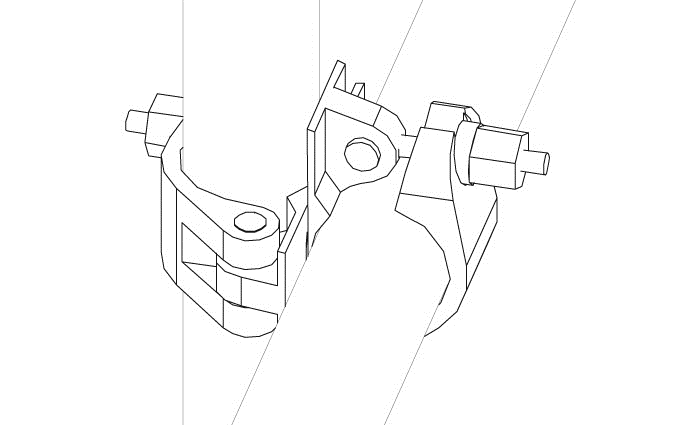
Joints: Connect Two Pipes At Various Angles. They Can Be Fixed Or Rotating.
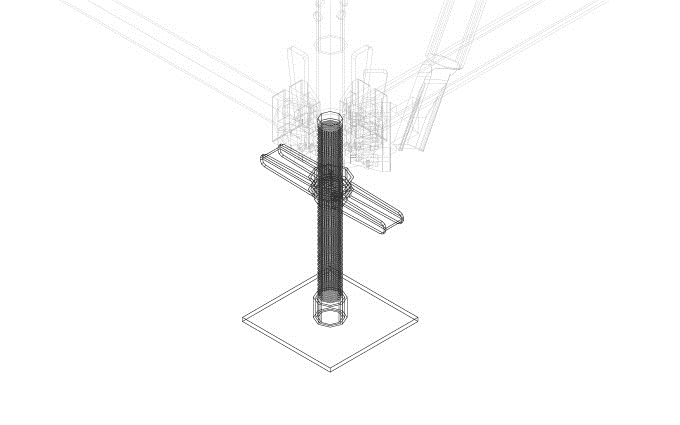
Support Bases: Support The Entire Structure. They Can Be Fixed Or Mobile, With Wheels.
Vertical Supports: Keep The Structure Upright And May Include Ladders Or Support Points.
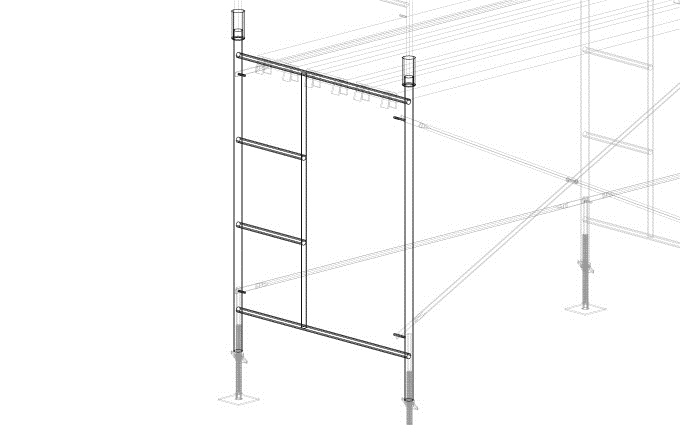
Horizontal And Diagonal Supports: Connect The Vertical Elements, Ensuring Stability.
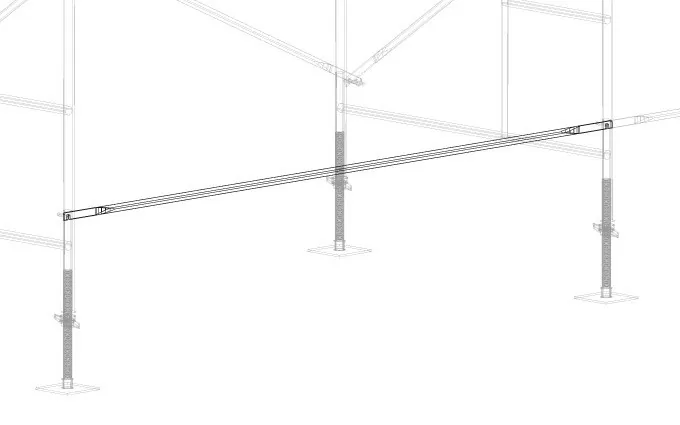
Ladders: Installed Between Modules, Facilitate Access To Different Levels.
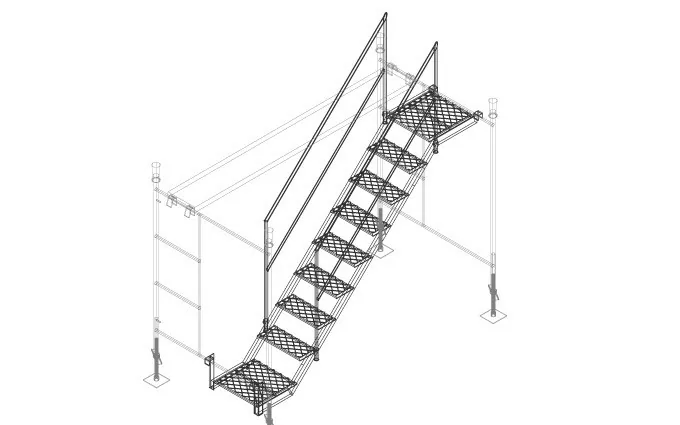
- Platforms Or Decks: Where The Worker Performs The Service. They Have A Non-Slip Surface.
- Screen Supports: Protect Against The Falling Of Tools And Other Objects.
- Pre-Assembly Head: Allows The Installation Of Guardrails At The Top.
- Standard Pipe: Versatile, Can Be Used In Various Functions In The Assembly.
Some Scaffolding Also Features Gates, Structures That Create Safe Passages For Pedestrians In Busy Areas.
Usage Recommendations
To Ensure Safety When Using Scaffolding, Some Precautions Are Indispensable:
- Have Qualified And Trained Personnel For The Assembly And Use Of Equipment.
- Check If The Components Have Manufacturer Certification.
- Instruct The Team On The Specific Care For Each Type Of Work.
- Count On The Support Of A Safety Professional On The Construction Site, Able To Identify Risks And Propose Solutions.
Types And Classifications
Scaffolding Can Be Classified In Different Ways, According To Technical Standards Or According To The Activity:
- Service Load: Weight That The Structure Needs To Support.
- Usability: According To The Type Of Task To Be Done.
- Manufacturing Material: Such As Steel, Aluminum, Or Others.
- Type Of Support: Fixed, Mobile, Or Combined.
- Project And Extra Features: Such As Integrated Ladders, Casters, Or Protection Systems.
Advantages For The Construction Site And The Worker
Among The Main Benefits Of Scaffolding Systems Are:
- Fast And Practical Assembly.
- Safety And Comfort During Task Execution.
- Efficient Access To High Locations.
- Reduction Of Accident Risks.
- Technical Support Offered By Companies Specializing In Rental.
With A Well-Constructed Scaffolding System, The Construction Gains Agility And Safety. And, With The Support Of Specialized Services, Such As Rental With Technical Assistance, The Builder Can Focus On What Really Matters: Delivering A Job Well Done, On Time And Safely For Everyone Involved.
With Information From IngeCivil.








Be the first to react!