Portuguese
  Spanish


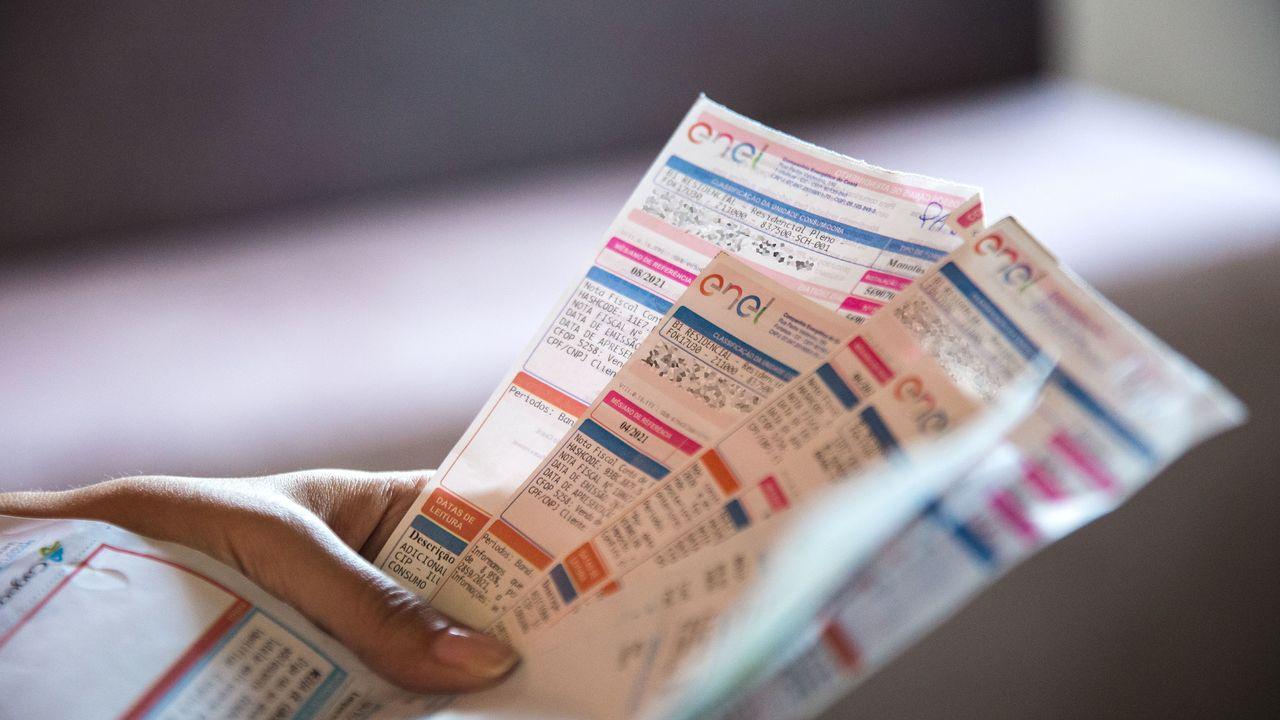

After Approval of a New Loan Greater than R$10 Billion by Aneel for the Electric Sector, the Estimate is That the Electricity Bill Will Come to Brazilians at a Higher Value Next Year
After the National Electric Energy Agency (Aneel) approved a bank loan for the electric sector this Tuesday (15), it is confirmed that the electricity bill will see an increase next year. The loan will be used to cover the costs of the energy crisis that occurred last year, and the amount will be repaid in two installments. The funds will be raised alongside private and public banks.
Read Other Related News
- ANEEL Approves the First Large-Scale Battery Energy Storage Project for the Brazilian Transmission System
- Increase in Electricity Bill: Amount Charged Will Be More Expensive in 2023 to Cover Water Crisis, Says Aneel
- After the Renovable Energy Auction from ANEEL, Solar Energy Should Attract R$ 11.1 Billion in Projects to Build New Ventures
- Amid the Water Crisis, Hydroelectric Plants Are Wasting Water While Brazilians Pay High Electricity Bills; Aneel Asks ONS to Reduce the Use of Plants in Various Brazilian States
- Renewable Energy: Aneel Projects Doubling of Investments in Wind and Solar Energy in Brazil for 2022
Aneel’s Loan for the Electric Sector, Understand Where the Money Will Go


A portion of the loan will be up to 5.3 billion in cash and was regulated this Tuesday. This first part will be allocated to cover the negative balance of the tariff flags that did not manage to collect enough (R$ 540 million), the postponement of charges by distributors (R$ 2.33 billion), the amount of bonuses paid to consumers who saved on their electricity bills at the end of last year (R$ 1.68 billion), and the importation of energy that occurred between July and August of last year (R$ 790 million).
The second part, which will amount to R$ 5.2 billion, will be allocated to cover the costs of emergency energy contracting that occurred in the simplified auction last year and with a supply request starting on May 1. However, the second part of Aneel’s loan will still be evaluated and will undergo a public consultation that will be scheduled.
-
Brazil to Issue “Panda Bonds” in China, Aiming to Raise Up to 5 Billion Yuan at Lower Interest Rates Than Dollar Debt
-
NATO Faces Internal Tensions as U.S. Pushes for Increased Defense Spending, Targeting 5% of GDP by 2035, with Warnings for Countries Near 2% Level

-
Brazil to Introduce B16 Diesel with Increased Soybean Oil Content for Trucks by 2026
-
Brazil’s July Bolsa Família Payments May Include Extra $150 and $50 for Families with Children, Pregnant Women, and Updated CadÚnico Registration


The final date for financing and the interest rate will be defined alongside the banks that will lend the money. Aneel’s projection is that the loan for the electric sector will be approved by the first half of April.
Amount Will Be Directed to Distributors
The amount will be directed to the electricity distributor as they function as the cash flow of the electric sector; that is, they collect the amounts from consumers through the electricity bill and pay the transmitters and energy generators.
A decree and a provisional measure issued by the Federal Government provided legal support for the new loan to the electric sector. Only the regulation was left to Aneel’s responsibility.
The loan will reduce the payment of additional costs generated by the water crisis of last year, that is, it will prevent the value from concentrating in this year’s electricity bills in the annual tariff adjustments of the distributors. Although it allows for the installment of this value starting next year, the loan implies the charging of interest, which means that consumers will have to pay a higher amount through the electricity bill at its conclusion.
The measure also aims to ensure the economic and financial balance of electricity distributors, which claim to “bear the costs” of the additional measures adopted during the water scarcity situation.
“The costs to face the water crisis increased significantly in the second half [of 2021], opening a gap between the expenses that distributors had to face this crisis and the tariff coverage, even with the tariff flag,” stated Ricardo Brandão, regulatory director of the Brazilian Association of Electricity Distributors (Abradee).
How to Save on Your Electricity Bill?
Although electricity bills may reach a higher value next year, energy saving is always welcome, even if it seems impossible. Therefore, we have gathered some tips to help you on this mission.
- Use LED or fluorescent bulbs, which consume much less energy;
- Turn off the lights whenever you leave a room;
- Turn off other electronics when not in use;
- Avoid the stand-by mode of appliances;
- Wait to accumulate laundry to use the iron or washing machine.