Portuguese
  Spanish


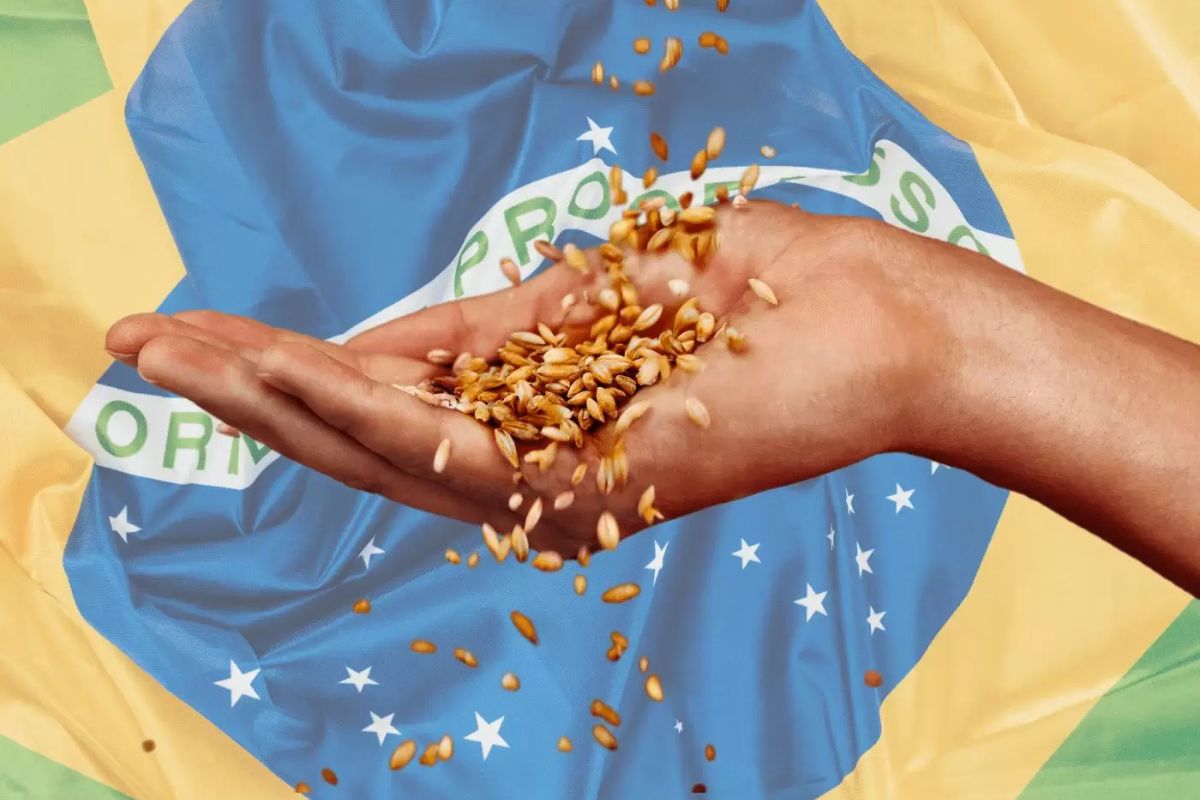

New Ranking Reveals Which Municipalities Concentrate The Largest Agricultural Productions In The Country And Move Billions Of Reais Per Year
The Brazilian agribusiness continues to expand and now has updated numbers to demonstrate its regional strength. According to data released by the Ministry of Agriculture, based on the annual research by IBGE, the ranking of the 100 leading cities in the sector shows an absolute dominance of municipalities in the Midwest and a significant growth in the production of grains and fibers across the country.
Among the more than 5,500 evaluated cities, Sorriso, Campo Novo do Parecis, and Sapezal in Mato Grosso stand out, along with Rio Verde in Goiás and São Desidério in Bahia. These cities concentrate vast planting areas and lead the production of soybeans, corn, and cotton, supporting a significant portion of the national revenue in agriculture.
Midwest Dominates Brazilian Agribusiness
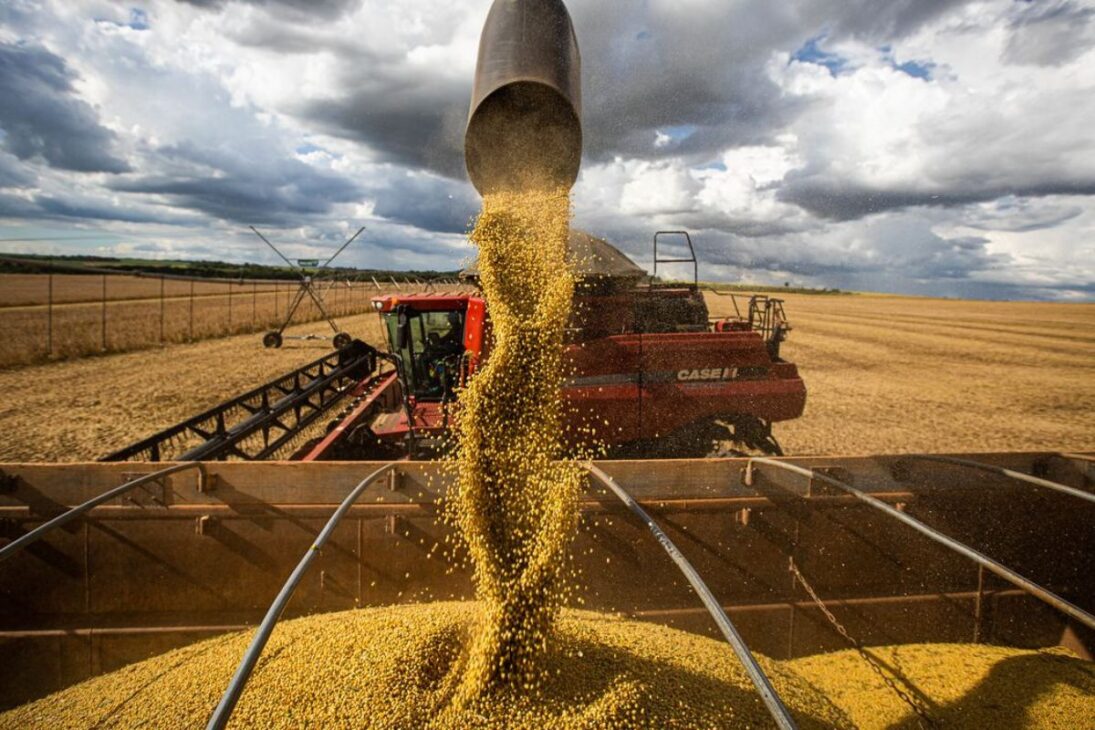
According to the survey, the municipalities leading the Brazilian agribusiness are responsible for 263.8 million tons of agricultural production, over an area of 90.4 million hectares. The 100 most powerful cities alone account for 34% of the national cultivated area and generate R$ 288 billion, or more than a third of the total value of Brazilian crops.
-
Brazilian Farmers with Basic Education Create Backyard Machines That Win National Invention Contest, Beating 242 Projects

-
Brazilian Farm Innovates with Cage-Free Chickens, Producing 3,300 Odorless Eggs Daily

-
From Selling Unsold Saplings to Creating Brazil’s Most Awarded Olive Oil Brand with 330 Accolades and a $12 Million Goal by 2026
-
China Builds 400-Hectare Irrigation System in Tanzania to Aid 1,000 Families Dependent on Rainfall


Mato Grosso leads by a wide margin, placing 41 municipalities on the list. Goiás follows with 14, followed by Mato Grosso do Sul (11), Minas Gerais (11), and Bahia (7). The Federal District is also included, notably Brasília and nearby regions.
These municipalities have been breaking consecutive productivity records. The most emblematic example is Sorriso (MT), considered the soybean capital and a global reference in large-scale mechanized agriculture.
Wheat And Sorghum Grow And Reinforce Diversification
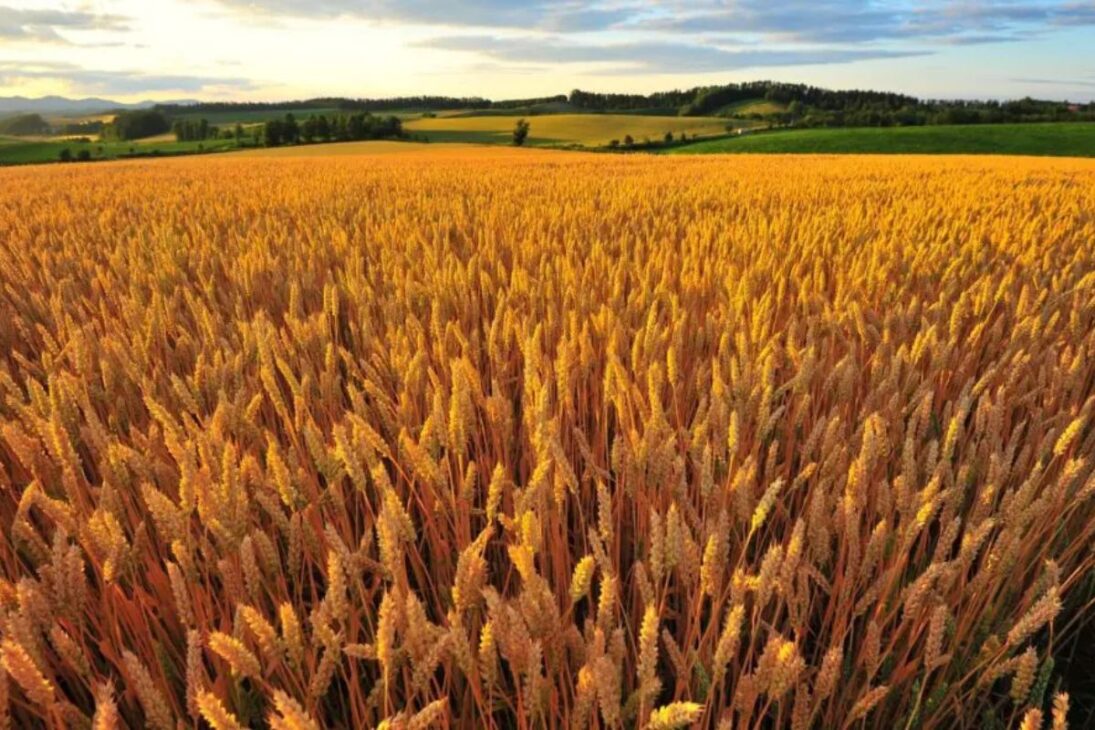
In addition to the trio of soybeans, corn, and cotton, other crops are gaining ground in the Brazilian agribusiness. In 2023, the harvest of wheat reached 10.8 million tons, with a 7.1% increase. Meanwhile, sorghum, important for animal feed, grew by 34.4%, totaling 3.8 million tons.
These numbers reflect the growing diversification of national agriculture, a strategic factor to reduce dependence on a few products and protect the sector against price and climate fluctuations.
Record Expansion Requires Attention To Sustainability
The significant growth of the Brazilian agribusiness also raises alarms. The regional concentration of investments and the accelerated expansion into new areas may bring environmental challenges and widen inequalities between regions.
Despite the prominence of the Midwest, South and Northeast have little representation in the ranking of the 100 leading cities, indicating structural imbalances in the distribution of agricultural resources and infrastructure.
Experts advocate for public policies focused on sustainability, support for family farming, and expansion of the diversity of crops as ways to strengthen the sector without compromising natural resources.
In your opinion, is the growth of the Brazilian agribusiness on the right track? What is needed to make it more balanced and sustainable? Share your thoughts in the comments.