Portuguese
  Spanish


About 200 kilometers off the coast of Rio de Janeiro, the Norwegian company Equinor has just anchored a piece at the bottom of the sea in the Campos Basin at a depth of 2,700 meters, the deepest stage ever executed by the company in its entire history. It is the heart of a gas project that promises to supply 15% of Brazil’s demand.
The equipment has a technical and discreet name: PLEM, an English acronym for pipeline end manifold. In practice, it is the underwater connection that will link the future platform to the pipeline that will carry natural gas to the coast. The installation, completed in early July, marks a decisive step in the Raia project, the former BM-C-33 block of the pre-salt Campos Basin, and places Brazil at the center of one of the most ambitious offshore operations of the decade.
An engineering feat in ultra-deep waters
To understand the size of the challenge, it’s worth looking at the numbers. The field lies under a water column that reaches 2,900 meters, and the reservoir is even deeper, about three thousand meters below the seabed, in a carbonate rock full of cavities and fractures that make production difficult. “Raia is Equinor’s largest project in execution and marks the deepest operation in our portfolio,” summarized Geir Tungesvik, the company’s executive vice president of projects.
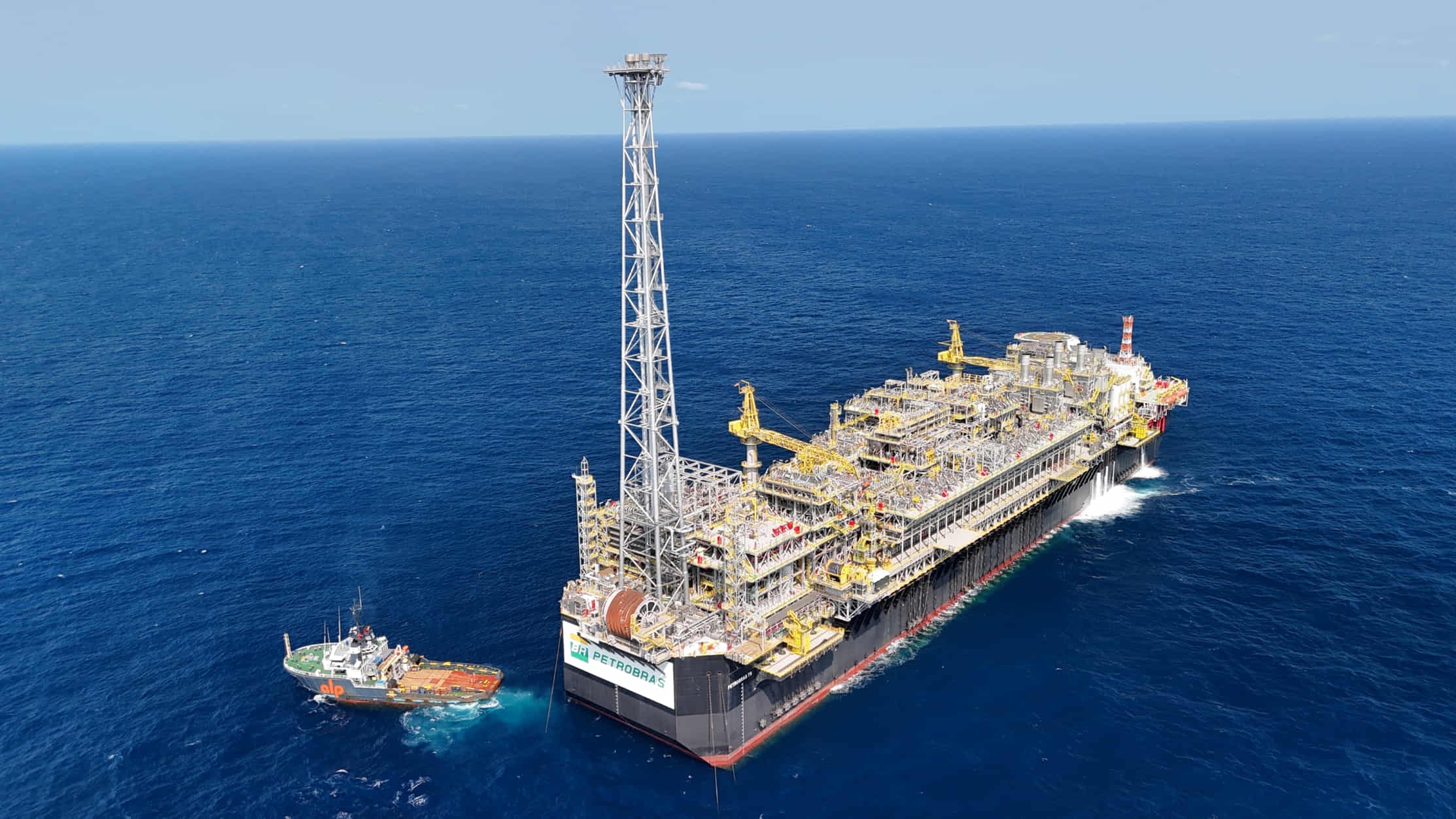
The entire subsea system is being assembled by TechnipFMC, in a contract that exceeded US$ 1 billion, and involves production trees, manifolds, flexible pipes, and umbilicals. The drilling of the wells began in March this year, with the drillship Valaris DS-17, and plans for a total of six wells. I confess that it impresses me to think that all this is being installed in absolute darkness, under the brutal pressure of almost three kilometers of water above.
-
A 33 km corridor in the Persian Gulf causes oil to jump 4% and threatens the diesel cut that Petrobras just implemented.

-
A 33 km corridor in the Persian Gulf causes oil to jump 4% and threatens the diesel cut that Petrobras just implemented.
-
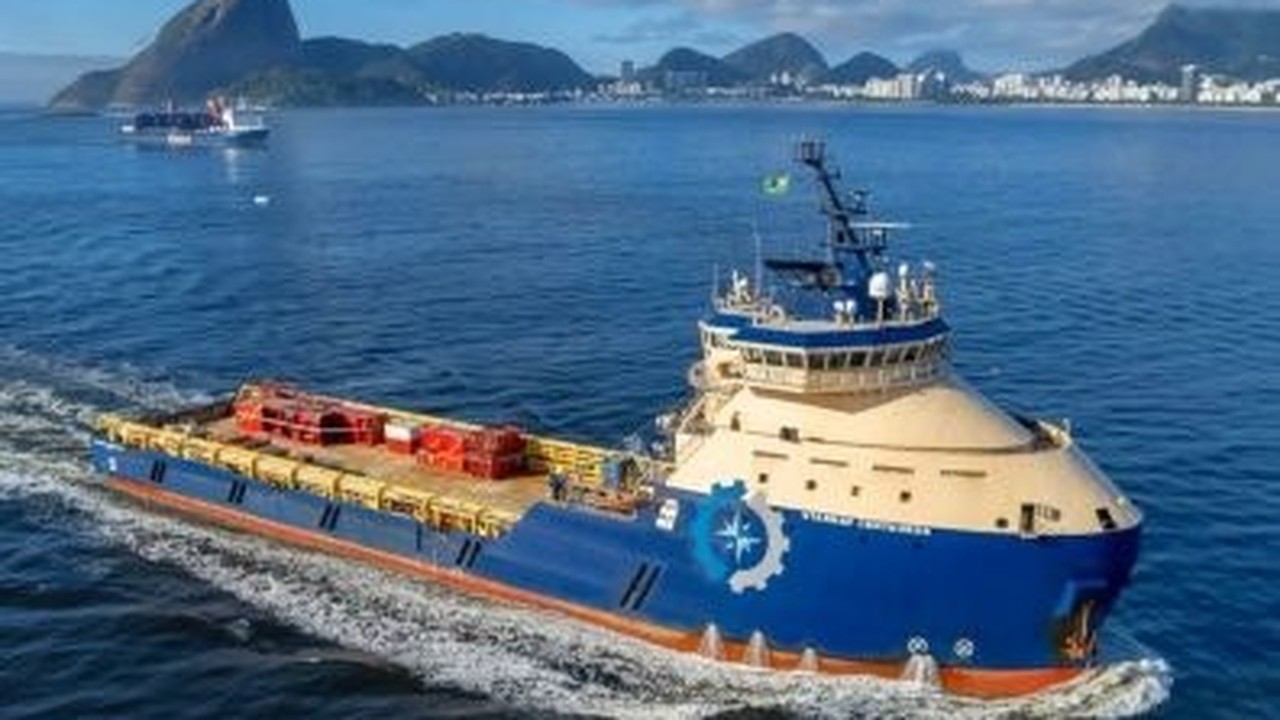
Starnav orders 10 hybrid vessels with German MTU engines in Itajaí and prepares fleet to serve Petrobras in the pre-salt for 12 years.
-
The Chamber releases R$ 10 billion to hold the price of diesel until December and proves that Brazilian fuel remains tied to Congress.



Who is behind the project
Raia is not a solitary bet. Equinor is the operator, with a 35% stake, sharing the consortium with Repsol Sinopec, also with 35%, and Petrobras, with 30%. The total investment in the project is estimated at around US$ 9 billion, and the recoverable reserves exceed 1 billion barrels of oil equivalent, distributed in the discoveries named Pão de Açúcar, Gávea, and Seat.
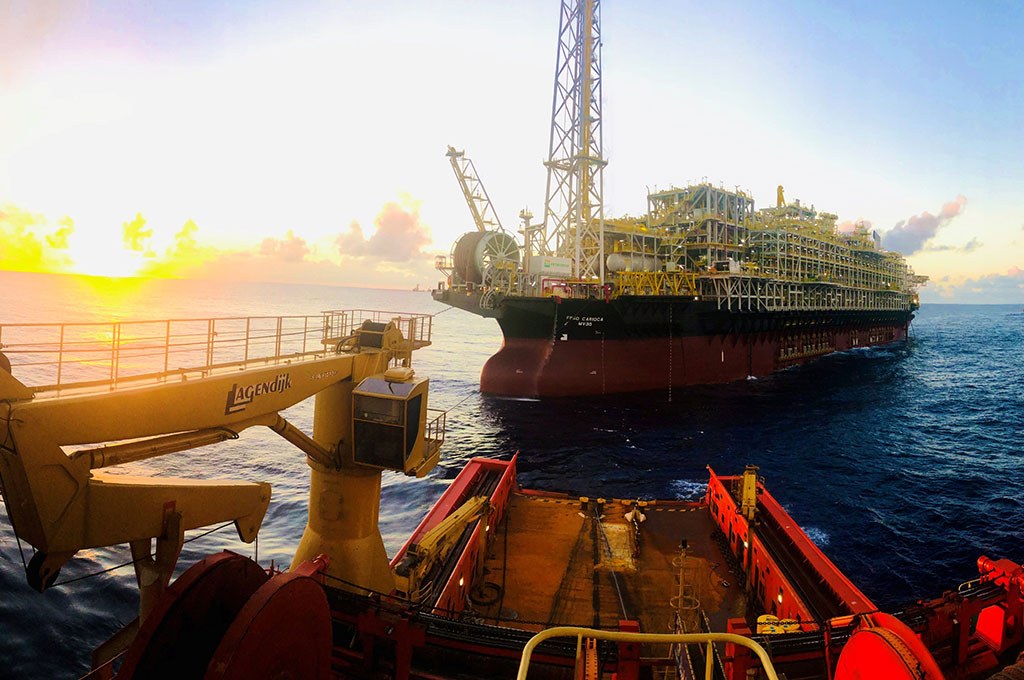
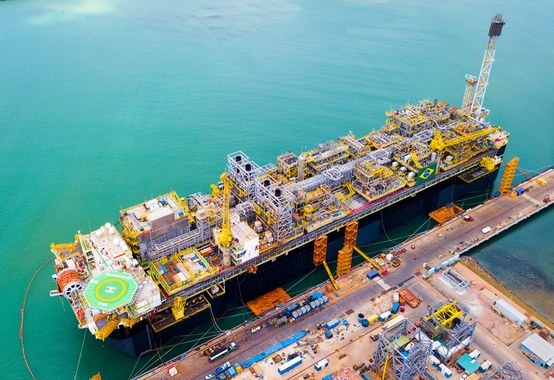
The hull of the platform, a floating production storage and offloading unit (FPSO), is being built by the Seatrium shipyard in Angra dos Reis, on the coast of Rio, and will be operated by MODEC in the first year. The unit will be able to store up to 2 million barrels of oil and process about 126 thousand barrels per day. Delivery is scheduled for 2027, with production starting in 2028. It is also noteworthy that about 99% of the steel pipeline supply is national, spreading the investment across the Brazilian industry and generating orders for suppliers in various states.
The installation of the manifold is just the latest link in a long chain. Before it, in 2025, Equinor had already laid the shallow water section of the pipeline, closer to the coast. Now, with the piece fitted in the depths, the phase of connecting the wells, pipelines, and platform into a single system begins. Each of these stages takes place thousands of meters deep, with underwater robots operating where no diver would ever reach. It is a project assembled blindly, guided by sonars and cameras, piece by piece, until forming the puzzle that will pump gas in 2028.
The gas that goes straight to the national network
The great differential of the project, however, lies in the gas. The platform will have the capacity to produce 16 million cubic meters of natural gas per day, and this volume will follow a pipeline of about 200 kilometers to the Cabiúnas Gas Treatment Unit in Macaé. It will be the first project in Brazil to take offshore gas directly to the national transport network, without the need for an additional onshore processing plant.
The potential impact is considerable: when in full swing, Raia could meet about 15% of all Brazilian natural gas demand. In a country that still imports gas and suffers from high prices for the industry, putting this new supply into the system could address one of the oldest bottlenecks in our energy matrix.
The project was also designed with a low carbon intensity target, less than 6 kilograms of CO2 per barrel produced, well below the industry average, and is expected to generate up to 50 thousand direct and indirect jobs over an estimated 30-year life cycle. The final investment decision was made in 2023, and since then each stage has been met with a rare schedule for projects of this scale.
I wonder how much this invisible engineering, down at the bottom of the sea, will weigh on the energy bill that reaches the Brazilian industry in the coming years. If Raia’s gas enters as planned in 2028, it will be one of the largest supply reinforcements the country will see this decade. And, in a sector where delays are almost the rule, meeting the schedule precisely would already be quite an achievement for everyone involved.
Will the gas from the Raia project be enough to ease the price the Brazilian industry pays today?