Portuguese
  Spanish


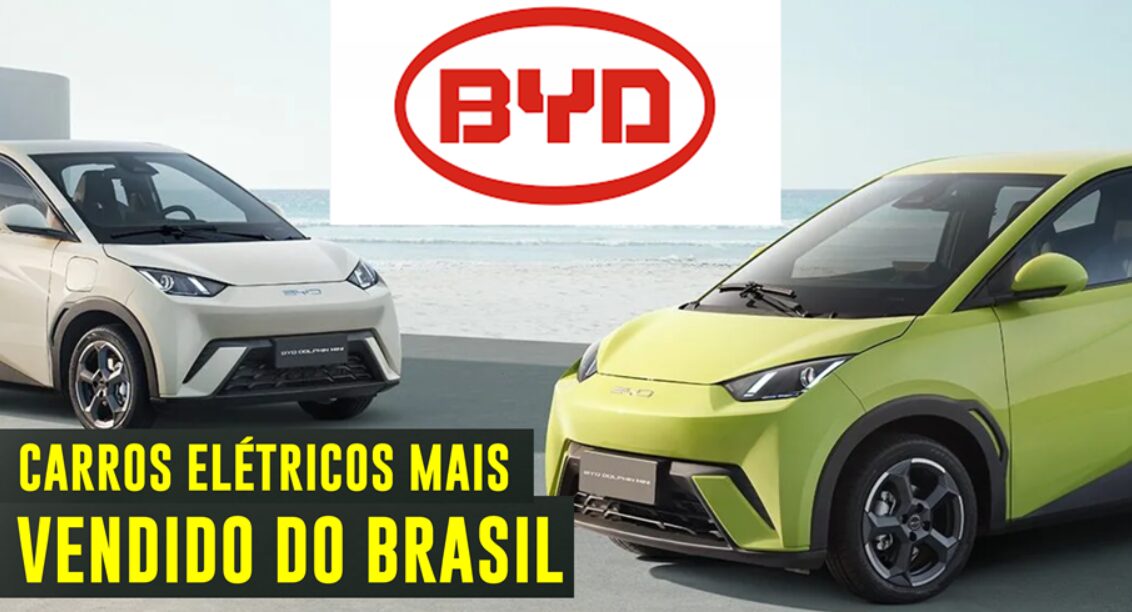

BYD Dolphin Mini Surprises And Stands Out In The Ranking Of The Best-Selling Electric Cars In August In Brazil; See Which Models Are Dominating The Sustainable Vehicle Market
The electric car market in Brazil continues to grow, and the standout in August was the BYD Dolphin Mini, which had an impressive recovery following a weak performance the previous month. Despite the increase in taxes, BYD’s darling achieved a significant sales increase, ending the month at the top of its category, further solidifying its position on the list of best-selling electric cars in Brazil in August.
On the other hand, the BYD Dolphin, its larger “brother,” experienced a drop in sales and ended up in second place.
Among the factors that may explain the success of the BYD Dolphin Mini is the launch of the 2025 line, which introduced a new version with capacity for five passengers. This change made the model more attractive, even for app drivers looking for economical vehicles with more interior space.
-
Unprecedented achievement in India: a colossal 650-ton, nearly 3,000 hp excavator is transformed into 100% electric, marking a new phase in heavy mining.

-
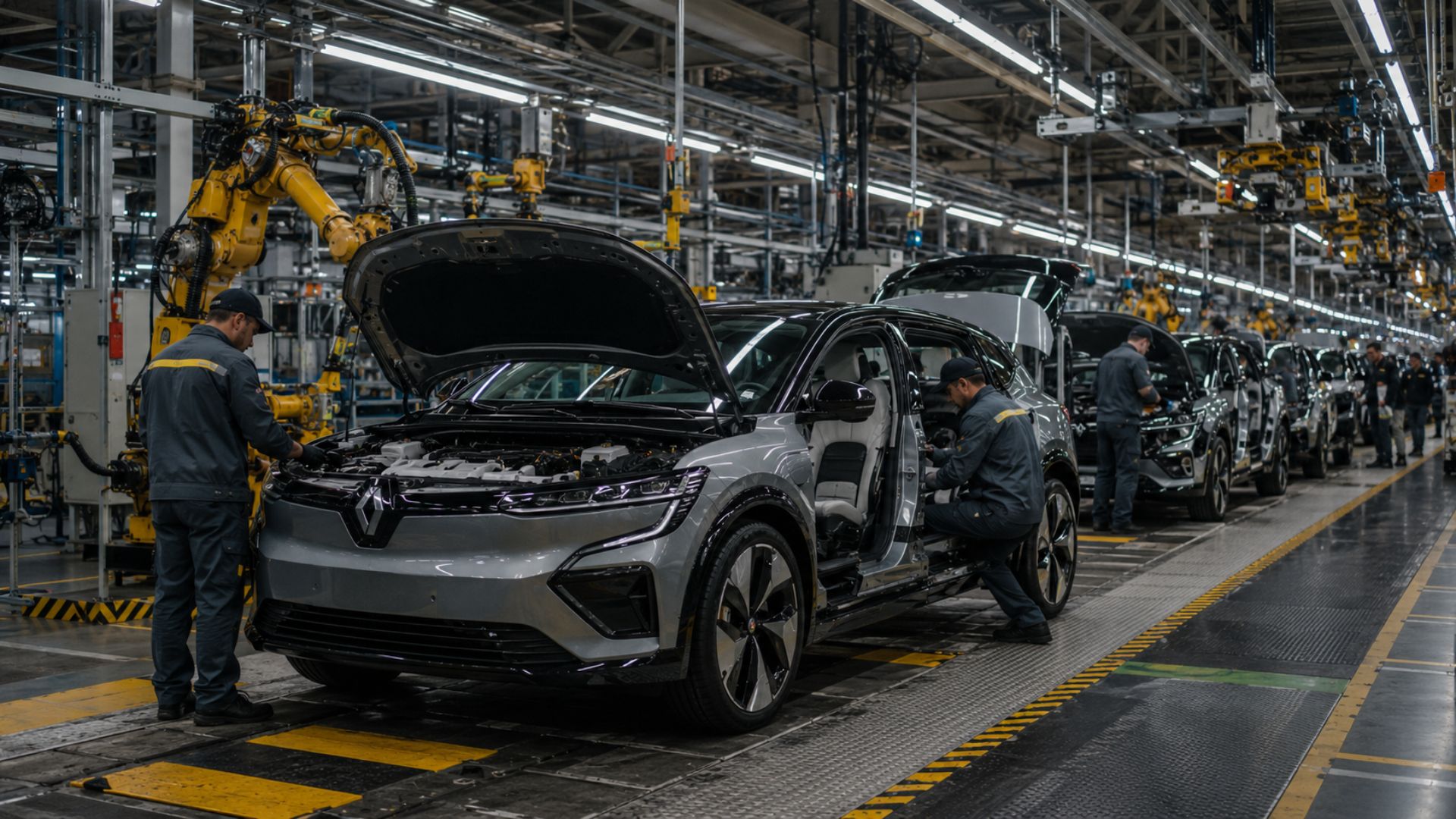
Frightened by the speed of Chinese manufacturers, Renault decided to mimic the pace, made the new electric Twingo in just 21 months, wants to repeat the feat with 36 models by 2030, and along the way, will cut up to 2,400 engineering positions.

-
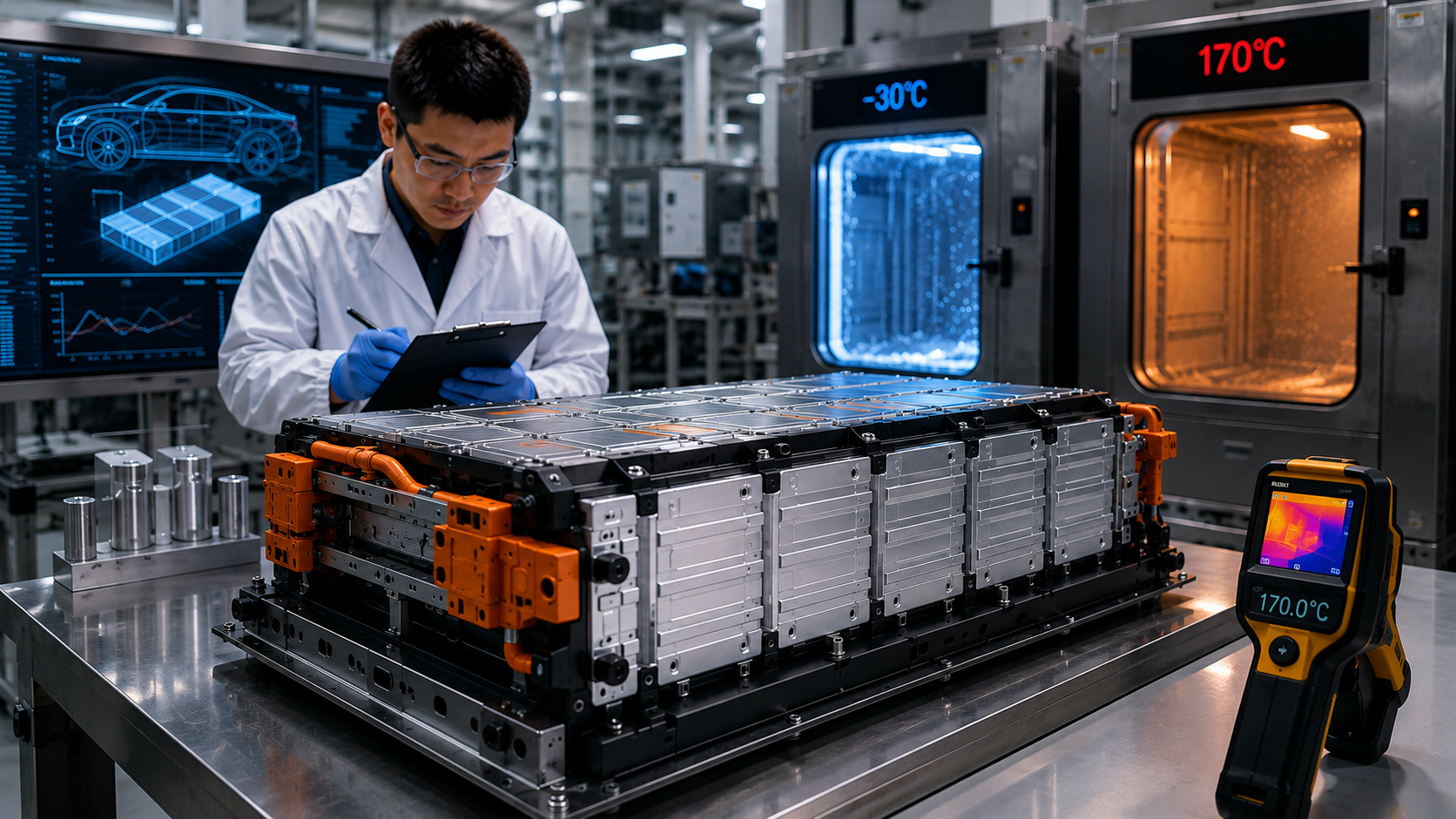
Chinese battery from Dongfeng promises to exceed 1,000 km without relying on liquid electrolyte, and the detail behind the technology could change the electric car competition.

-
The end of the automotive combustion era has already begun, but many in Brazil have not yet realized the magnitude of the shift towards Chinese electric cars.


Ranking Of The Best-Selling Electric Cars In August:
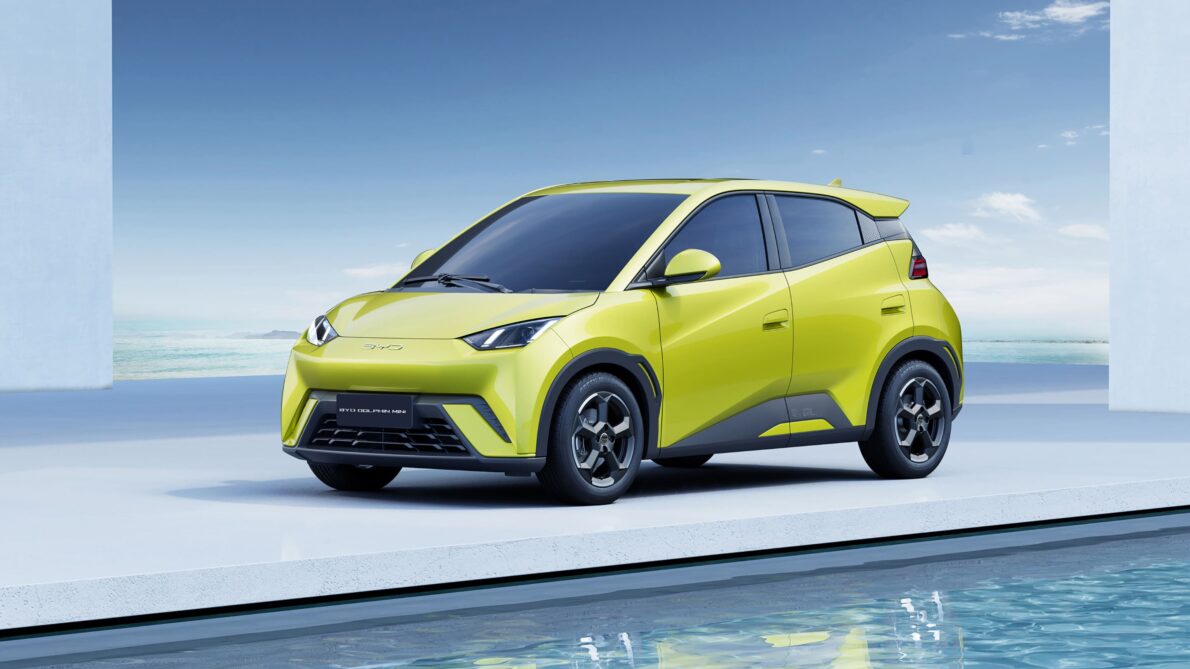
From July to August, sales jumped from 1,488 units to an impressive 2,298 registrations, solidifying its prominent position in the Brazilian electric vehicle market.
The BYD electric vehicle line is not limited to just the Dolphin Mini. The automaker also sells the mid-size sedan BYD Seal, which recorded 228 units sold in August, and the electric SUV BYD Yuan Plus, with 208 registrations in the same period. These models complement the brand’s offerings, which is gradually capturing a larger share of the electric vehicle market in the country.
In August, the electric car market in Brazil totaled 5,078 units sold, surpassing the 4,676 units sold in July. So far this year, there have been 40,559 new electric vehicles in circulation in Brazil, a clear sign that the transition to battery-powered cars is gaining momentum.
BYD has established itself as the leader in this market, holding a significant share of nearly 75% of electric vehicle sales in Brazil. Just in August, the brand was responsible for the sale of 3,807 electric vehicles. The Chinese automaker has been investing heavily in innovation and a diverse line of models, which has contributed to its dominance in the market.
Volvo ranked second among manufacturers, with 418 electric vehicles sold in August. The Swedish automaker has also been betting on the growth of this segment, bringing to Brazil electric models that combine luxury, safety, and technology. Close behind Volvo is GWM (Great Wall Motors), with 382 units sold, continuing to demonstrate its strength in the electric vehicle market.

Renault, in turn, held a more modest position with 135 electric vehicles sold in August. Despite this, the French automaker has its loyal audience and continues to invest in accessible electric models like the Renault Zoe, which remains a popular choice among consumers looking to transition to an electric car without spending too much.
Brands That Sell The Most In Brazil
BYD: 3,807
Volvo: 418
GWM: 382
Renault: 135
BMW: 99
Jac: 78
Porsche: 46
Ford: 37
Mini: 25
Audi: 11
Electric Vehicle Market In Brazil
The electric vehicle market in Brazil is in full expansion, and August was yet another testament that the trend of electrification is here to stay. BYD’s leadership, both with the Dolphin Mini and its other models, shows that the brand is aligned with the needs of Brazilian consumers.
The versatility of its line, ranging from small hatchbacks to sedans and SUVs, has been an important differentiator in capturing different customer profiles, from app drivers to families seeking sustainable and efficient cars.
The future of the electric vehicle market in Brazil looks promising, and automakers that invest in innovation, technology, and accessibility will certainly capture a larger share of this growing segment. In the coming months, new electric models are expected to be launched in the country, further expanding the options available to consumers and strengthening competition among brands.