Portuguese
  Spanish



The Advancement of Electric Vehicles Drives the Increase of Energy Consumption in Brazil, Strengthening the Charging Infrastructure, Clean Energy and the Transition to Sustainable Mobility
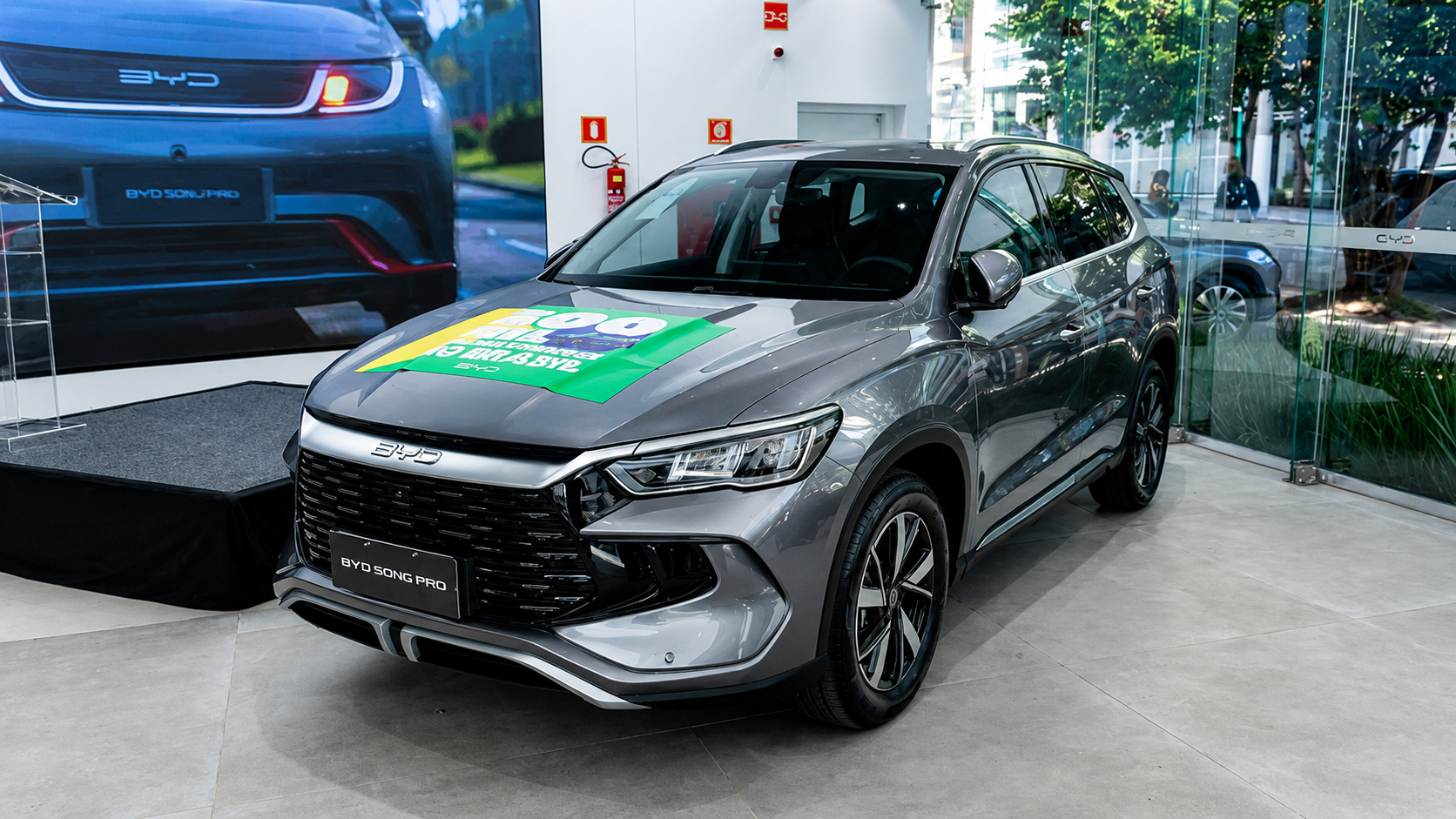
The increase in energy consumption in Brazil is directly linked to the rapid expansion of the electric vehicle fleet on the streets of the country, according to a report published.
The growth of this market, which until a few years ago was incipient, reflects a new moment for the transport sector and the national energy matrix.
According to the National Energy Balance (BEN) 2025, prepared by the Energy Research Company (EPE) in partnership with the Ministry of Mines and Energy (MME), the number of licensed electrified vehicles jumped from 1,900 in 2020 to over 215,000 in 2024.
-
Chery Offers Lifetime Battery Warranty and Car Replacement for Major Failures Under New Chinese Regulations

-
Nissan Discontinues Qashqai SUV Amid Cost-Cutting, Chinese Competition, and Product Line Review
-
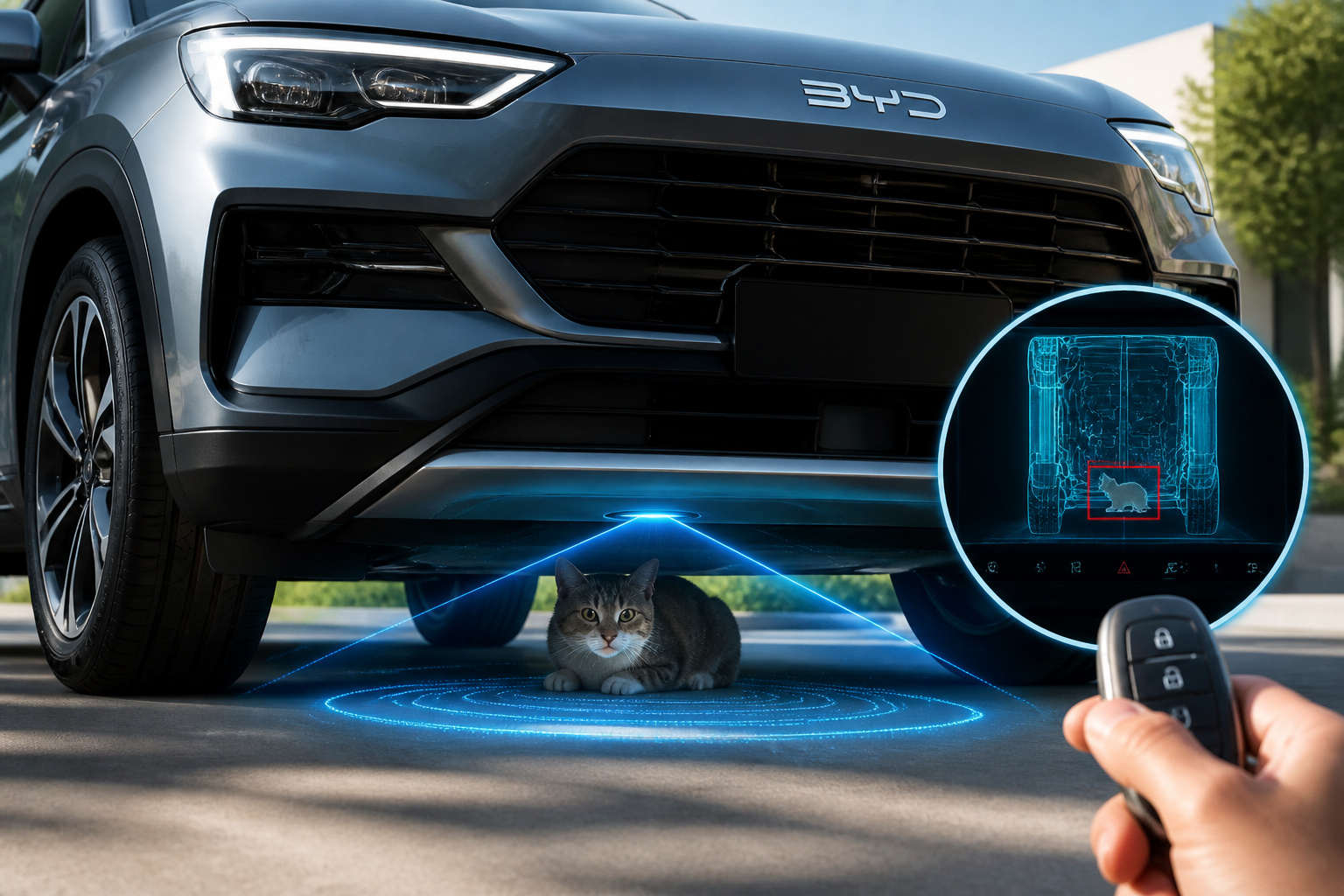
BYD Patents Revolutionary System Using Computer Vision to Detect Animals Under Cars Before Starting, Preventing Tragedies

-
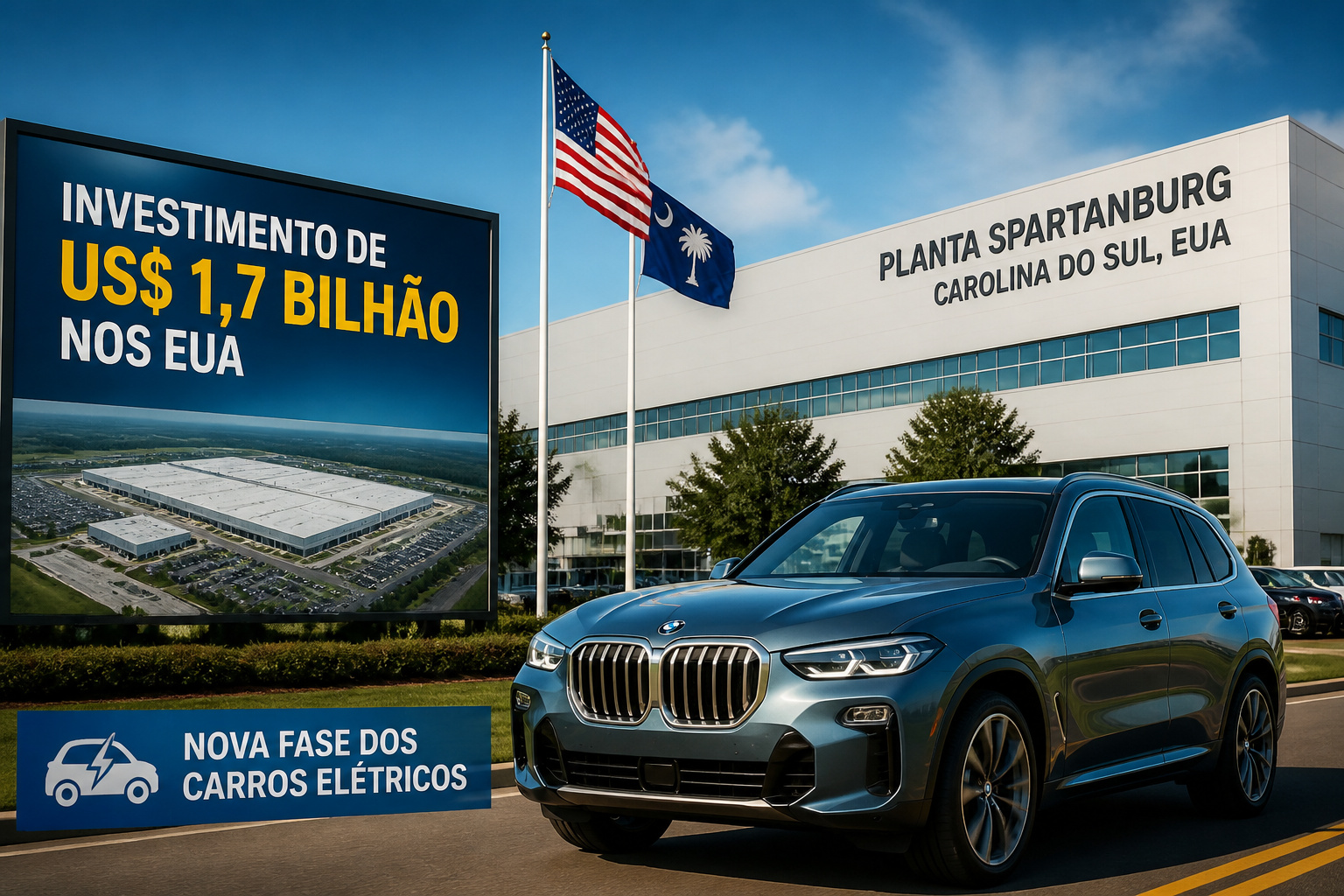
BMW Completes $1.7 Billion Investment in the U.S. for Electric Vehicle Production, Positions South Carolina for New Generation as Rivals Reassess EV Race

This significant change, over one hundred times in just five years, reveals how electric mobility is beginning to consolidate itself as a viable and sustainable alternative in Brazil, profoundly altering the pattern of electricity consumption and stimulating the transition to renewable sources.
Expansion of the Electric Fleet and Charging Infrastructure for Electric Vehicles
The significant increase in licensing has a direct impact on energy consumption in the road sector, which rose from 14 gigawatt-hours (GWh) in 2020 to 309 GWh in 2024.
Automobiles represent over 90% of this total, followed by light commercial vehicles, buses, and electric trucks.
This growth demands advancements in the charging infrastructure for electric vehicles, a challenge that involves both expanding the network of charging points and strengthening energy distribution networks.
State governments and private companies are already announcing investments to meet this new demand and ensure stability in the system.
This change aligns with the process of decarbonizing the economy and strengthening policies aimed at the efficient use of energy.
The Role of the BEN and the Sustainable Growth of the Brazilian Energy Matrix
The National Energy Balance (BEN), published annually by the EPE since 2004, is the main source of data on energy supply and consumption in the country.
The 2025 report shows that the increase in energy consumption in Brazil results not only from electric mobility but also from the increased use of renewable sources such as solar and wind.
The document is part of the special series Energy of Brazil, launched by the MME, which aims to bring the population closer to information about the energy sector.
These data reveal a consistent advance in the energy transition, supported by the diversification of biofuels and the increasing use of clean technologies.
The goal is to ensure the sustainable growth of the Brazilian energy matrix, strengthening the balance between supply, demand, and sustainability.
Trends in Electrification and Advancements in the Energy Transition in Brazil
The combination of technological innovation, tax incentives, and environmental awareness has driven the electrification of national transport.
In addition to reducing acquisition costs and increasing battery autonomy, automakers are intensifying the offer of hybrid and 100% electric models, expanding consumer access.
This scenario reinforces the increase in energy consumption in Brazil, but also promotes a positive change: the gradual replacement of fossil fuels with electricity from renewable sources.
The process, highlighted by the MME and the EPE, indicates that the energy transition is advancing in a planned and consistent manner, with direct effects on the urban development, sustainability, and future of Brazilian mobility.