Portuguese
  Spanish




Pioneering Satellite Promises to Revolutionize Global Methane Emissions Tracking
BAE Systems, in collaboration with the Environmental Defense Fund (EDF) of the United States, celebrated the successful launch of the MethaneSAT satellite, an innovation aimed at monitoring and quantifying methane emissions primarily from the Oil and Gas sector around the globe. This technological advancement occurred at Vandenberg Space Force Base in California, marking a significant step in the fight against climate change.
Innovative Capabilities for Methane Monitoring
The MethaneSAT stands out for its unique ability to provide reliable scientific data on the location and magnitude of methane emissions, thanks to the cutting-edge spectrometer developed by BAE Systems. This essential tool measures the absorption of light reflected by the Earth in a narrow band of the infrared spectrum, where methane has strong absorption, allowing for accurate detection and quantification of emissions.
The main focus of this satellite will be the oil and gas sector, responsible for approximately 40% of anthropogenic methane emissions. With the ability to revisit and monitor the same locations daily, the MethaneSAT promises to be an invaluable tool in identifying and mitigating sources of methane emissions.
-
Scientists Develop Needle-Free Insulin That Penetrates Skin, Reduces Glucose in Animals Within an Hour, Paving the Way for Diabetes Patches and Creams for Humans

-
After 40 Years of Research, Powdered Coconut Water to Be Produced in Brazilian Biorefinery, Aiming to Revolutionize Health for Children, Elderly, and Hospital Patients
-
Queen Guitarist Brian May Collaborates with ESA Scientists to Study Asteroids Bennu and Ryugu Using 3D Simulations
-
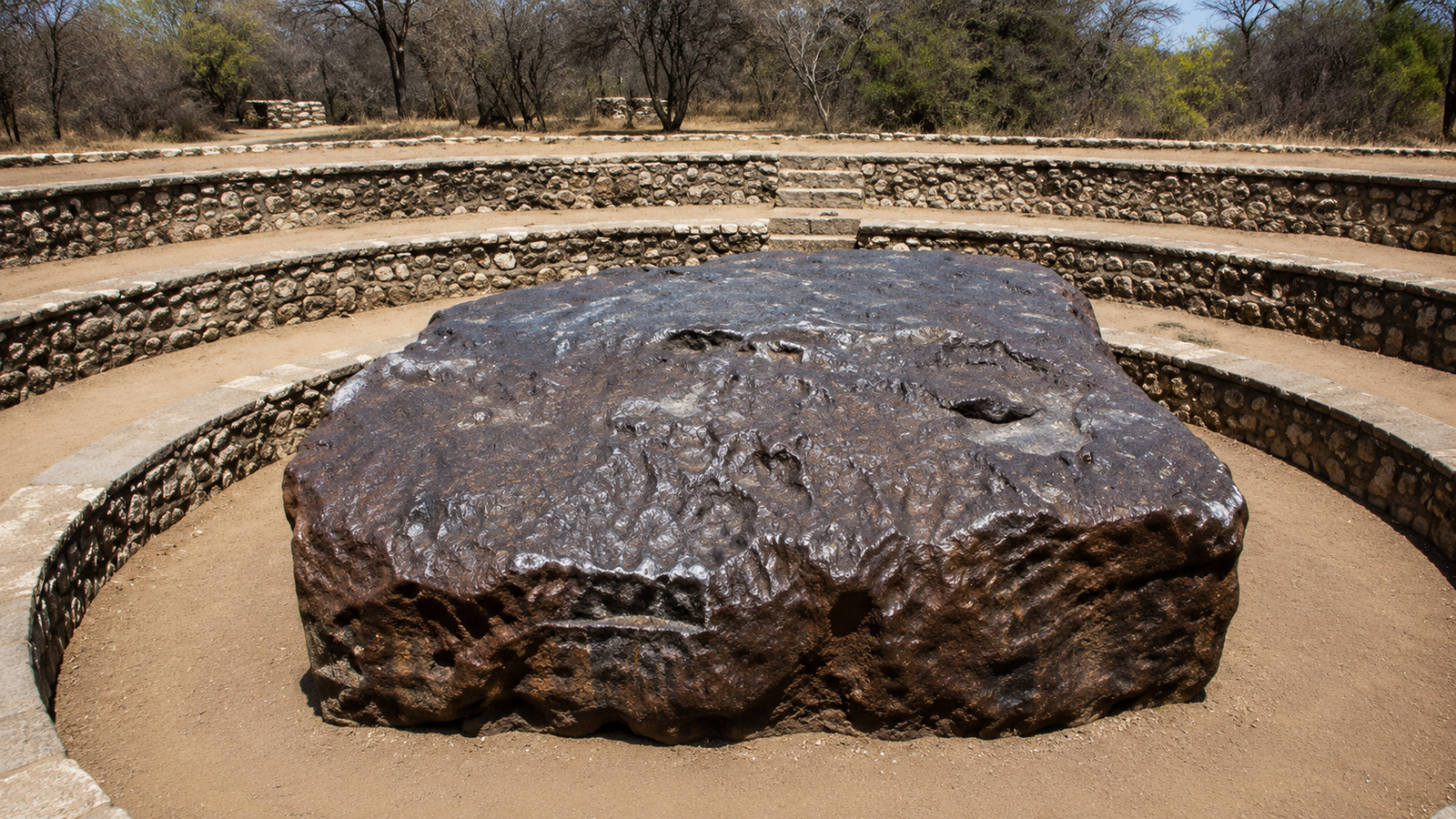
Largest Known Single-Piece Meteorite, Weighing 60 Tons, Puzzles Scientists with Its Intact Fall and Lack of Visible Crater


Strategic Partnerships and Open Access to Data
The collaboration between BAE Systems, EDF, and MethaneSAT LLC was instrumental in the development of the satellite’s main instrument, as well as in the integration and testing of the spacecraft. BAE Systems’ commitment to the success of this mission extends to commissioning services, essential to ensure that the satellite reaches its correct orbit and has its onboard systems properly tested before entering service.
A notable aspect of this project is the commitment to transparency and the accessibility of the collected data. After the commissioning is completed, EDF, in partnership with Google, will launch a cloud-based platform to publicly distribute MethaneSAT data free of charge. This initiative will ensure that vital information about methane emissions is available to researchers, policymakers, and the general public, facilitating global efforts to reduce the presence of this potent greenhouse gas in the atmosphere.
The MethaneSAT represents a remarkable achievement in environmental monitoring technology, highlighting the crucial role of innovation and international cooperation in addressing climate issues. With its ability to accurately detect and quantify methane emissions, the satellite is poised to offer a new and powerful tool in the fight against global warming. The successful launch aboard a SpaceX Falcon 9 rocket not only reaffirms BAE Systems’ leadership in the aerospace sector but also marks a significant advancement in global environmental monitoring, with lasting implications for the health of our planet.
Source: Ricardo de Sousa – BAE Systems.