Portuguese
  Spanish


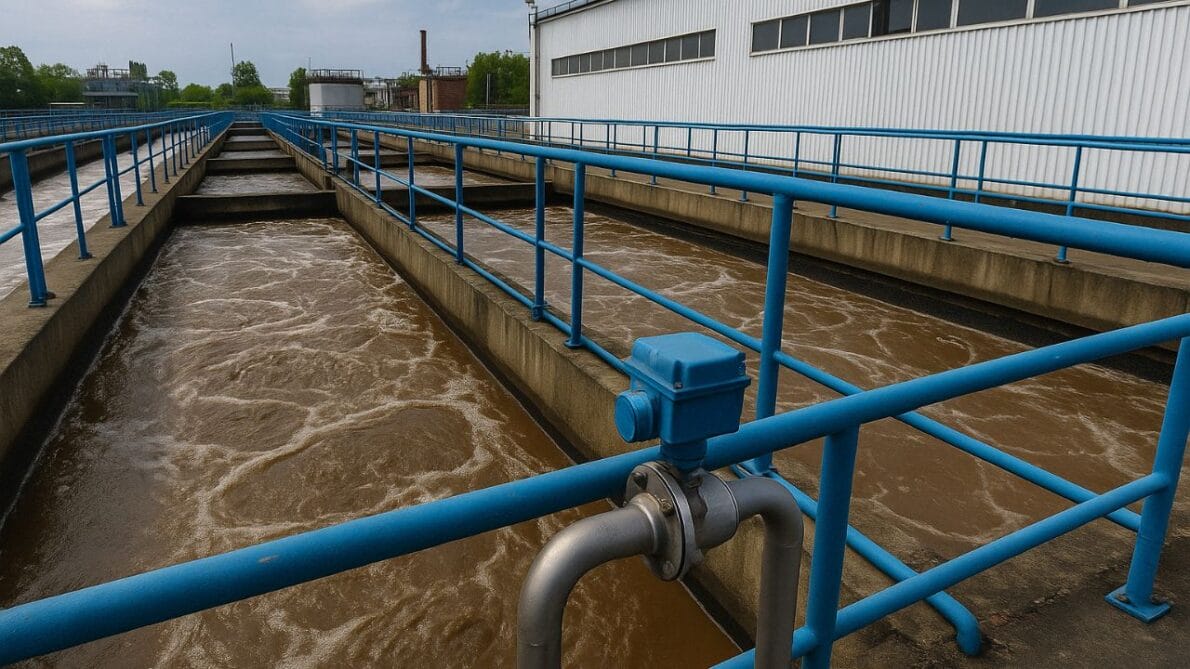

Technology Developed in India Combines Electricity Generation with Environmental Treatment in a Single System
Researchers at the Indian Institute of Science (IISc) developed a zinc-air battery capable of producing energy while simultaneously generating hydrogen peroxide (H₂O₂), a compound used to treat contaminated wastewater. This innovation represents a promising advance in the union between energy efficiency and environmental preservation.
Technology that Generates Energy and Treats Pollutants
The new battery uses metallic zinc as the anode and the oxygen present in the air as the cathode. During discharge, oxygen is reduced and generates H₂O₂ instead of water, thanks to a carbon catalyst that eliminates the need for precious metals. This hydrogen peroxide can be used to degrade toxic substances in industrial effluents, especially in waters with synthetic dyes, common in the textile industry. The device, therefore, serves two simultaneous functions: energy supply and water purification.
Practical Applications and Positive Environmental Impact
To verify its effectiveness, the researchers tested the battery with solutions containing industrial dyes. The presence of H₂O₂ resulted in the degradation of pollutants, evidenced by visual changes in the coloration of the water. This approach may benefit areas with limited access to conventional treatment and energy systems, promoting decentralized solutions with lower environmental impact. Additionally, the H₂O₂ generated can be utilized in various applications, such as disinfection and industrial processes.
-
Axia Energia Invests $280 Million in Q1, Increases Investments by 36%, and Turns Loss into $740 Million Profit

-
California Project Aims to Store Heat Underground in Former Oil Reservoir to Generate 100 kW of Electricity for Over 12 Hours
-
French Port Harnesses Industrial Waste Heat to Power Up to 30,000 Homes
-
Belgian Port to Install Shore Power for Cruise Ships by 2027, Cutting Dock Emissions by Up to 5% and Meeting EU Regulations



Economic and Viable Alternative to the Traditional Model
The traditional method for producing hydrogen peroxide is costly and energy-intensive, along with the use of metallic catalysts. In contrast, the zinc-air battery proposed by IISc uses abundant and accessible materials, such as zinc and carbon, and operates with ambient air. The simplicity of construction and low operating costs make the technology promising for large-scale application, especially in developing countries or regions focused on sustainable energy and sanitation solutions.
Energy and Environment United in a Single Solution
The proposal from the Indian Institute of Science represents an important step in integrating energy innovation with sustainability. By generating clean electricity while also acting to remove pollutants from water, the zinc-air battery points to a future where energy storage devices can serve multiple functions. The project reinforces the global trend of creating energy solutions that also address local environmental challenges.