






 Portuguese
  Spanish


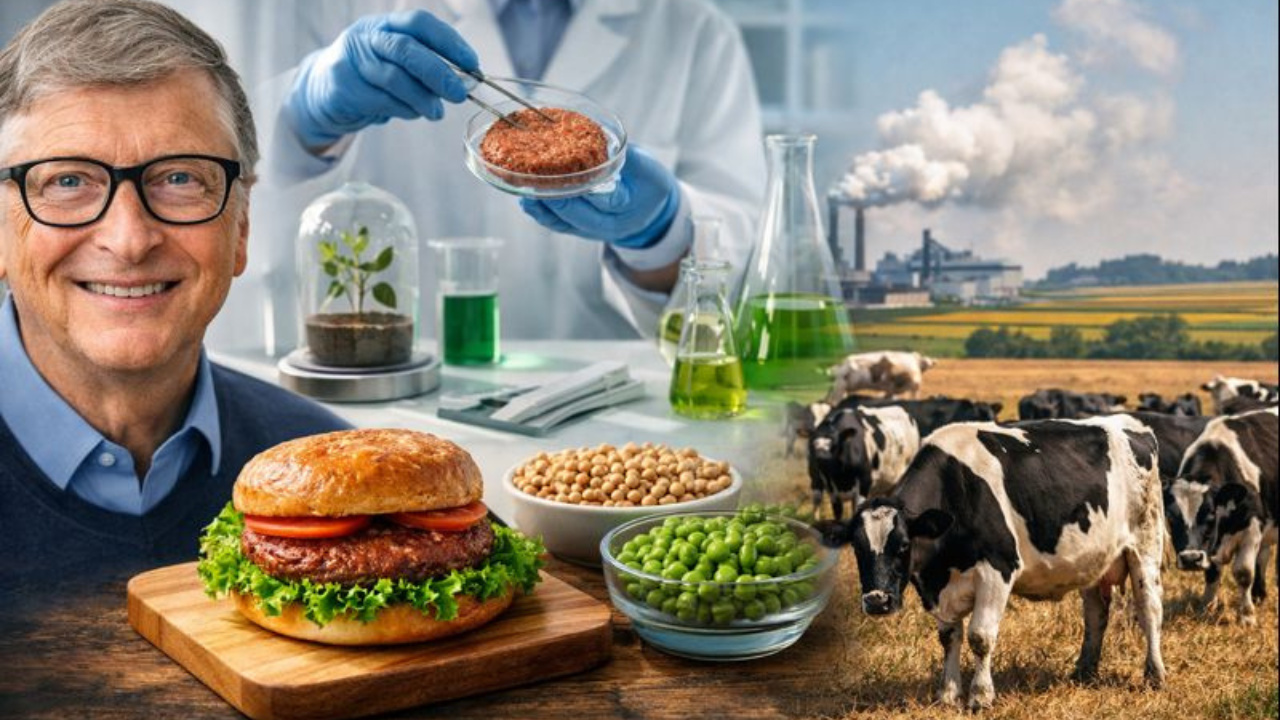
According to Bill Gates, Artificial Meat Can Reduce Methane Emissions from Cattle Farming and Alleviate Environmental Sustainability Impacts.
The proposal to replace part of the cattle farming with artificial meat has returned to the center of the global debate after statements from Bill Gates, billionaire, philanthropist, and one of the largest landowners in the United States.
The entrepreneur claims that changing the food production model is necessary now, on a global scale, as a way to reduce methane emissions, mitigate climate impacts, and advance environmental sustainability, especially in wealthy countries with high meat consumption.
According to Gates, the discussion is taking place at a decisive moment, marked by the advancement of climate change, pressure on land use, and the search for solutions capable of feeding a growing global population without increasing environmental damage.
-
Brazilian promises his children to save a river, creates an eco-barrier in his backyard, has already removed more than 40 tons of trash from the water, and even inspires the idea in other states of the country.

-
How a Brazilian company created a system that transforms broken pallets of any brand into new assets, recycles 80 tons of plastic per month, and found a profitable solution to a problem that challenges industries across the country.

-
Invasive bullfrog capable of devouring other amphibians and laying up to 20,000 eggs is found in Florianópolis, raising an alert about the threat to native fauna.
-
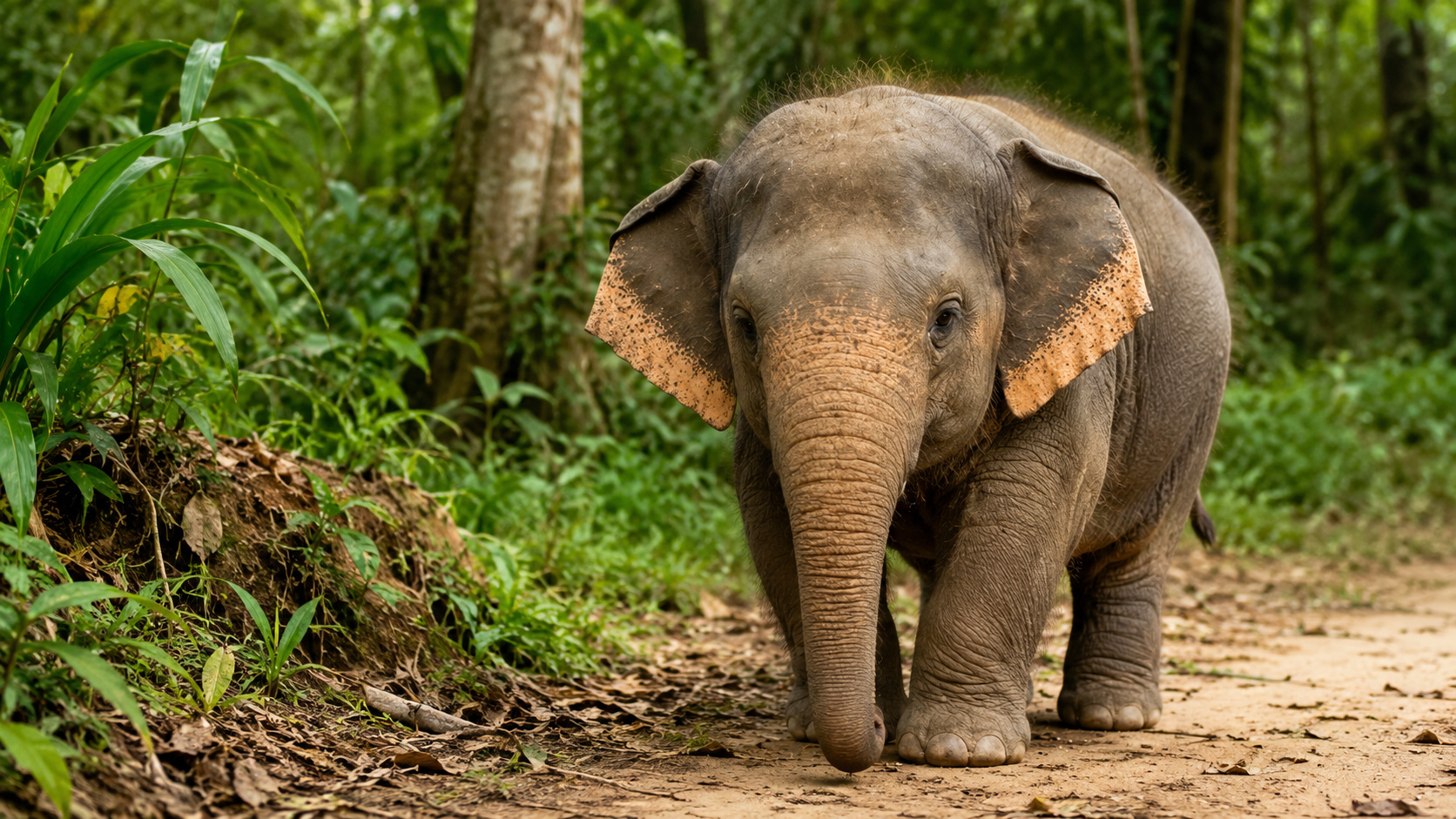
It looks like a baby, but it’s an adult: meet the Bornean pygmy elephant, the smallest elephant in the world threatened by habitat loss.
The statements, echoed in content from Compre Rural based on information from Bloomberg, reinforce a debate that has been gaining momentum among governments, investors, and climate experts.
Cattle Farming Under Growing Environmental Pressure
Cattle farming frequently appears at the center of environmental criticism due to its direct impact on greenhouse gas emissions.
According to Bill Gates, the main challenge lies in the digestive process of cattle, known as enteric fermentation, which releases large volumes of methane during food digestion.
Methane is considered one of the most aggressive gases to the climate.
While it remains in the atmosphere for about 12 years, its global warming potential can be up to 86 times greater than that of carbon dioxide (CO₂) in the short term.
Therefore, reducing these emissions is seen as one of the fastest ways to slow global warming.
Methane Emissions and Their Impacts Beyond the Climate
Data cited by Gates indicate that cows account for approximately 6% of methane emissions globally.
At the same time, more than 60% of this gas originates from human activities, including agriculture, energy, and waste.
In addition to its climatic effect, methane also negatively influences human health, agricultural productivity, and ecosystem balance.
In light of this scenario, the entrepreneur argues that reducing the size of the global herd can bring significant environmental gains, especially when combined with new food production technologies.
Artificial Meat as a Strategy for the Future of Food
The main alternative advocated by Bill Gates is the advancement of artificial meat and plant-based products.
These foods use plant proteins and industrial processes to replicate the flavor, texture, and appearance of traditional meat, with less environmental impact.
The entrepreneur is an investor in companies that have become benchmarks in this market, such as Impossible Foods and Beyond Meat.
According to Gates, these products require less land, consume less water, and emit fewer greenhouse gases compared to conventional cattle farming.
Impossible Foods uses ingredients like soy protein, wheat gluten, and vegetable oils to create burgers and other products.
Meanwhile, Beyond Meat focuses on a diverse range, including ground meats and plant-based sausages.
Health, Animal Welfare, and Environmental Sustainability
In Gates’ view, artificial meat may offer benefits that go beyond climate issues.
He claims that these products tend to be “a bit healthier,” primarily due to lower cholesterol levels compared to traditional beef.
Furthermore, the partial substitution of cattle farming could reduce the pressure on forests and agricultural areas.
Thus, the proposal fits into a broader vision of environmental sustainability, aligned with the demands of the 21st century.
Resistance and Counterpoints to Bill Gates’ Proposal
Despite the environmental arguments, especially in countries where cattle farming has significant economic and social weight, like Brazil.
Critics highlight that beef is essential for food security, income generation in rural areas, and the balance of productive chains.
Industry experts also point out that cattle farming has been advancing towards more sustainable practices, such as integrated crop-livestock systems.
A Global Debate That Tends to Intensify
Bill Gates’ statements reinforce that the future of food will be one of the most strategic topics in the coming decades.
On one side, technology, innovation, and artificial meat emerge as quick responses to methane emissions and climate change.
On the other side, producers argue that cattle farming can evolve without being completely replaced.
Whether with or without consensus, the debate is already underway.
Land use and environmental sustainability have the potential to redefine how the world produces and consumes protein in the future.








Be the first to react!