






 Portuguese
  Spanish
  4 min of reading
  2 comments


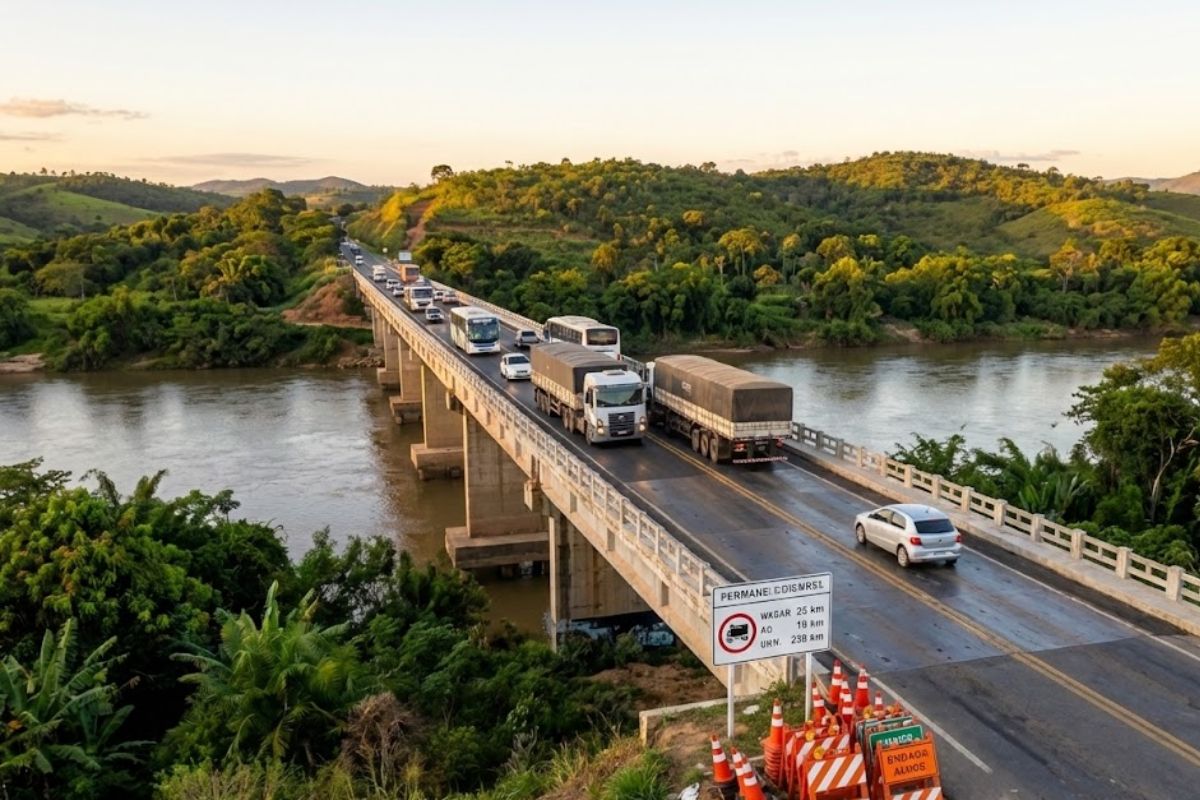


After 7 Months of Monitoring, the Bridge over the Jequitinhonha River on BR-101 in Itapebi Will Be Released by December 22 with Reinforcement in Steel Plates, Ending the Stop and Go and Gradually Increasing the Weight Limit for Buses and Trucks While a New Larger Bridge Continues to Be Constructed.
After seven months of continuous monitoring and rehabilitation actions, the bridge over the Jequitinhonha River, located at km 661.72 of BR-101 in Itapebi, in southern Bahia, is expected to be opened to traffic by December 22, following the schedule set by the National Department of Transport Infrastructure. The structure has been receiving final services to ensure adequate and safe traffic conditions, even after the impact of the rains in the region.
During this period, the bridge over the Jequitinhonha River underwent reinforcement of the existing structure, with the installation of steel plates on the underside of the slab and permanent technical monitoring. The goal is to restore vehicle flow more safely, reduce the waiting time imposed by the stop and go system and create conditions for buses and trucks to resume crossing the section with an increased load limit.
How the Bridge over the Jequitinhonha River Is Today

Currently, the bridge over the Jequitinhonha River, on BR-101, operates under the stop and go system and is only open to vehicles weighing up to 5 tons.
-
Via Mar promises to relieve BR-101 in Santa Catarina, but it will be the state’s first toll state highway and faces soft soil and rice fields that threaten the timeline.

-
To halt the advance of the Sahara, the 8,000 km Great Green Wall in the Sahel relies on reforestation to combat desertification, but by 2026 it remains far behind the goal of 100 million hectares.
-
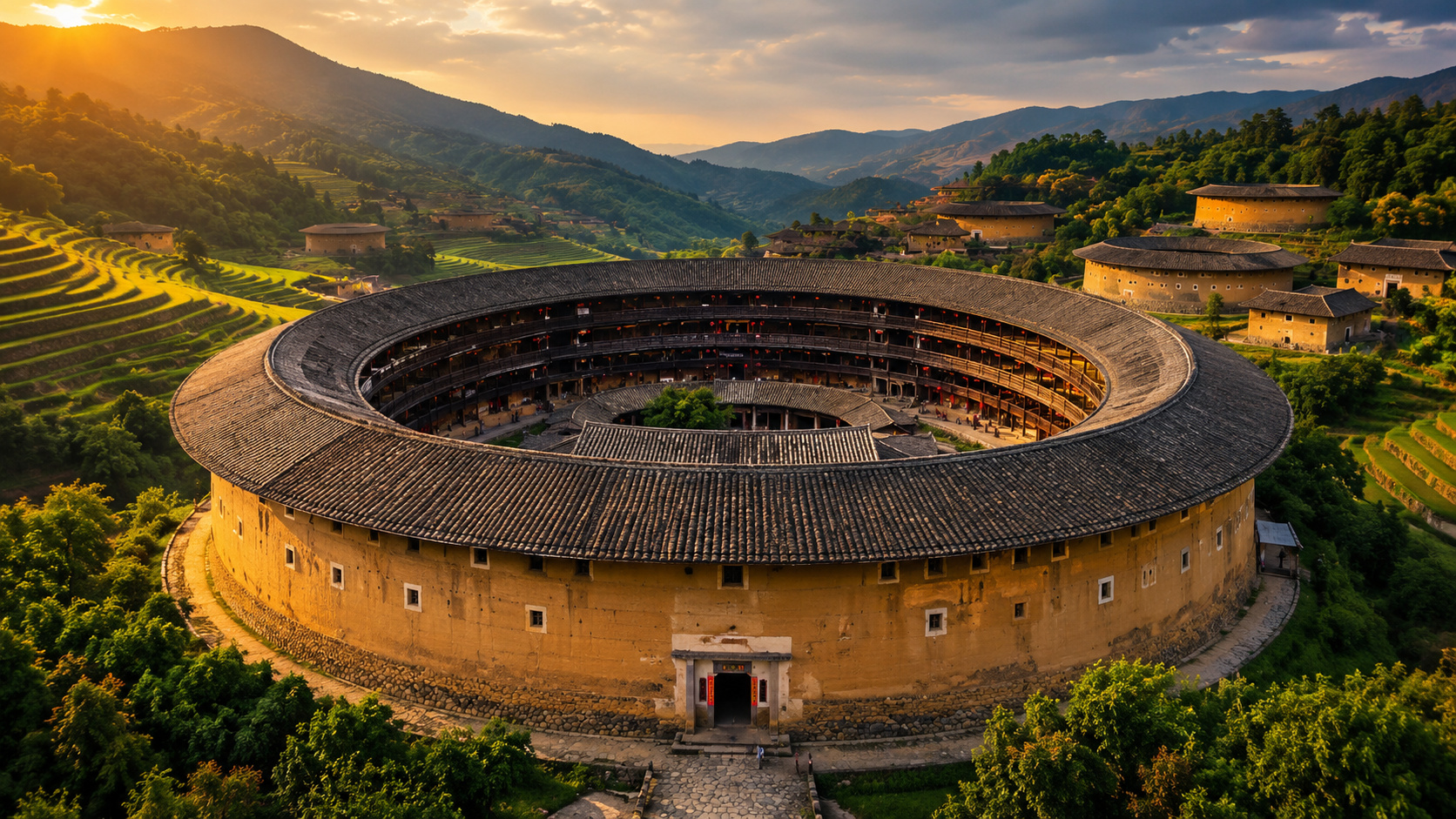
Long before sustainable construction became a trend, China built earthen fortresses with multiple floors, a central courtyard, and the capacity to house up to 800 people living in a community.

-
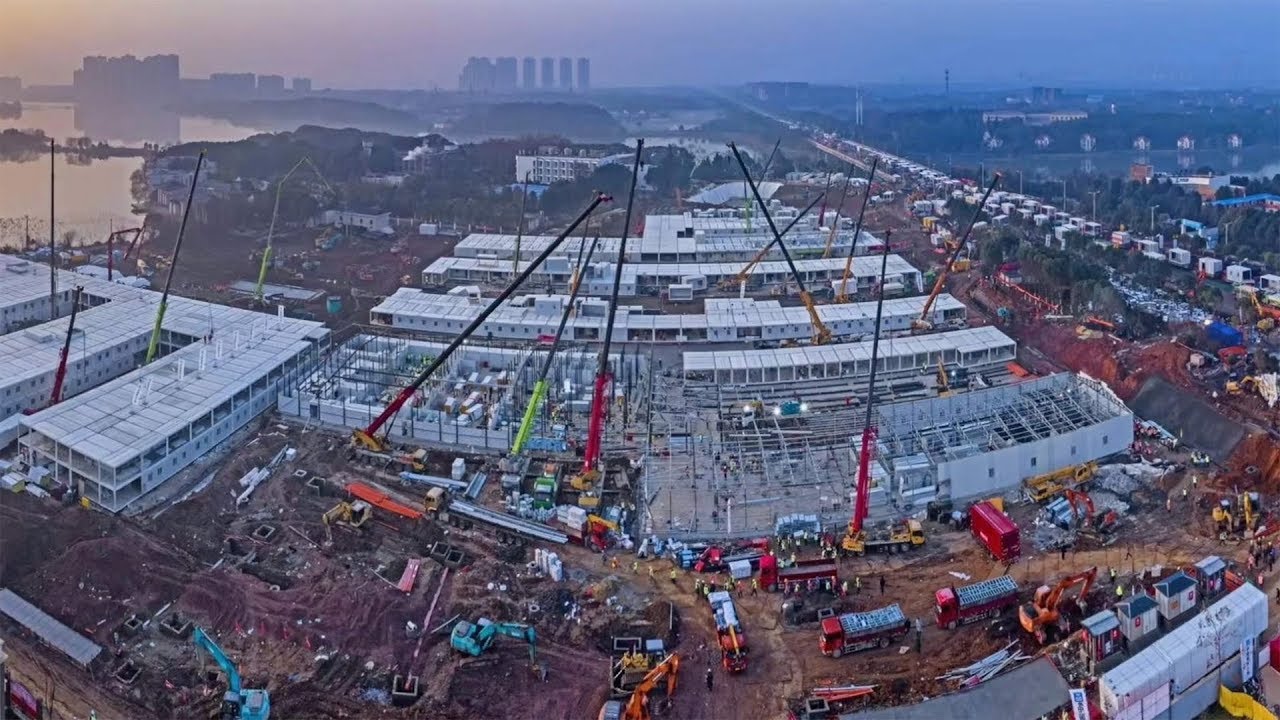
While in the rest of the world building a hospital takes years from design to inauguration, China erected the Huoshenshan Hospital from scratch in just 10 days, with 1,000 beds, foundation, structure, electrical installations, plumbing, and oxygen system ready to receive patients, mobilizing 7,000 workers.


This restriction forces other drivers to use the Veracel detour, a necessary alternative to preserve the safety of workers involved in the construction and the users of the roadway.
This scheme, while emergency, directly affects the transportation of passengers and goods in the southern Bahia region.
BR-101 is an important route for the flow of production and for domestic tourism, and any limitation on the Jequitinhonha River impacts delivery deadlines, logistical costs, and travel for those who rely on the road daily.
Schedule for Release and Increased Weight Limit
DNIT has established a detailed schedule for the release of the bridge over the Jequitinhonha River. Teams are expected to complete the reinforcement of the existing structure by next Tuesday, the 16th.
On Thursday, the 18th, the finalization of the report on the technical analyses of load capacity monitoring is anticipated, an essential document to safely define the new authorized weight limit.
On December 20, the signage with the new permitted weight on the bridge over the Jequitinhonha River will be executed, indicating the limit for different types of vehicles.
By December 22, the expectation is that the opening to traffic within these parameters will occur, which represents the end of the stop and go and the beginning of a phase of smoother circulation for those who depend on BR-101 in the region.
Who Will Be Able to Cross the Bridge over the Jequitinhonha River
The reinforcement of the existing bridge over the Jequitinhonha River, made with steel plates on the underside of the slab, aims to allow the traffic of medium-sized buses and trucks, with two axles and up to 10 tons.
This means that a significant part of the fleet currently relying on the Veracel detour will be able to return to directly using the crossing in Itapebi.
However, for larger trucks, such as trailers and trucks with three or more axles and weight over 10 tons, authorization to cross the bridge over the Jequitinhonha River will depend on technical testing and analysis of the data collected from ongoing monitoring.
Only after this evaluation will it be possible to precisely decide how far the weight limit can be increased without compromising safety.
New Bridge over the Jequitinhonha River Is Set to Change the Crossing Standard
While adjusting the current structure, DNIT is also advancing in the construction of a new bridge over the Jequitinhonha River, built alongside the existing crossing.
The project will have approximately 510 meters in length and duplicated lanes, promising to change the mobility standard in the section of BR-101 in Itapebi when the work is completed.
The foundations for the new bridge over the Jequitinhonha River are already underway, with the execution of concrete blocks.
Completion is expected in 2026. Overall, the Federal Government is investing R$ 104 million in the rehabilitation of the current bridge and in the construction of the new crossing over the Jequitinhonha River, in addition to another R$ 22 million allocated for the operation, conservation, and maintenance of the Veracel detour, which remains essential until the full release of the main structure.
Importance of BR-101 and the Crossing of the Jequitinhonha River
BR-101 is one of Brazil’s main highways, connecting Touros in Rio Grande do Norte to São José do Norte in Rio Grande do Sul, and forming, alongside BR-116, one of the country’s most important road axes.
It is essential for passenger transport, for the flow of production, and for domestic tourism that drives various regions.
In Bahia, the section of BR-101 where the bridge over the Jequitinhonha River is located has additional strategic relevance, as it ensures access to beaches, coastal towns, and different tourist points along the route.
The recovery of the bridge, the end of the stop and go and the future delivery of the new crossing are likely to reduce logistical bottlenecks and improve the circulation of residents, tourists, and truck drivers throughout southern Bahia.
With the release of the bridge over the Jequitinhonha River and the gradual arrival of more works on BR-101, do you think the region will finally have the traffic flow it deserves, or are there still other important investments needed in the section?


Infelizmente tudo nesse país é motivo de roubalheiras. E uma total falta de transparência e respeito a população de bem, pagadora dos seus impostos.
Imahuna qtos milhoes so pra colocar umas barras de ferro. Certeza que se fosse em um Brasil sério com o mesmo dinheiro faria 3 pontes.