






 Portuguese
  Spanish


With the Expansion of Wind Energy, Brazil Seeks to Qualify Thousands of Professionals by 2030. SENAI-RN and MME Highlight the Urgency of Training Technicians and Engineers to Meet the Growing Demand of the Sector.
The accelerated growth of wind energy in Brazil and worldwide has revealed a strategic challenge: the shortage of qualified labor. Currently, there is a global demand for about 25,000 professionals specialized in this field, and projections indicate that by 2030, the number of new workers needed could exceed 40,000.
This information was presented by Marco Antonio Juliatto, General Coordinator for Policy Articulation for Energy Transition at the Ministry of Mines and Energy (MME), during the Brazil Windpower event held this Thursday (30).
According to Juliatto, the wind sector is one of the most important gears in the global energy transition, but it still heavily relies on technical qualification. “The demand is growing and requires that educational institutions and industry work together to prepare professionals capable of acting in this transformation,” pointed out the MME representative.
-
Brazil filled the Northeast with wind turbines but now faces the side effect of 705 giant blades reaching the end of their lifespan by 2032 just in Rio Grande do Norte, while the world projects 43 million tons of waste by 2050.

-
Brazil has filled the Northeast with wind turbines, but now it faces the side effect of 705 giant blades reaching the end of their useful life by 2032 just in Rio Grande do Norte, while the world projects 43 million tons of waste by 2050.
-
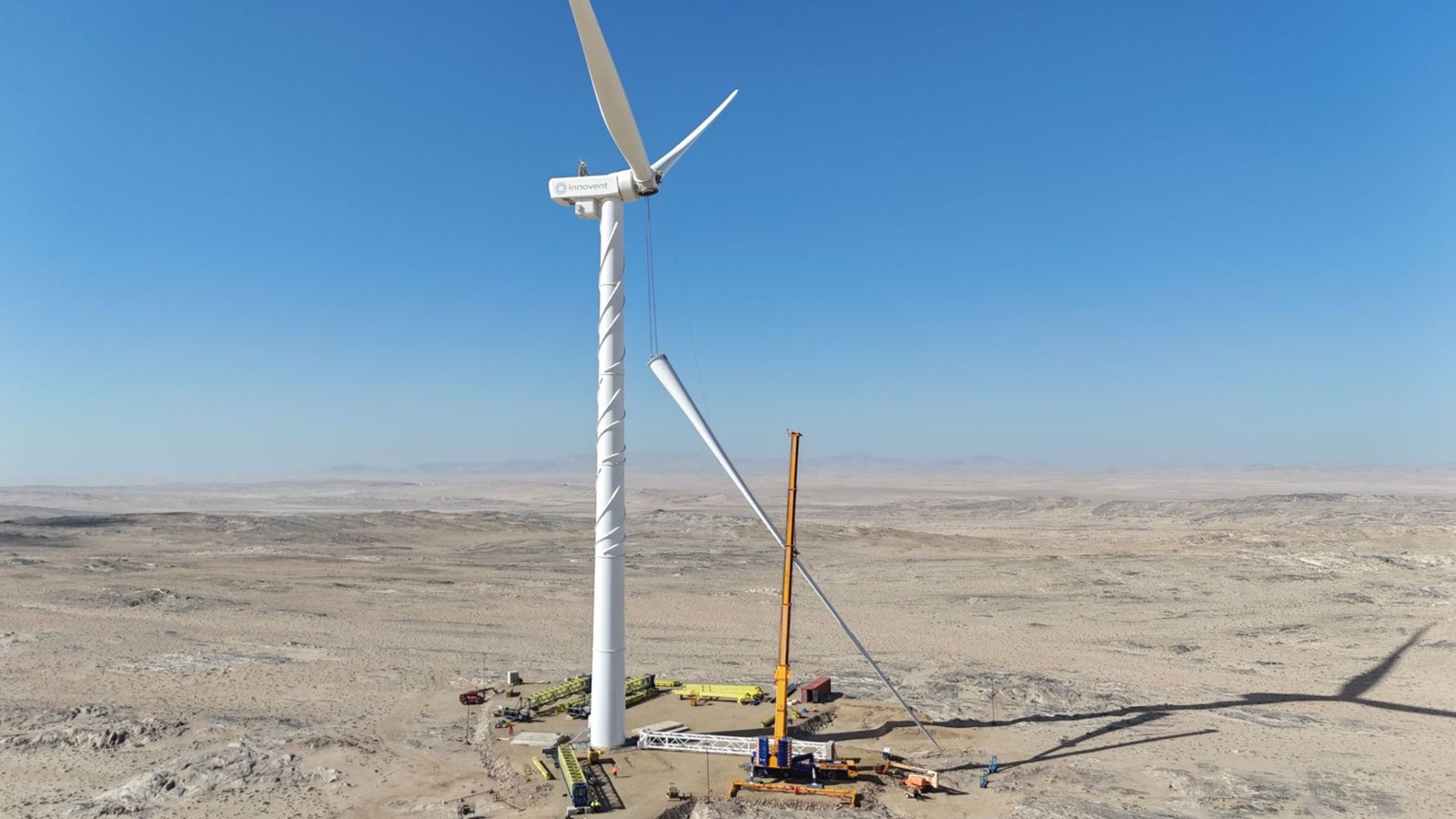
Wind farm in Namibia will have wind turbines assembled without giant cranes and is expected to avoid 200,000 tons of carbon dioxide per year when it becomes operational.

-
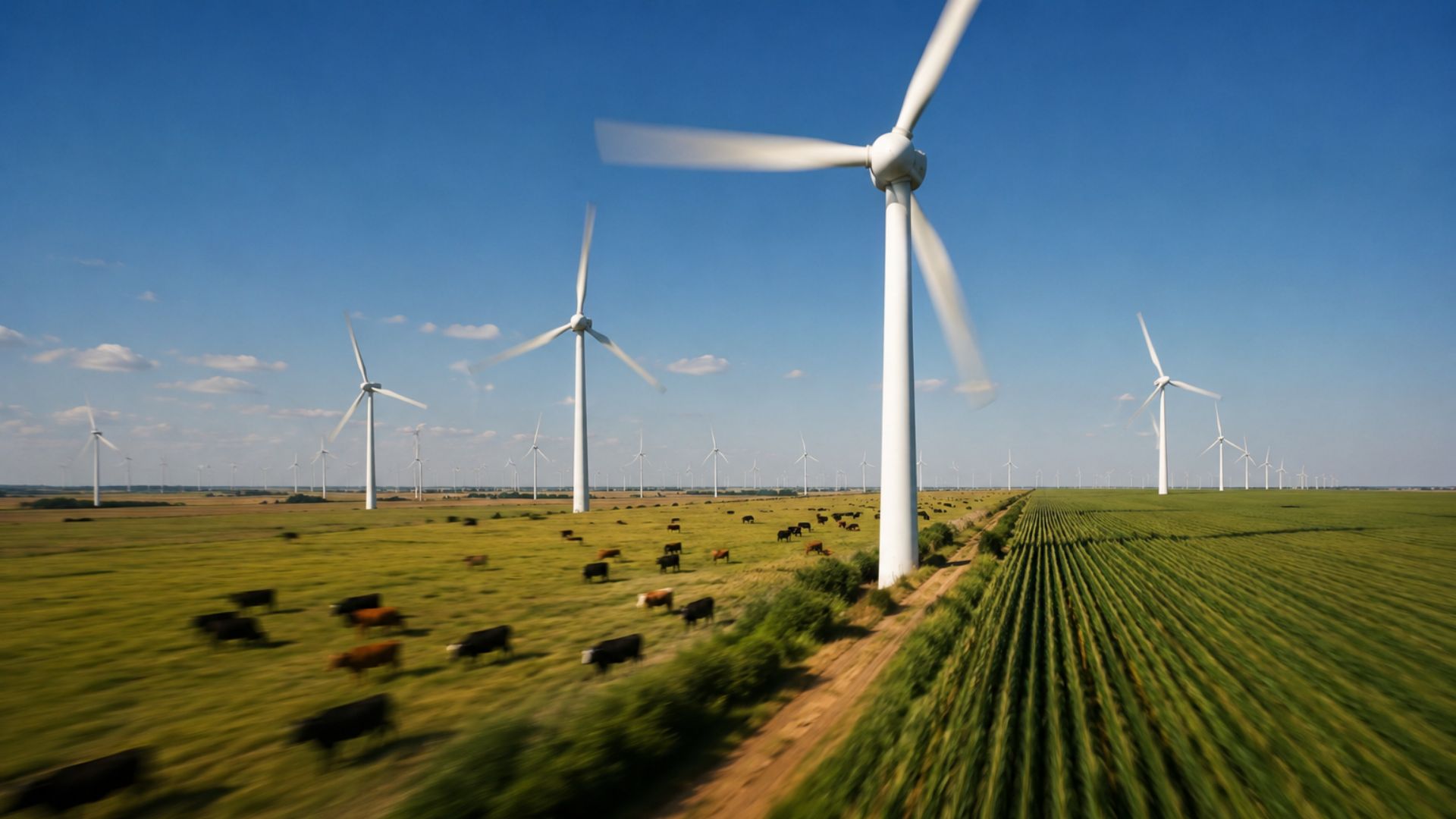
Taller than the Statue of Liberty, thousands of wind turbines are being planted in the middle of U.S. fields, creating two-story farms where corn and soybeans grow below while the wind turns into electricity above.


SENAI-RN Launches the Country’s First Postgraduate Program in Offshore Wind Energy
Among the main actions aimed at training, SENAI-RN announced the first Brazilian postgraduate program in offshore wind energy. The course is a direct response to the advancement of the new energy frontier in the country and seeks to anticipate the training of professionals who will work in the installation and operation of offshore wind farms.
The director of the SENAI Institute of Innovation in Renewable Energies (ISI-ER) and the College of Renewable Energies and Industrial Technologies (FAETI), Rodrigo Mello, emphasized that this initiative follows the same line as the movement started in 2011, when the first specialization course in onshore wind energy in Brazil was created. “We need to start early to develop the professionals that will be necessary for the new energy frontier,” he stated.
According to Mello, the energy transition involves technology and innovation, but above all, people. He noted that, since 2007, SENAI-RN has been actively involved in training technicians and engineers for the sector, with an employment rate exceeding 80%, which reinforces the alignment between training and the actual demands of companies.
Strategic Partnerships and the Challenge of the ‘Engineer Blackout’
Another point addressed during the panel was the growing deficit of engineers in Brazil, a phenomenon that threatens the pace of wind energy expansion. Mello classified the scenario as an “engineer blackout,” resulting from the decline in demand for engineering courses and the “aridity” perceived in traditional training. According to him, it is essential that institutions create more attractive and innovation-connected paths capable of sparking young people’s interest.
To tackle this challenge, SENAI National is forming a partnership with the Brazilian Wind Energy and New Technologies Association (ABEEólica). The specialist in Industrial Development, Edilson de Oliveira Caldas, explained that the agreement aims to enhance the sector’s workforce in the main producing regions, such as Rio Grande do Norte and Bahia, national leaders in installed capacity and wind generation.
“It is a technical cooperation agreement to strengthen the training of professionals and respond directly to the demands of companies associated with ABEEólica,” highlighted Caldas. Preliminary data from the association indicate that the greatest need is in the area of operation and maintenance, crucial segments to ensure efficiency and safety in wind power plants.
Technical Training and Innovation as Pillars of the Energy Transition
During the panel “Professional Development and Training: The Brazilian Wind Sector,” held at Brazil Windpower, experts emphasized that Brazil needs to accelerate the training of local talents. Project Manager at the German Agency for International Cooperation (GIZ), Roberta Knopki, the mediator of the debate, highlighted that exchanging experiences and integrating academia, government, and the private sector are fundamental to establishing the country as a powerhouse in wind energy.
The mobilization of SENAI-RN and MME demonstrates a joint effort to avoid qualification bottlenecks and prepare Brazil for the next decade. In a scenario where clean energy is gaining more and more space, professional training becomes the essential fuel for sustainable energy transition.








