Portuguese
  Spanish


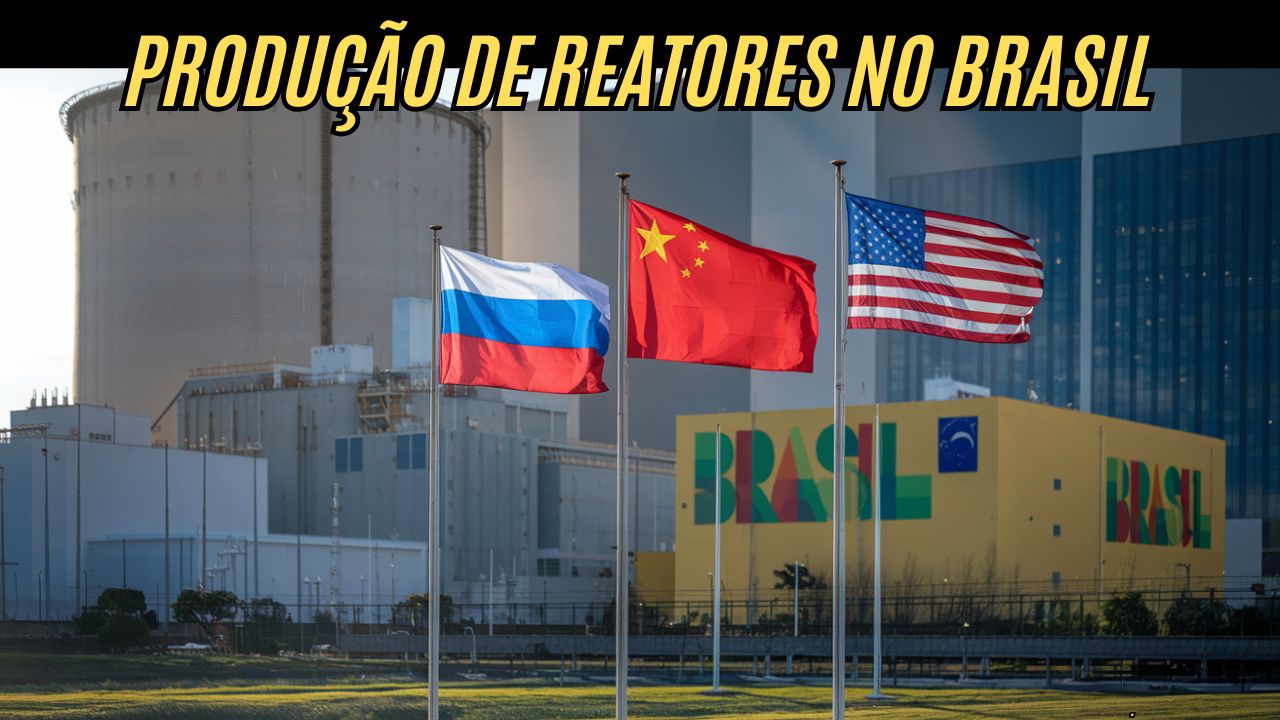


The Brazilian Government Is In Negotiations With The USA, Russia And China To Enable The Production Of Small Nuclear Reactors To Generate Energy In The Country. The Aim, Led By The Minister Of Mines And Energy, Alexandre Silveira, Is To Create A National Policy That Expands The Exploration Of Uranium And Modernizes The Nuclear Sector, In Line With The Energy Transition. The Reporting Is From O Globo.
In The Last Four Months, Technicians From The Ministry Of Mines And Energy (MME) Have Been Studying The Topic Of Nuclear Reactors, And The Launch Of The Policy Is Scheduled For Early 2024. Among The Points Of The Project Are The Modernization Of The Angra 1 Plant, The Completion Of Angra 3, In Addition To Strengthening Uranium Mining. Currently, The Brazil Has The Sixth Largest Uranium Reserve In The World, But Only 30% Of The Territory Has Been Prospected.
Strategic Partnerships With The USA, Russia And China For Nuclear Reactors
To Enable The Implementation Of Small Nuclear Reactors For Energy Generation, The Government Is Seeking Technology Transfer Agreements With Global Powers. Executives From Rosatom, The Russian State Corporation, Have Meetings Scheduled With The MME This Monday. Negotiations Are Also Advancing With The USA And China, Which May Collaborate To Attract Investments And Facilitate The Production Of These Reactors In Brazil.
The International Agenda Also Included Discussions During President Luiz Inácio Lula Da Silva’s Visit To Russia, In A Meeting With Vladimir Putin. However, The Trip Was Postponed Due To A Domestic Accident Involving Lula.
-
Brazil’s Angra 3 Nuclear Plant Reaches 66% Completion; Government Faces 2026 Deadline to Decide on $24 Billion Project’s Future

-
American company drills a 1,830-meter hole in Kansas using oil well technology, places a nuclear reactor inside, and claims it will generate electricity without any cooling tower.
-
Canada invests more than 2 billion dollars to upgrade an old nuclear laboratory and try to rival the world’s major atomic energy powers.
-
Nuclear company backed by Bill Gates partners with Hyundai for next-generation 345 MW nuclear reactor



The Central Idea Is For Brazil To Become Independent In The Production Of Small Nuclear Reactors, Opening Pathways To Attract Energy-Intensive Operations, Such As New Data Centers.
Exploration Of Uranium And Nuclear Chain

The New Government Policy Aims To Intensify Uranium Exploration In Brazil, A Resource Considered Underutilized. In Santa Quitéria (MG), For Example, The State-Owned Indústrias Nucleares Do Brasil (INB) Awaits Authorization From Ibama To Begin Exploring One Of The Largest Reserves In The Country, With The Capacity To Produce Up To 2 Thousand Tons Annually And Supply The Small Nuclear Reactors.
By Law, The Exploration Of Uranium Is A Monopoly Of The Union, And Advances In Mining Depend On The Expansion Of INB’s Operations. The Resumption Of Mining In December 2020, At The Engenho Mine In Caetité (BA), Already Represented An Important Step For The Brazilian Nuclear Chain.
Clean And Sustainable Energy
The Bet On Nuclear Reactors For Energy Generation Is Aligned With The Energy Transition, As Nuclear Generation Is A Clean Source, With No Emission Of Pollutants. The Government Wants To Structure The Entire Nuclear Chain, From Intensifying Studies On Local Reserves To The Production Of The Small Reactors, Consolidating Brazil As A Global Reference In The Sector.
The Initiative Promises Not Only To Diversify The Energy Matrix But Also To Establish The Country As One Of The Largest Producers Of Uranium In The World, Strengthening The Economy And Opening New Technological Frontiers.