Portuguese
  Spanish



Countries Unite for Energy Transition by Signing Pact That Strengthens Renewable Energies and Ensures a Sustainable Future
Building a sustainable future requires collective action. Countries unite for energy transition, making commitments aimed at balancing development, social justice, and environmental preservation. Brazil, alongside 16 nations, signed a historic agreement that reinforces the role of international cooperation in the face of the climate emergency. This movement represents not only a response to global changes but also a step toward new ways of producing and consuming energy.
The decision was announced in New York during the opening of the UN General Assembly and New York Climate Week, underscoring the political weight of the initiative. The agreement sets an ambitious goal: to achieve 11 terawatts of renewable energy by 2030, as well as to triple clean energy generation and double energy efficiency in the same period.
In addition, the signatory countries highlighted the need to strengthen public policies that promote research and technological innovation. New technologies, such as energy storage and green hydrogen, will be crucial for the world to achieve the established goals.
-
Brazilian scientists are simultaneously advancing two research projects on clean hydrogen and driving solutions that could transform the energy matrix, enhance industrial competitiveness, and accelerate large-scale emission reduction targets.

-
Advancement in renewable energy: A R$ 150 million project launched by Petrobras and Finep aims to create state-of-the-art electrolyzers for green hydrogen, strengthening national research and preparing Brazil to compete in a billion-dollar energy market.
-
Illiterate or semi-literate grandmothers were trained to repair solar systems, open rural workshops, and light up homes that still depended on kerosene.
-
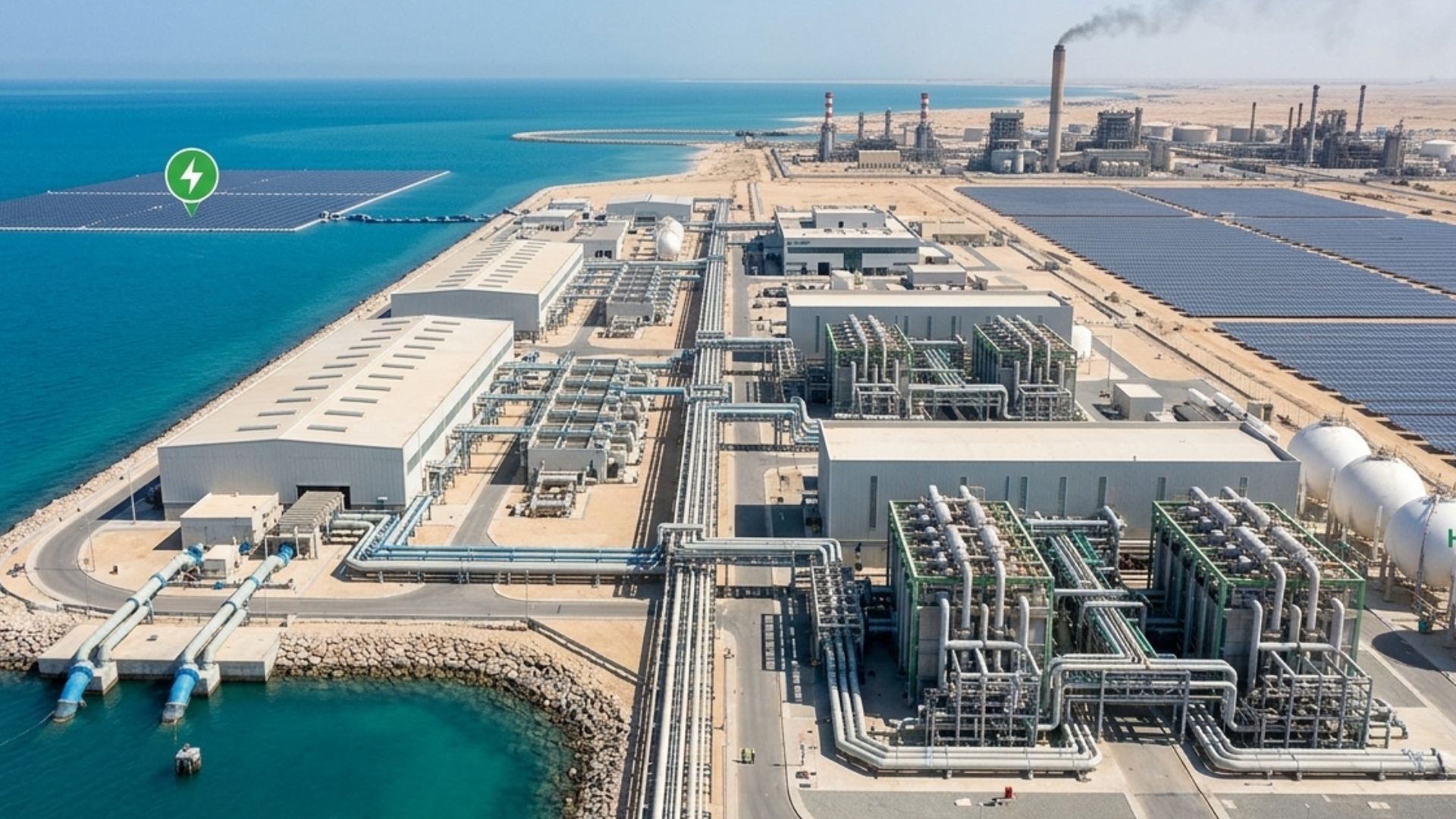
The world has bet on green hydrogen as the fuel of the future, but now faces the side effect: producing 1 kilogram requires about 9 liters of ultrapure water, and the largest projects on the planet are precisely in the driest regions of the Earth, where water is already scarce for people.




The Historical Weight of International Cooperation
The energy transition is not a recent topic. Since the Industrial Revolution, dependence on fossil fuels has shaped economies, societies, and international relations. Coal, oil, and natural gas have become pillars of economic growth but have also brought severe environmental consequences.
Since the 1970s, with the first oil crisis and the intensification of environmental debates, concerns about the need to diversify the energy matrix emerged. Since then, climate conferences, such as the COPs, have played a central role. COP21 in Paris, for example, marked a global milestone by establishing goals to limit global warming. Now, with the approaching COP30 in Belém, expectations are rising for concrete actions.
This new agreement, signed by Brazil and other countries, signals that the current decade will be decisive. The signatories argue that this period will define the course of global sustainability, and any delay could compromise future climate goals.
Moreover, the pact recognizes that the energy transition must include the preservation of ecosystems and the protection of vulnerable communities, ensuring that economic development does not come at the expense of the environment or social justice.
Clean Energy as the Central Axis of the Transition
Today, investments in renewable energies already surpass those for fossil fuels, but inequalities still persist. Regions like Africa and Asia face significant challenges in financing and implementing projects. The pact acknowledges this disparity and creates the Global Energy Transitions Forum to support developing countries.
This forum will bring together governments, businesses, banks, and international institutions. The goal will be to increase investments, reduce risks, and promote inclusive policies. The central idea is to democratize access to clean energy, allowing all nations to advance together.
The movement also demonstrates that the energy transition goes beyond environmental issues. It is a model of development that includes social justice, technological innovation, and strengthening energy sovereignty. Brazil, for example, stands out for its diversified matrix, with a strong presence of hydropower, wind, solar, and biomass.
Additionally, the active participation of private companies and startups will be essential. Investments in research and development, energy efficiency, and sustainable solutions will ensure that the transition happens at an accelerated pace, without leaving regions or sectors behind.
Brazil and Its Leadership in the Energy Scenario
By positioning itself at the forefront of this pact, Brazil seeks to reaffirm its role as a renewable energy powerhouse. With vast natural resources, the country has the capacity to become a global reference in clean energy. Participation in the development of international commitments strengthens its image and attracts strategic investments.
Moreover, Brazil benefits from a favorable historical context. Since the 2000s, public policies have encouraged the expansion of wind energy and, more recently, solar energy. The Incentive Program for Alternative Energy Sources (Proinfa), created in 2002, was a milestone in this process. Today, the country ranks among the top ten producers of wind energy in the world.
This trajectory highlights how the combination of abundant natural resources and consistent policies can yield solid results. By signing this agreement, Brazil demonstrates its intention to further expand its leadership in the energy debate.
Furthermore, the country seeks to share its experience with biofuels and biomass, offering models of public policies that can be replicated by other developing nations.
Reforming Global Financial Structures
One of the key points of the document is the need to reform the international financial structure. Many developing countries face obstacles in accessing resources to finance the energy transition. High-interest rates, bureaucracies, and institutional barriers limit the ability to invest in sustainable projects.
In this scenario, the signatories advocate for changes that facilitate access to credit lines, encourage public-private partnerships, and ensure that climate commitments translate into real actions. This transformation depends on global cooperation, as the climate crisis knows no borders.
Thus, the agreement aims to create mechanisms that make investments in renewable energies more accessible and attractive. By expanding financing conditions, it will be possible to accelerate projects, reduce inequalities, and consolidate a sustainable economic model.
A Sustainable Future Depends on Today’s Choices
Looking toward the horizon of 2030, it is clear that the established goals require immediate action. Tripling clean energy generation and doubling energy efficiency is not a simple task, but it is urgent. Cooperation among countries, coupled with technological advancement and societal engagement, will be decisive for success.
This pact shows that leaders understand the decisive nature of the current decade. The choices made now will determine whether the world moves toward a sustainable, just, and prosperous future or remains stuck in outdated models.
In addition to representing hope, the agreement also symbolizes responsibility. Governments, businesses, and citizens need to turn commitments into actions. Only then will it be possible to ensure that the energy transition occurs in a balanced manner, benefiting economies and people.
Moreover, international cooperation will accelerate research in clean technologies, create skilled jobs, and strengthen sustainable supply chains, making the transition process more resilient.
Unity as a Response to the Climate Crisis
The agreement signed between Brazil and 16 countries reaffirms that global unity is the only possible response to the climate crisis. It revitalizes the importance of international cooperation and reinforces the idea that the energy transition should be clean, just, and accessible to all.
History shows that significant human advancements occurred when nations united around common goals. Now, the challenge is to ensure that this alliance produces concrete results, transforming goals into tangible realities.
Therefore, by joining forces for energy transition, countries commit to rewriting the global energy future. This decision represents not only an environmental policy but also a development strategy that integrates economy, society, and nature.