Portuguese
  Spanish


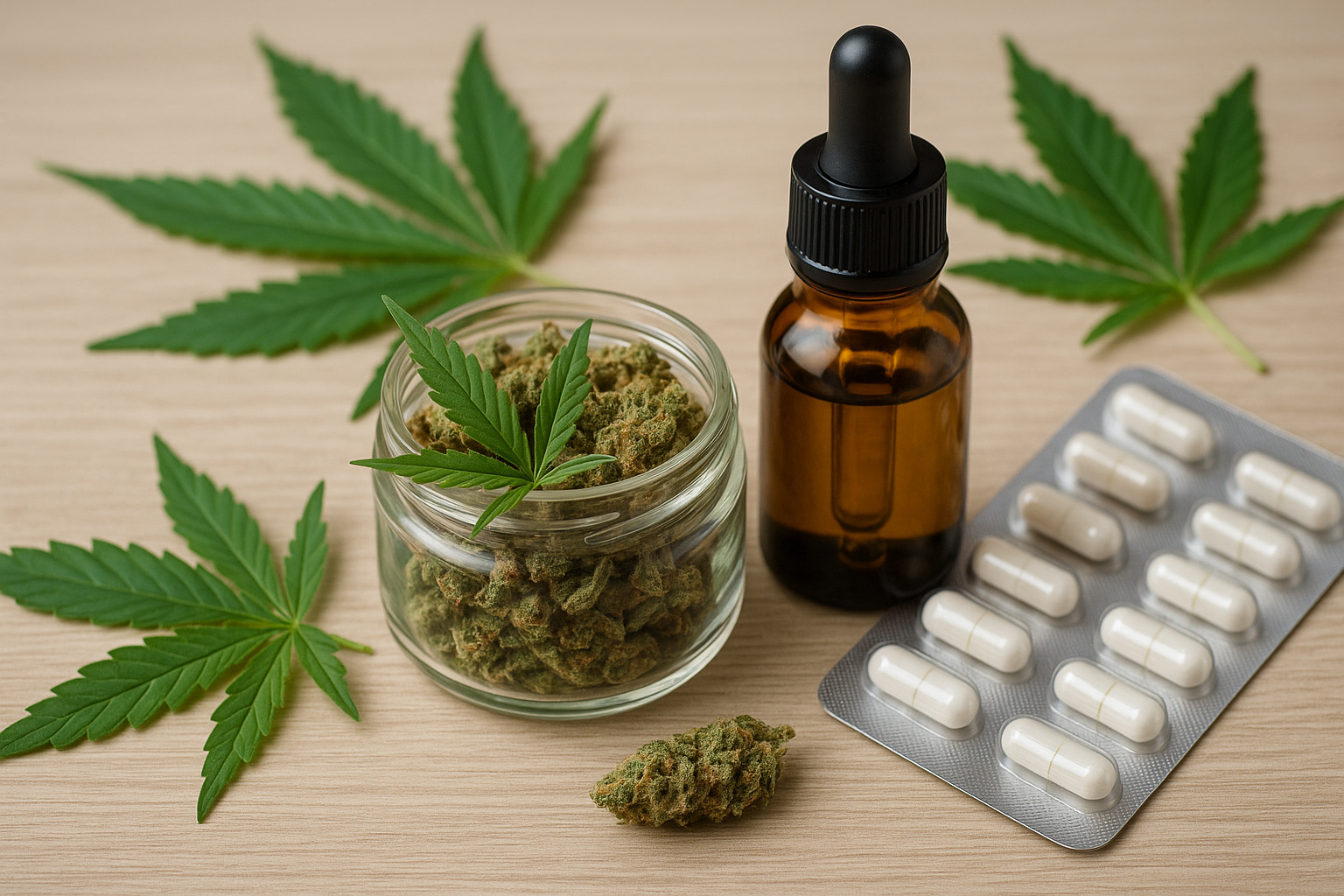


Regulation Can Transform The Industry, Create Jobs, And Make The Country A Strategic Competitor In The Medicinal And Sustainable Sector
A decision with significant economic and social impact is underway in Brazil, following the end of the deadline set by the Superior Court of Justice (STJ) on September 30, 2025. The ruling obliges the Anvisa and the Union to define whether the cultivation of hemp will be regulated or permanently prohibited. As a result, the future of a billion-dollar market now depends on this decision.
According to the Escolhas Institute, in a study published in June 2025, the national market for cannabis-derived medicines is expected to generate R$ 1 billion this year. Moreover, it could reach R$ 6 billion by 2030, establishing itself as one of the largest opportunities in the green economy in the country.


Technical Investigation Reveals Productive And Economic Potential
Hemp, a variant of cannabis with a THC content of 0.3% to 0.5%, differs from traditional marijuana by not having significant psychoactive effects. On the other hand, concentrations above 3% classify the plant as a recreational drug. This scientific distinction is at the center of Anvisa’s regulatory caution.
-
Brazilian Startup Turns Coffee Grounds into Plant-Based Leather, Cutting Water Use by Over 50 Times for High-Impact Sustainable Fashion

-
Eco Invest Auction Aims to Unlock $10 Billion in Investments, Focusing on Green Fertilizers, Critical Minerals, Batteries, and AI for Clean Industry in Brazil

-
Half of Brazilians Prefer Lower Taxes with Private Health and Education, While 44% Opt for Higher Taxes for State-Provided Services, Datafolha Survey Reveals

-
Brazil’s Most Expensive Toll Rises to R$ 40.60 on Route from São Paulo to the Coast, Nearly Matching Bus Fare to Santos



To meet projected demand, Brazil would need to cultivate 64,000 hectares by 2030, requiring an investment of R$ 1.23 billion. Thus, the expected return would be R$ 5.76 billion in net revenue and the creation of 14,500 direct jobs. In practice, the country would profit nearly five times more than the initial investment, reinforcing the urgency of regulation.
Economic And Social Impacts Of Regulation
The global hemp market is expected to reach US$ 48 billion by 2025 and attain US$ 700 billion by 2033, with US$ 120 billion just in medicines, according to data from Business Research Insights. Meanwhile, countries like Uruguay, Paraguay, and Colombia have already advanced with liberal policies and are economically exploring the plant, which places further pressure on Brazil.
In Brazil, experts emphasize that authorization could represent a revolution in public health. Cannabis-based medicines have already shown effectiveness in treating depression, anxiety, insomnia, epilepsy, Parkinson’s, Alzheimer’s, and endometriosis. Moreover, derivatives have industrial uses in cosmetics, textiles, construction, and functional foods.
Scientific Race And Regulatory Challenges
Despite the regulatory delay, some progress has already been made. In 2015, professor Vanessa Stein, from the Federal University of Lavras (MG), obtained extraordinary authorization from Anvisa to cultivate hemp in a laboratory. Her research with biotechnology applied to the genetic improvement of the plant received R$ 1.2 million in funding from Fapemg in 2025.
According to Stein, regulation would broaden access and reduce costs. “Today, cannabis medicines can cost up to R$ 600 in pharmacies,” she states. Additionally, Daniela Bittencourt, executive secretary of Embrapa’s cannabis committee, warns that Brazil could recover decades of delay in just 15 years, if public policies encourage research and production.
Planning For Sustainable Exploration
The use of hemp also brings environmental gains. Rafael Giovanelli, from the Escolhas Institute, emphasizes that the plant can replace cotton, which occupies 3.5% of Brazil’s agricultural area and accounts for 10% of national pesticide consumption. Unlike cotton, hemp requires no chemicals, consumes little water, removes carbon from the atmosphere, and results in more durable products.
These characteristics reinforce the view that the plant could become one of the pillars of the green economy in the 21st century. Thus, besides strengthening the textile industry, hemp paves the way for more sustainable agricultural practices aligned with decarbonization goals.
Hemp In Global Context
Countries such as The United States, Canada, France, England, and China have advanced research and exploration of hemp for decades, reaping economic and technological benefits. However, in Brazil, Anvisa’s decision could define whether the country will remain on the sidelines of the international race or turn its agricultural potential into global leadership.
The example of neighboring South American countries and the pressure from productive sectors reinforce the urgency for a definition. Additionally, testimonies from patients who already use cannabis-based medicines, such as cultural producer Anamaria Boschi, 48, demonstrate a growing demand for more accessible therapeutic alternatives.
What Does The Future Hold For Brazil?
With fertile lands, a favorable climate, and robust scientific institutions, Brazil has the potential to become a leader in the global hemp market. However, the future will depend on Anvisa’s decision, which needs to balance innovation, public health, and sustainability.
The dilemma is now clear: should the country quickly regulate hemp to harness its economic and medicinal potential or take a more cautious approach, ensuring that exploitation occurs within strict safety and sustainability standards?