Portuguese
  Spanish


The New Porsche Cayenne Will Be The First Electric Car With Inductive Charging. Discover The Details Of The Technology That Dispenses Cables, Eases Daily Use, And Can Transform The Future Of Mobility.
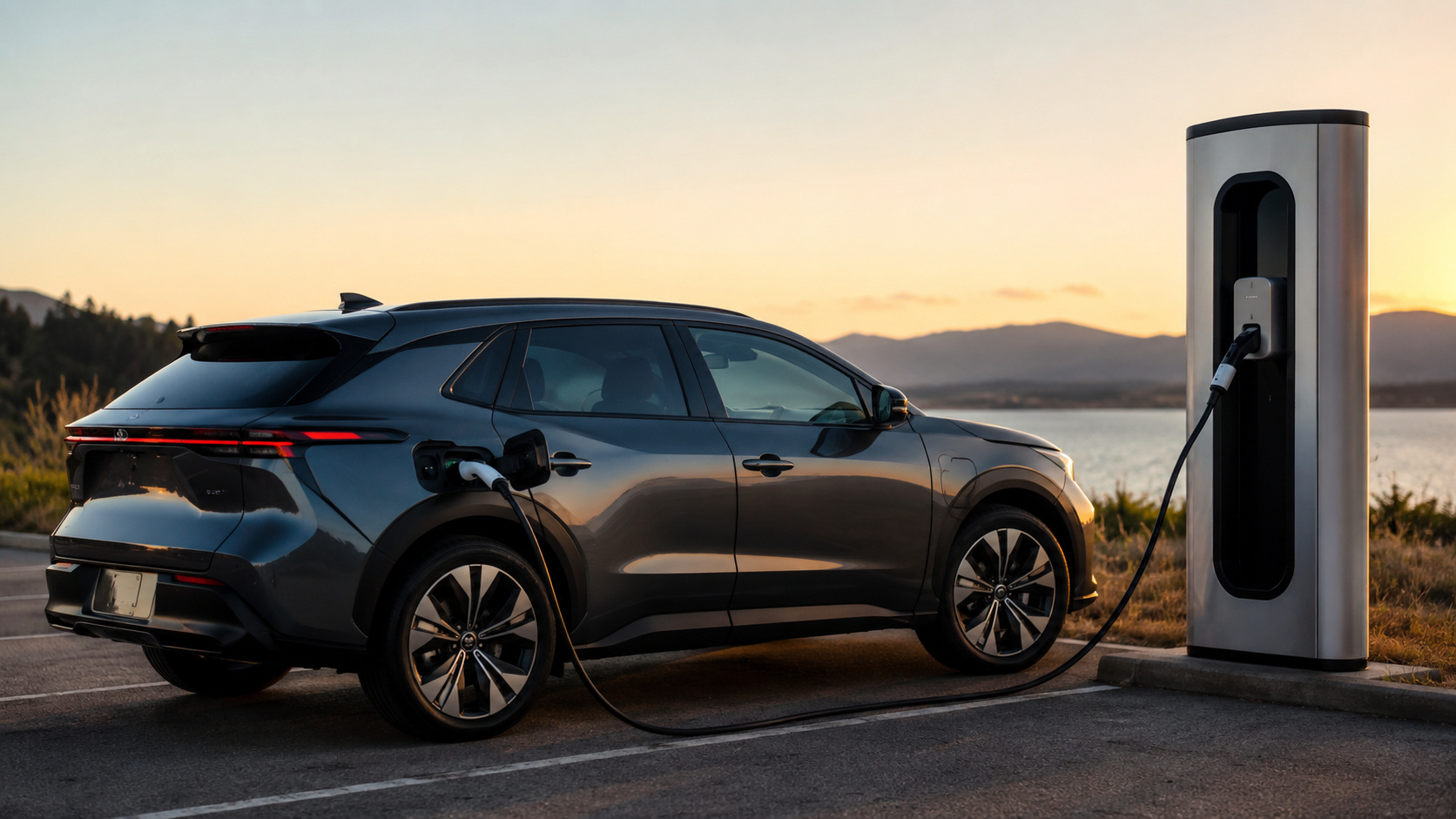
Porsche is about to launch an innovation that could change the way drivers interact with their electric vehicles, as reported by Xataka this Wednesday, 09/10. The new Porsche Cayenne, expected to hit the market by the end of the year, will be the first production electric car with inductive charging.
This technology, which until now has been applied in medical devices and cell phones, is now gaining ground in one of the most sophisticated SUVs from the German automaker.
Inductive Charging: An Old Idea In A New Context
Although it seems futuristic, the concept is not exactly new. In the 1990s, inductive charging was already used in medical equipment, such as pacemakers and insulin pumps. In the following decade, it became common in everyday items, such as electric toothbrushes.
-
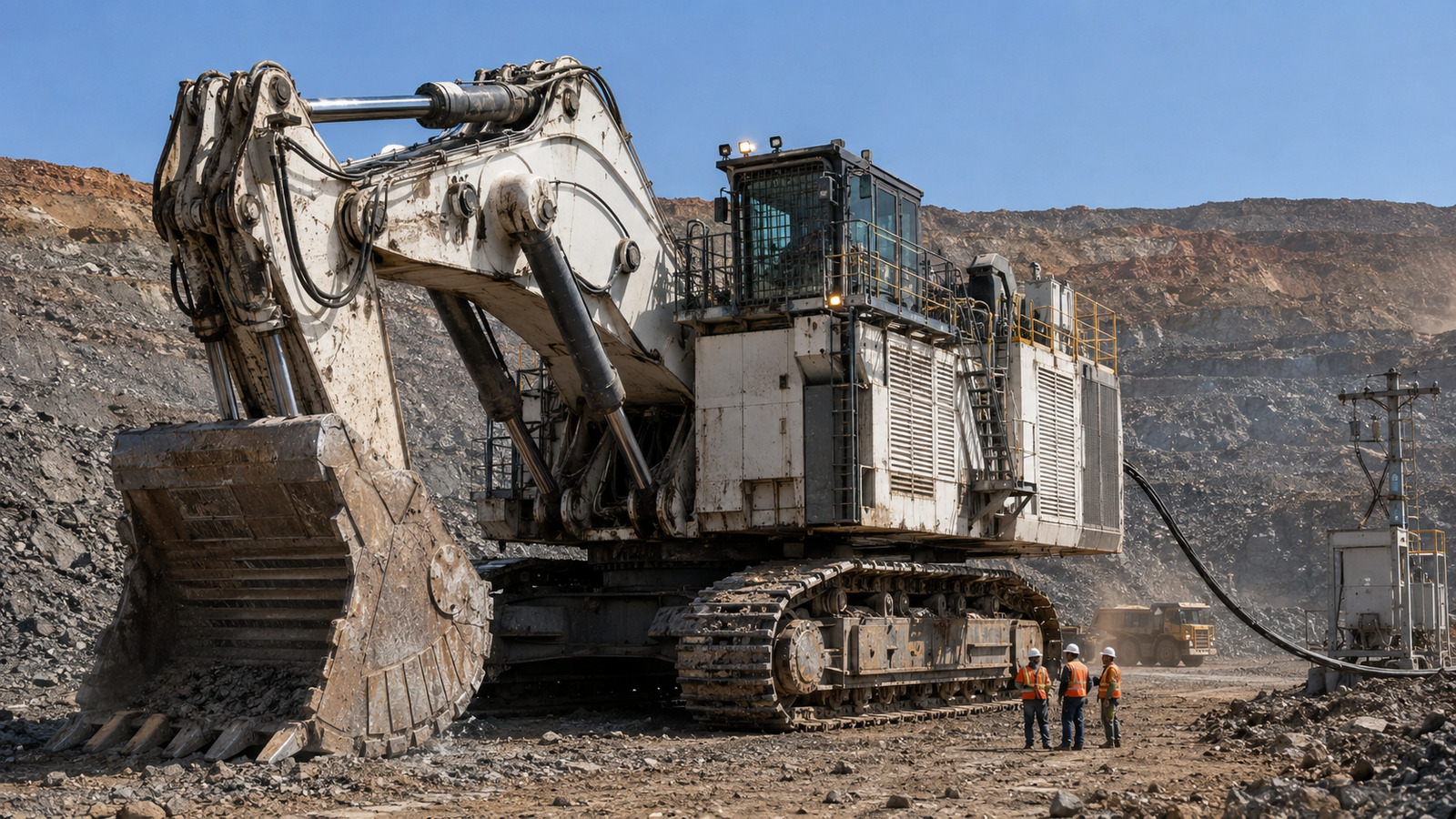
Unprecedented achievement in India: a colossal 650-ton, nearly 3,000 hp excavator is transformed into 100% electric, marking a new phase in heavy mining.

-
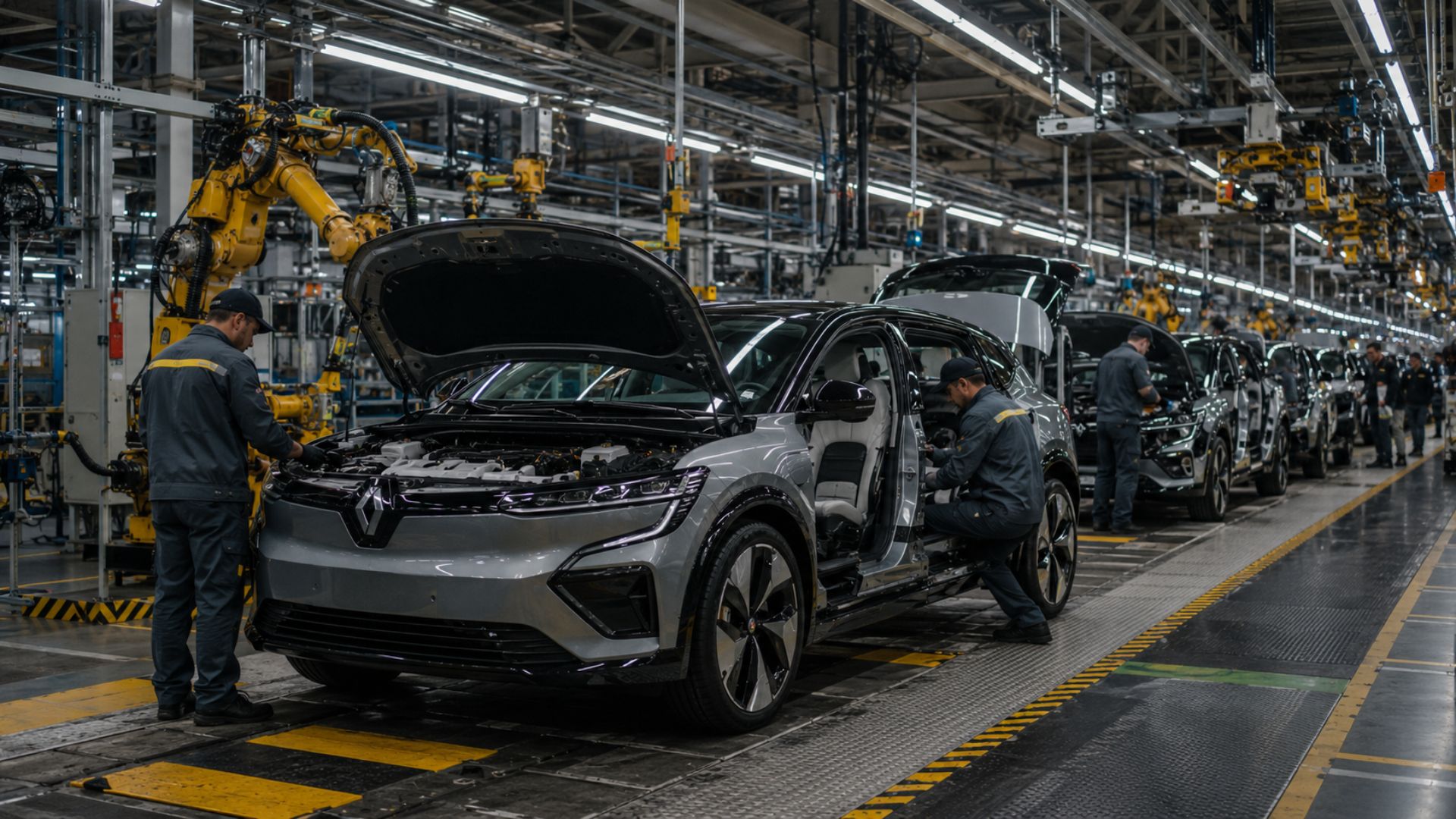
Frightened by the speed of Chinese manufacturers, Renault decided to mimic the pace, made the new electric Twingo in just 21 months, wants to repeat the feat with 36 models by 2030, and along the way, will cut up to 2,400 engineering positions.

-
Chinese battery from Dongfeng promises to exceed 1,000 km without relying on liquid electrolyte, and the detail behind the technology could change the electric car competition.

-
The end of the automotive combustion era has already begun, but many in Brazil have not yet realized the magnitude of the shift towards Chinese electric cars.
More recently, the same logic was applied to smartphones, making users’ routines easier. Now, Porsche brings this convenience to the automotive world, turning the electric car into an even more practical ally.
The charging process has been compared by the brand itself to that of an electric toothbrush. The base, called Porsche Wireless Charge, connects to the power grid and is installed on the garage floor or parking space. Simply park the vehicle over the platform for charging to begin automatically.
The electric Cayenne features air suspension that lowers a few centimeters to align perfectly with the base. Communication between the car and charger is done using ultra-wideband technology, ensuring correct positioning. Integrated cameras assist the driver in the process, and a dashboard alert confirms when everything is ready. Thus, just engaging the handbrake will start the energy transfer.
Power And Practicality In One SUV
In inductive charging mode, the maximum power is 11 kW. While this is far from the impressive 400 kW achieved by direct current charging, the capacity is more than sufficient for home use. The difference lies in practicality: there is no need for cables, nor to get out of the vehicle to start or stop the charge.
Moreover, the next generation of the Cayenne, internally known as project E4, will also support ultra-fast charging via cable, reaching levels higher than other models from the brand, such as the Taycan and Macan. This means the SUV will not only be innovative but also competitive among the world’s fastest charging electric cars.
Safety And Durability In Any Condition
One of the main concerns about wireless charging is safety. According to Porsche, the system was designed to withstand different weather conditions. The base is weatherproof, functioning normally even in rain or snow.
Another striking point is the sturdiness of the structure. Even if a vehicle passes over the charging plate, there is no risk of serious damage. With a length of 117 cm, a width of 78 cm, and only 6 cm in height, the device weighs 50 kg and can be installed in both closed garages and outdoor spaces.
Additionally, the brand assures that the installation process is practical. According to an official statement:
“It is easy to use and can be installed in a garage or outdoor parking space and connected to the power grid. As usual, customers will be assisted by Porsche’s installation service. Upon request, an electrician will install the inductive floor plate and set it into operation.”
Another advantage lies in the system’s software. Thanks to an LTE module and WLAN connection, the platform can receive remote updates, ensuring continuous improvements without the owner having to perform complex maintenance.
Advantages Of Wireless Charging In Daily Life
Among the main benefits of the new feature is convenience. Drivers do not need to worry about connecting or disconnecting cables, something that represents a significant time gain. This simplicity also eliminates the need to install a traditional charging point at home, which can be unfeasible in many properties.
As a result, the Porsche Cayenne electric car becomes an option that combines sophistication, performance, and ease of use, bringing the automotive experience closer to the convenience already experienced by those using wireless cell phone chargers.
Experts believe that inductive charging could become standard in the automotive industry. After the Cayenne, the expectation is that other Porsche models will adopt the technology. In the medium term, it may also spread to competing brands, becoming as common as wireless chargers for smartphones.