Portuguese
  Spanish




counting on the expected resumption of operations in mid-next year, thereby promoting the increase of production and economic movement in the region. The plant, which has been facing difficulties, will be able to reinvent itself and contribute to the strengthening of the automotive sector in the country.
It is still not completely defined which vehicles will be launched in the country, but speculations center on the models Omoda 5, Jaecoo 5, and Jaecoo 7. It is important to highlight that the brand’s largest SUV, the Jaecoo 9, is already registered with the National Institute of Industrial Property (INPI).
If it is not possible, the director stated that he already has an alternative plan in mind — to establish a factory in another nearby municipality. “Brazil represents 80% of the market in South America. If we do not succeed in this market, it will be very difficult to thrive in the region.”
The subdivisions of Chery announced that they will introduce three car models in the country initially — one under the Omoda brand and two under the Jaecoo brand. All, however, will be electric vehicles, aiming to compete with Chinese companies GWM and BYD.
-
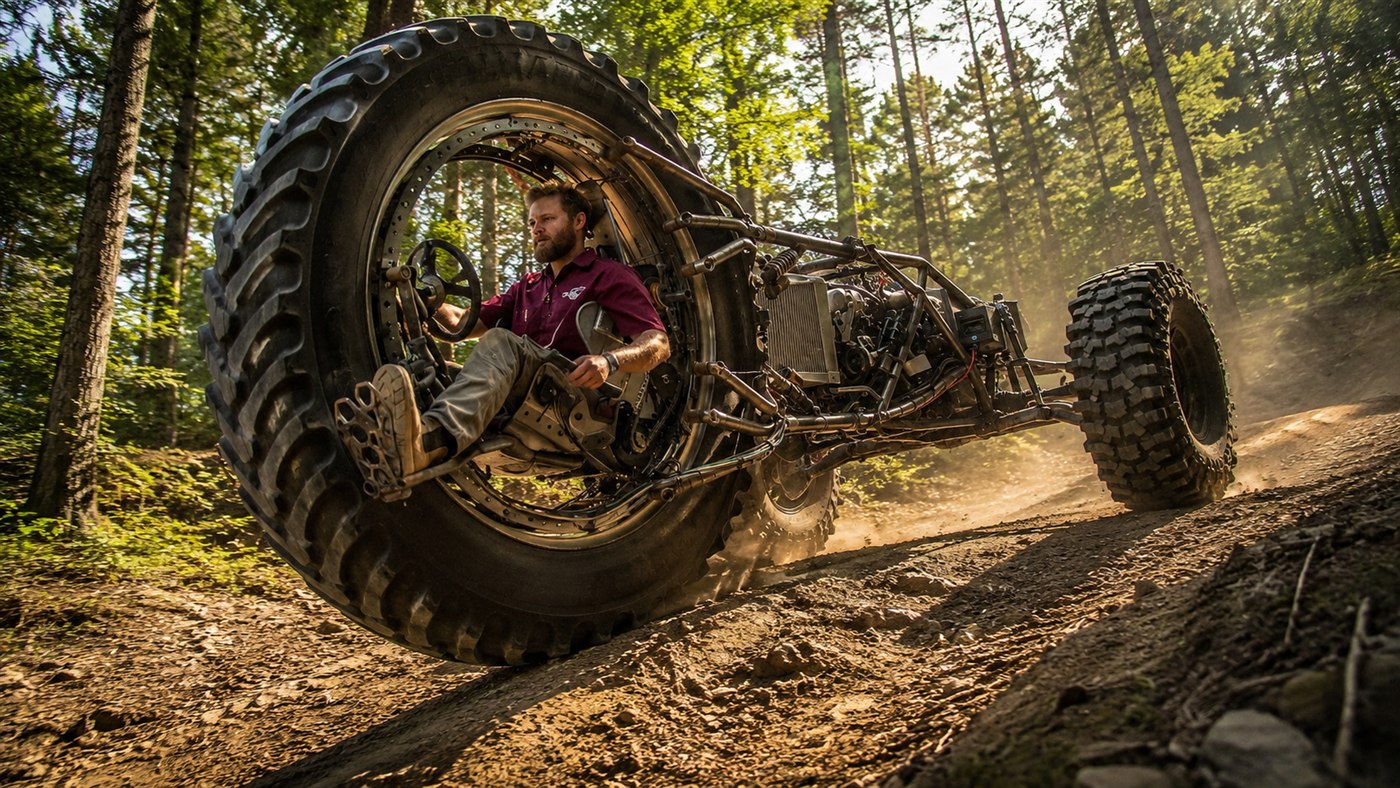
Workshop Converts Giant Tractor Tire Tricycle into a Three-Wheel Drive Hybrid with 36,000-Watt Electric Motor Capable of Climbing Hills

-
Sales of Brazil’s Cheapest Electric Car Halted Before First Deliveries: E-Motors Suspends Emova Easy Due to Import Tax Increase and Rising Freight Costs

-
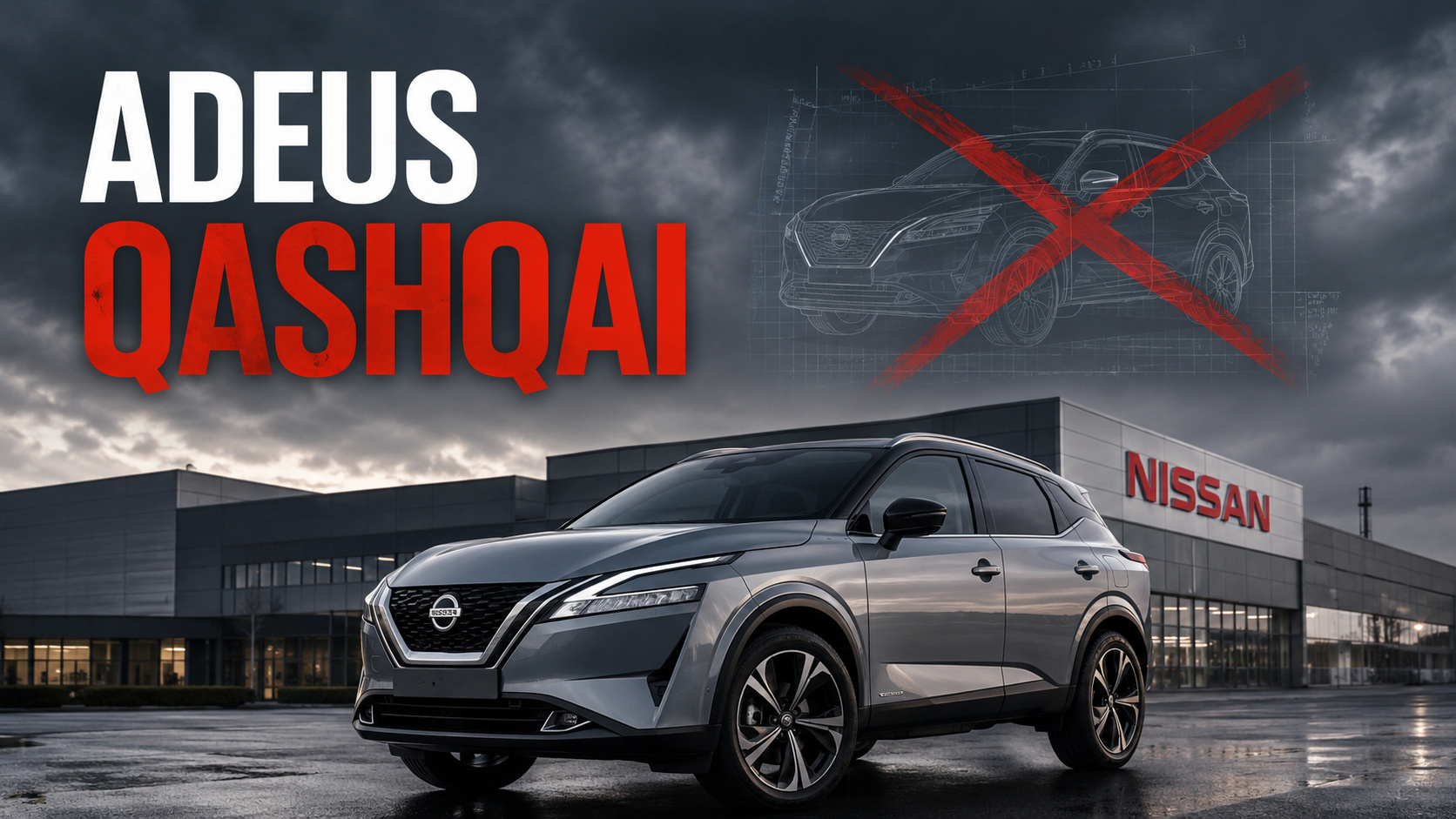
Nissan Discontinues Qashqai SUV Amid Cost-Cutting, Chinese Competition, and Product Line Review

-
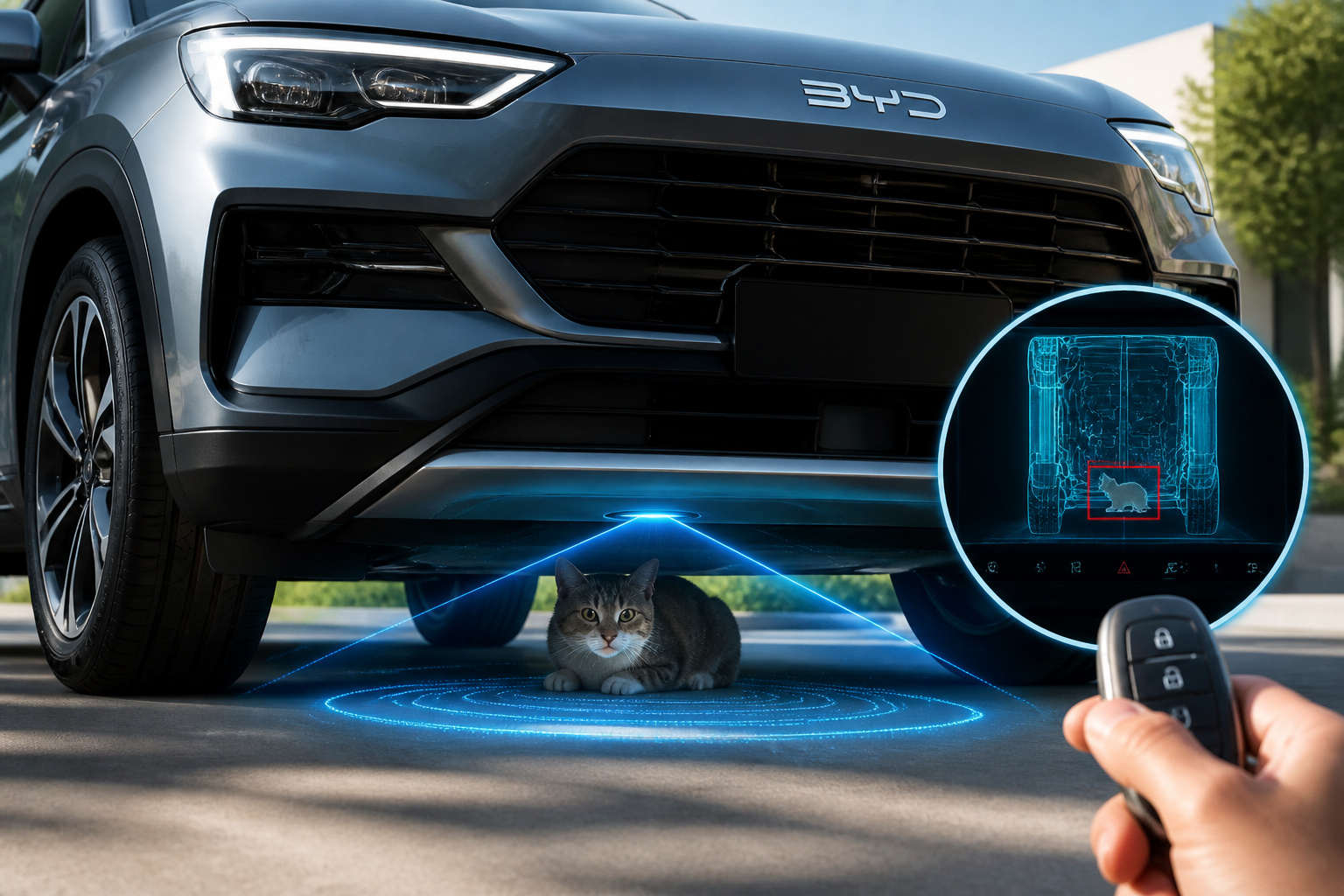
BYD Patents Revolutionary System Using Computer Vision to Detect Animals Under Cars Before Starting, Preventing Tragedies


Industrial Plant in Jacareí is Target of Omoda/Jaecoo Executive
The facility that piques the interest of the Omoda/Jaecoo executive is located in Jacareí, a city in the interior of São Paulo. This factory was established by Chery in 2014 but temporarily ceased operations in 2022, with plans to resume its activities in 2025.
Shawn Xu, who served as site director between 2019 and 2022, expressed his intention to produce in Brazil, more specifically in Jacareí, and to invest in the factory. However, he revealed that he is facing obstacles due to a dispute with Caoa and is determined to do everything possible to persuade the Brazilian side of the partnership to release the industrial complex.
“We want to produce in Brazil, in Jacareí, and invest in the factory, but there is a dispute with Caoa that prevents us,” revealed Shawn Xu.
The brands Omoda and Jaecoo, from China, are preparing to enter the Brazilian automotive market. Both are part of the Chery group and are in the expansion phase, without the involvement of Caoa. The main goal is not only to import cars electrified for Brazil, but also to start local production.
In an interview with Motor1, Shawn Xu, vice president of Chery International and CEO of Omoda/Jaecoo, revealed that the plan is to use an already existing factory in Brazil for the production of vehicles. This move represents a significant step for the expansion of the Chinese automotive industry in Brazil, promising to bring more options to consumers and create jobs in the country.
Source: Canal Tech