Portuguese
  Spanish




China Inaugurates Automated 20-Story Vertical Farm in Chengdu with AI that Controls Light, Irrigation, and Nutrients for Large-Scale Agricultural Production.
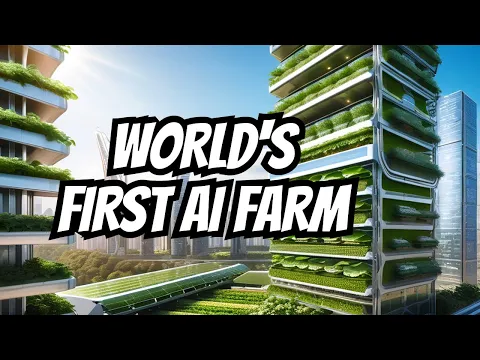
In recent years, China has made significant advancements in large-scale vertical farms, including the inauguration of a project described as the world’s first fully automated 20-story vertical farm, located in Chengdu, Sichuan Province. This venture was developed by the Institute of Urban Agriculture of the Chinese Academy of Agricultural Sciences (CAAS) and utilizes AI-based control to monitor and adjust light, irrigation, nutrients, and other essential environmental factors.
Vertical Agriculture as a Response to Urbanization and Land Scarcity
In Chengdu, the capital of Sichuan Province in the southwest of China, one of the largest and most advanced automated vertical farms in the world was inaugurated, an agricultural tower with 20 stories of indoor cultivation, designed to produce vegetables in controlled environments without soil.
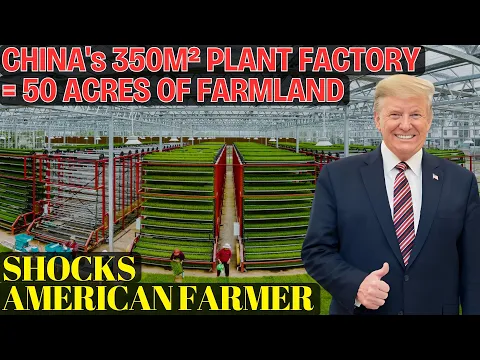

Developed by the Institute of Urban Agriculture of the Chinese Academy of Agricultural Sciences, the project marks a technological milestone in modern agriculture, integrating robotics, artificial intelligence, and automated environmental systems to cultivate crops in rapid cycles — some in around 35 days — and overcome space and climate limitations typical of traditional growing methods.
-
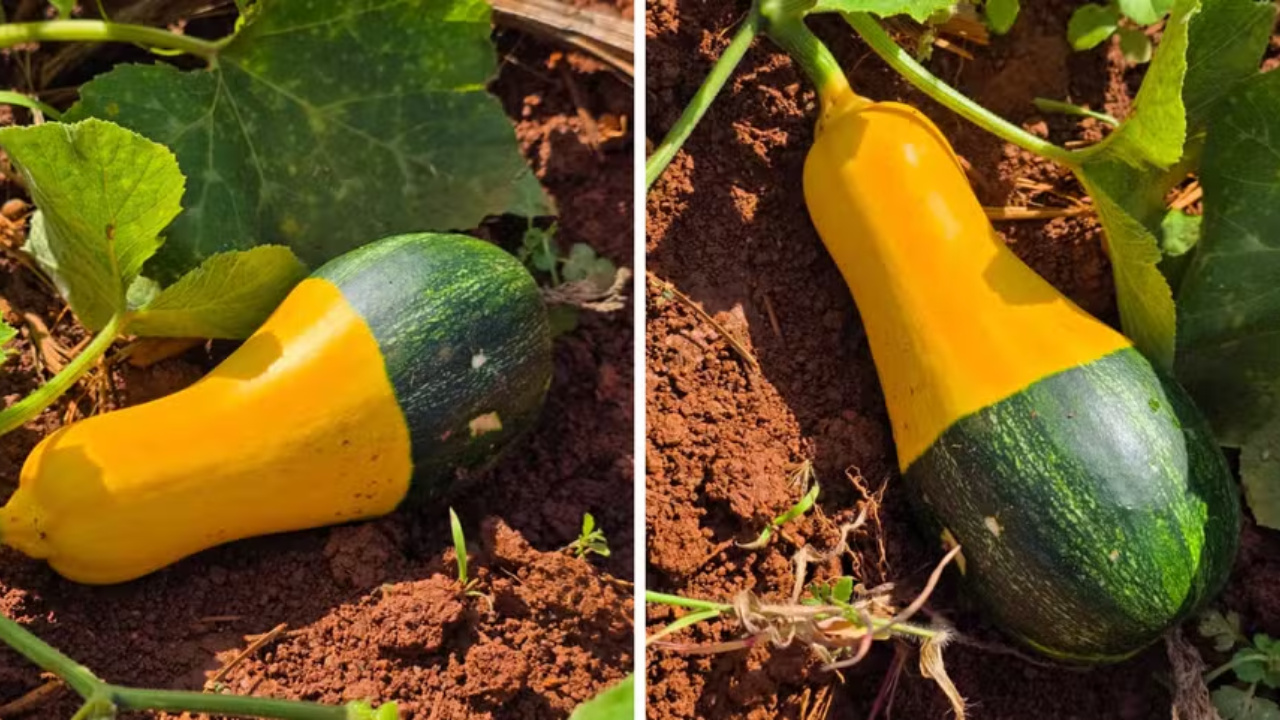
Bicolor Pumpkin Resembling Hand-Painted Art Discovered by Brazilian Researchers in the Capital Due to “Spontaneous Mutation”

-
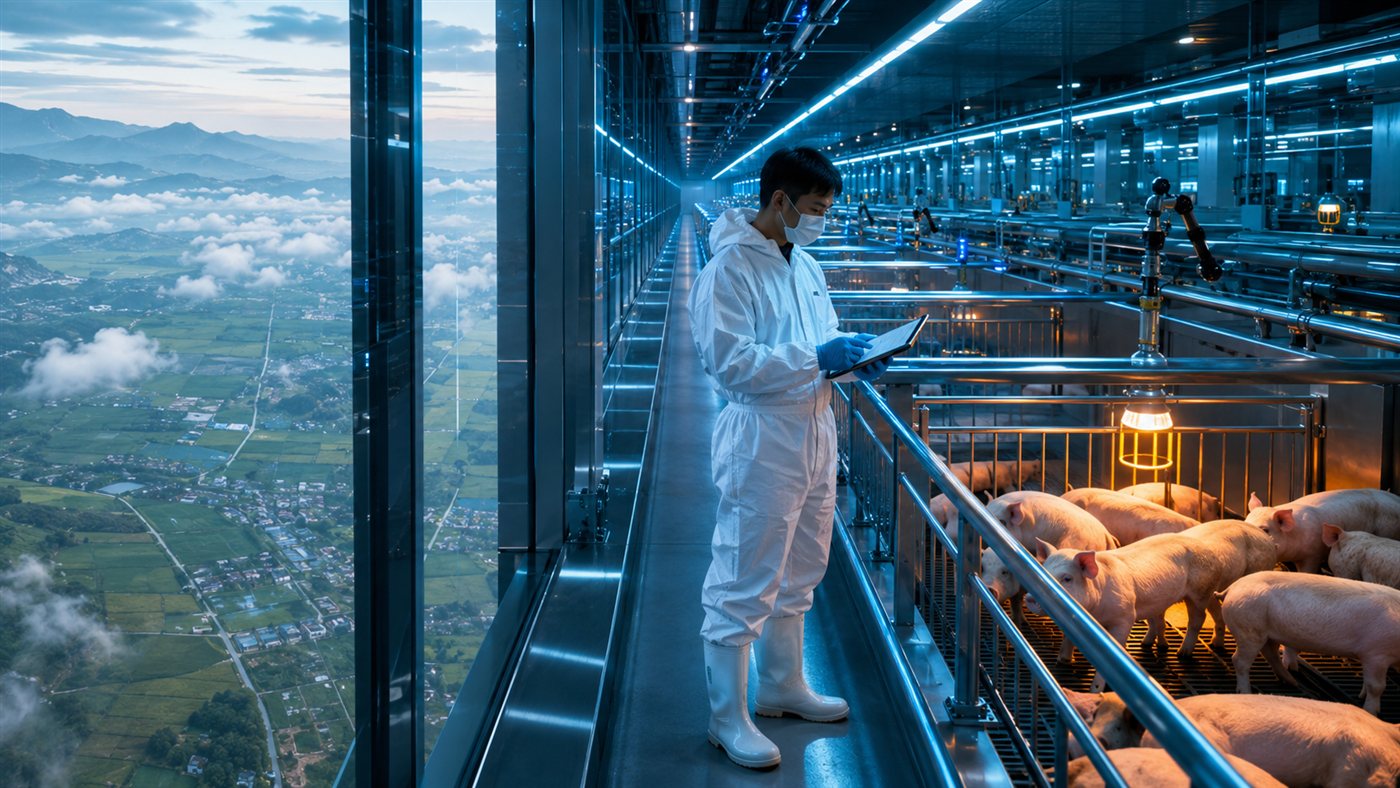
In China, a 26-story building produces 1.2 million pigs annually, revolutionizing livestock farming with tube feeding and AI surveillance.

-
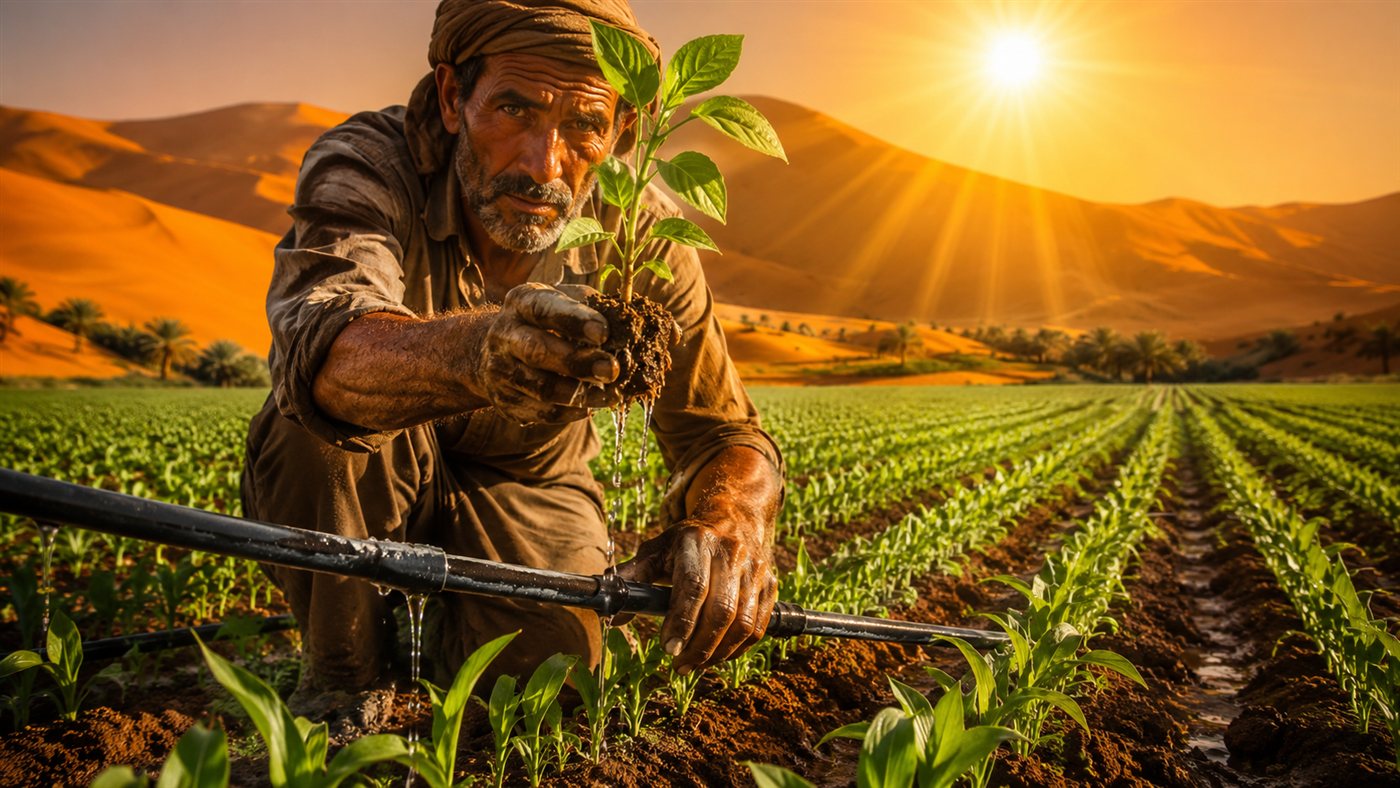
With Nearly 60% Desert, Israel Desalinates Seawater and Recycles 90% of Wastewater to Build a Billion-Dollar Agricultural Powerhouse in Dates and Cotton
-
74-Hour Barbecue in Brazil Sets World Record: 3.4 Tons of Meat, 10,500 Meals Served


This approach represents a concrete effort for innovation, supported by state policies on food security and reducing reliance on agricultural imports to ensure local food production in large urban centers and regions with limited arable land.
How the 20-Story Vertical Farm Works
Automated Multi-Story Structure
The vertical facility combines several advanced systems:
- Vertical shelf walls with multi-layer cultivation, maximizing space use in compact urban buildings;
- Optimized LED lighting for different growth stages, combining light spectra for energy efficiency and maximum photosynthesis;
- Precision irrigation, controlled nutrients, and environmental sensors that maintain ideal temperature, humidity, and CO₂ for each type of crop;
- Management with AI and robotic automation for seeding, monitoring, harvesting, and packaging without daily human intervention;
These systems allow the farm to operate in continuous production cycles year-round, releasing crops more frequently than would be possible in conventional farming, as well as reducing losses due to adverse weather or pests.
Agronomic Advantages and Potential Impact
Intensive Production with Less Space
Despite occupying a relatively small footprint, around a few hundred square meters, vertical cultivation can multiply production per area compared to traditional agriculture.
Fast Growing Cycles
Some crops, like lettuce and leafy greens, achieve a cycle of just 35 days from seed to harvest, allowing for multiple harvests each year within the same infrastructure.
Reduction in Pesticide Use
Controlled and enclosed environments reduce the need for systemic pesticides or herbicides, making the products potentially safer and more appealing to urban markets that value fresh and clean food.
Independence from Climate and Soil
By not relying on fertile soil or stable climate for production, these farms can be installed in urban areas, deserts, or regions where conventional agriculture is unfeasible.
Technical Challenges and Limitations
Despite the advancements, vertical farming faces hurdles:
Energy Consumption
Maintaining LED lighting, climate control, and automated systems can require significant energy, although optimizations and AI reduce consumption over time;
High Initial Costs
Building and installing farms with dozens of stories and integrated technology requires high investments in technology and infrastructure — a challenge in countries with fewer resources.
Scalability and Economic Viability
Even with intensive production, costs remain high compared to conventional agricultural methods in regions rich in fertile land, requiring government incentives and continuous innovation.
Global Context and Future Trends
China is not alone in this transition. Countries like Denmark are also expanding vertical farm projects that plan to produce thousands of tons of vegetables per year in urban structures, showing that the technology is becoming a reality in different parts of the world.
Furthermore, in Brazil itself, there are increasing discussions about tax incentives and national programs for urban vertical agriculture, such as proposed laws aimed at promoting this technology as a food security strategy.
Large-scale vertical farms, like the Chinese installation of 20 stories in Chengdu, represent a technological leap integrating robotics, AI, and smart environmental systems to grow food intensively in environments that were previously unsuitable for agriculture.
These projects demonstrate the potential to address rapid urbanization, the reduction of agricultural land, and the need for resilient and sustainable food systems.