





 Portuguese
  English
  Spanish
 3 min of reading


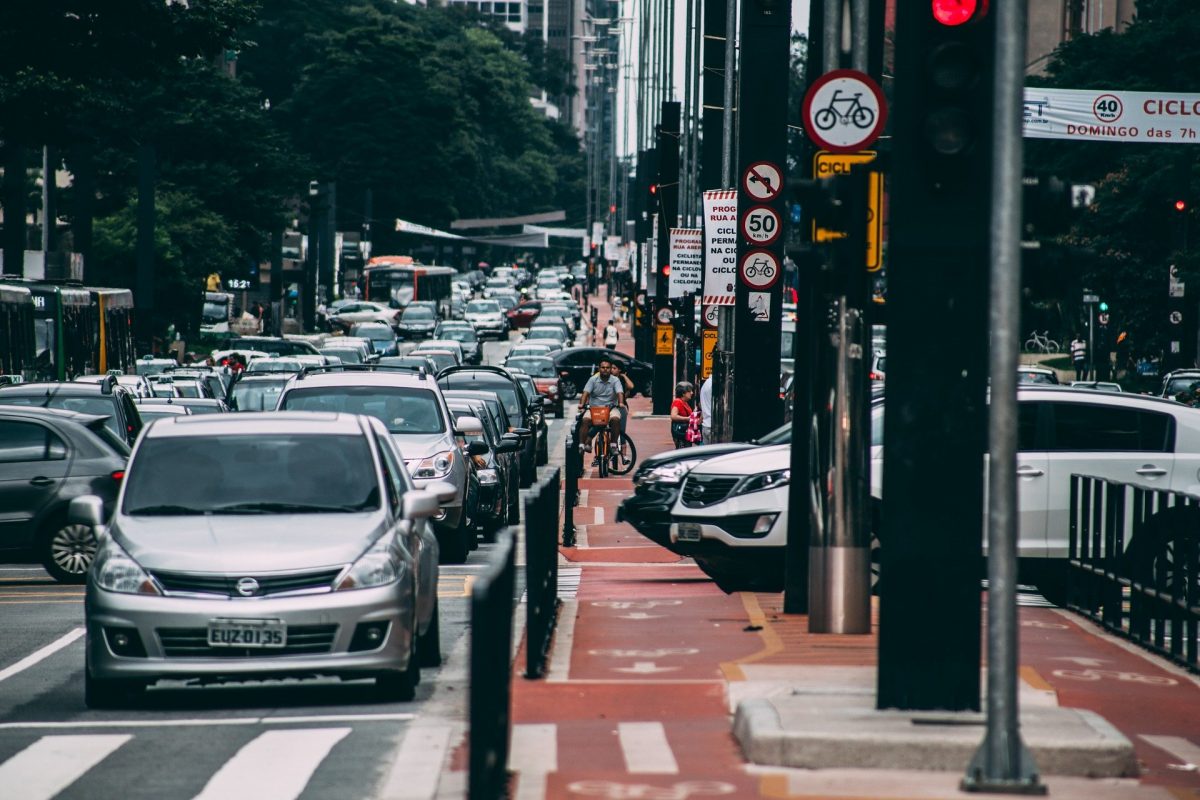
The Traffic Engineering Company (CET) Announced a Significant Change in Its Methodology for Measuring and Monitoring Traffic in the City of São Paulo.
Starting this Friday (3), it will be possible to track congestion on the streets and avenues of the capital, which until now were not considered in the index published by the municipal agency. This is the first time since the launch of traffic monitoring, nearly 40 years ago, that 95% of the municipal roads will be taken into account to measure congestion.
An addition of over 19,000 kilometers has been added to CET’s scope – a staggering leap compared to the 868 kilometers surveyed in the last 13 years. With this innovation, São Paulo residents will finally have a complete overview of the traffic in the city, which has about 20,000 kilometers of streets and avenues.
The change came to provide more peace of mind and predictability to drivers navigating the capital. The City of São Paulo announced that congestion numbers starting this Friday cannot be compared to the past. The reason is the use of a new historical series of congestion, which indicated over 290 kilometers of congestion at 10 a.m. on this Friday.
-
As the South of Brazil prepared for the most intense polar air of 2026, a gale with winds over 60 km/h destroyed 200 homes in Ponta Grossa and cut power to 7 neighborhoods in Porto Rico in the wake of storms across Paraná.

-
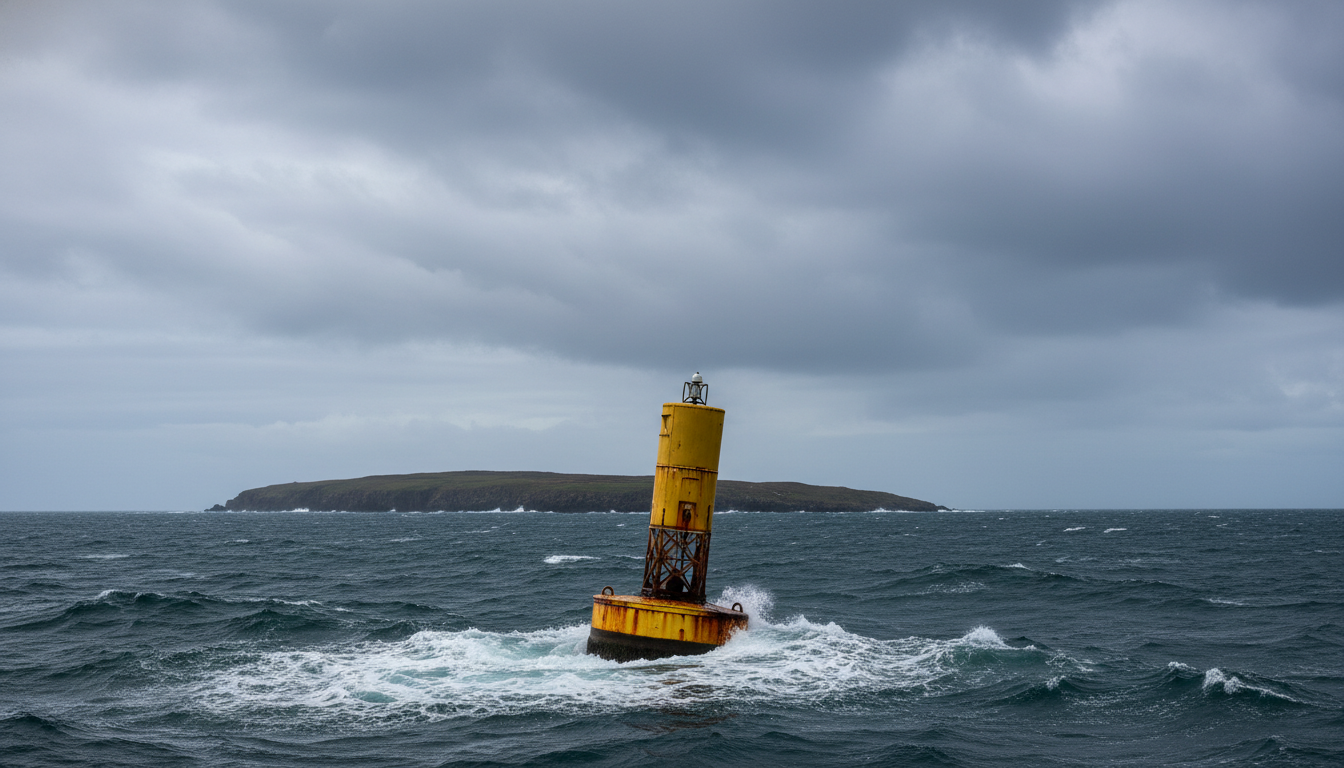
As Europe seeks alternatives to Russian gas and saturated solar energy, IDOM connects to the Spanish power grid a 42-meter vertical cylinder equivalent to 14 floors that generates 30 kW of electricity solely from the movement of the waves in the Cantabrian Sea.
-
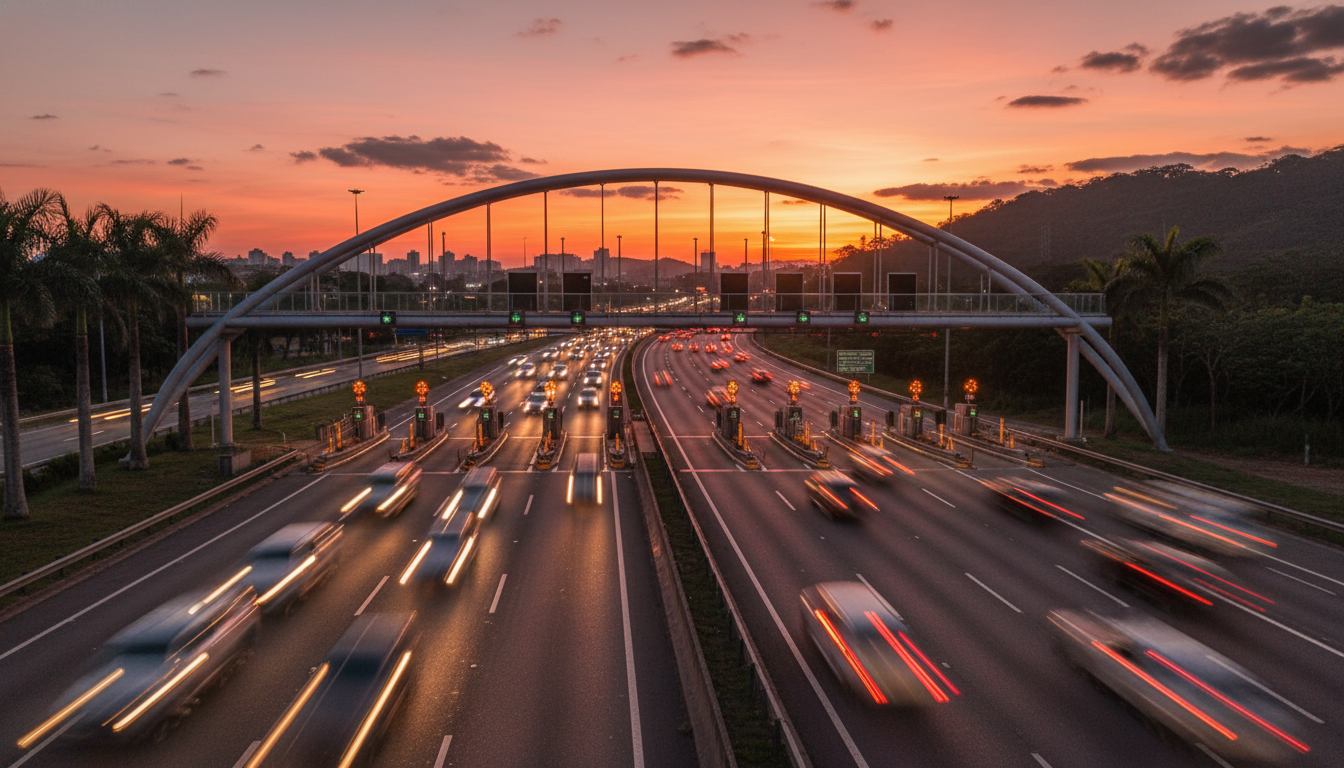
While drivers on 14 Brazilian highways discovered accumulated Free Flow fines without being notified, the federal government suspends 3.4 million penalties and gives 200 days to pay overdue fees until November 16, 2026.
-
While the global nuclear sector is dominated by Westinghouse, Rosatom, KEPCO, and EDF, the Argentine state-owned company Nucleoeléctrica approves a change in its statute to sell technical services in the international market and position itself as an exporter of nuclear know-how accumulated over 5 decades.


Mayor Ricardo Nunes (MDB) warned that the data base changed from 868 to 20,000 kilometers, which means a significant increase in the information about roads with traffic in the city. To facilitate this adaptation, the Traffic Engineering Company (CET) will publish both estimates of congestion for a period.
Just like a wave that grows and then dissipates, the streets of São Paulo will see a significant increase in information about congestion; however, this will also help make it easier to detect areas with higher traffic incidence.
The Traffic Engineering Company (CET) of São Paulo recently announced a new partnership with the Waze app, which will enable real-time monitoring of the city’s roads. The system aims to prevent and control congestion, using precise calculations to study traffic routes and reach locations with higher vehicle flow more quickly.
According to Ricardo Teixeira, municipal secretary of Mobility and Traffic, the new system will allow “vehicles to promptly reach congested areas for traffic operations.” The information is “a light at the end of the tunnel” for those wishing to move around the city without facing endless queues.
Thus, CET promises to facilitate drivers’ journeys through the reliable information provided by Waze. A revolution in urban mobility that will enable our streets to be traversed with more agility and safety!
The City of São Paulo announced the opening of a competition for 254 new employees, including 150 traffic agents. The Traffic Engineering Company (CET) has been conducting traffic monitoring in the region for nearly 40 years, starting with interns positioned in tall buildings observing congestion through binoculars and communicating via radio. A historic milestone for CET, which saw Jair de Souza Dias, the current company president, begin his career in this role. The measure comes as a means of modernizing the traffic monitoring system and improving urban mobility in the capital.






Be the first to react!