






 Portuguese
  Spanish


The Duplication of Two Highways in a Strategic City in the São Paulo Interior Promises to Transform Regional Logistics and Attract Investments with Historic Works and the Generation of Thousands of Jobs Under Direct Coordination of the State Government.
Porto Feliz, in the interior of São Paulo, will be benefited by the duplication of two important highways.
The initiative is part of the largest package of road works in São Paulo’s history, the SP Pra Toda Obra program, recently announced by the state government.
The measure not only promises to improve regional mobility but also boost the city’s economic growth and generate thousands of jobs throughout the state.
-
New Smart Radar Begins Issuing Fines to Solo Drivers in Carpool Lanes, Uses Cameras to Count Occupants, Changing Traffic Enforcement Rules on Busy European Roads

-
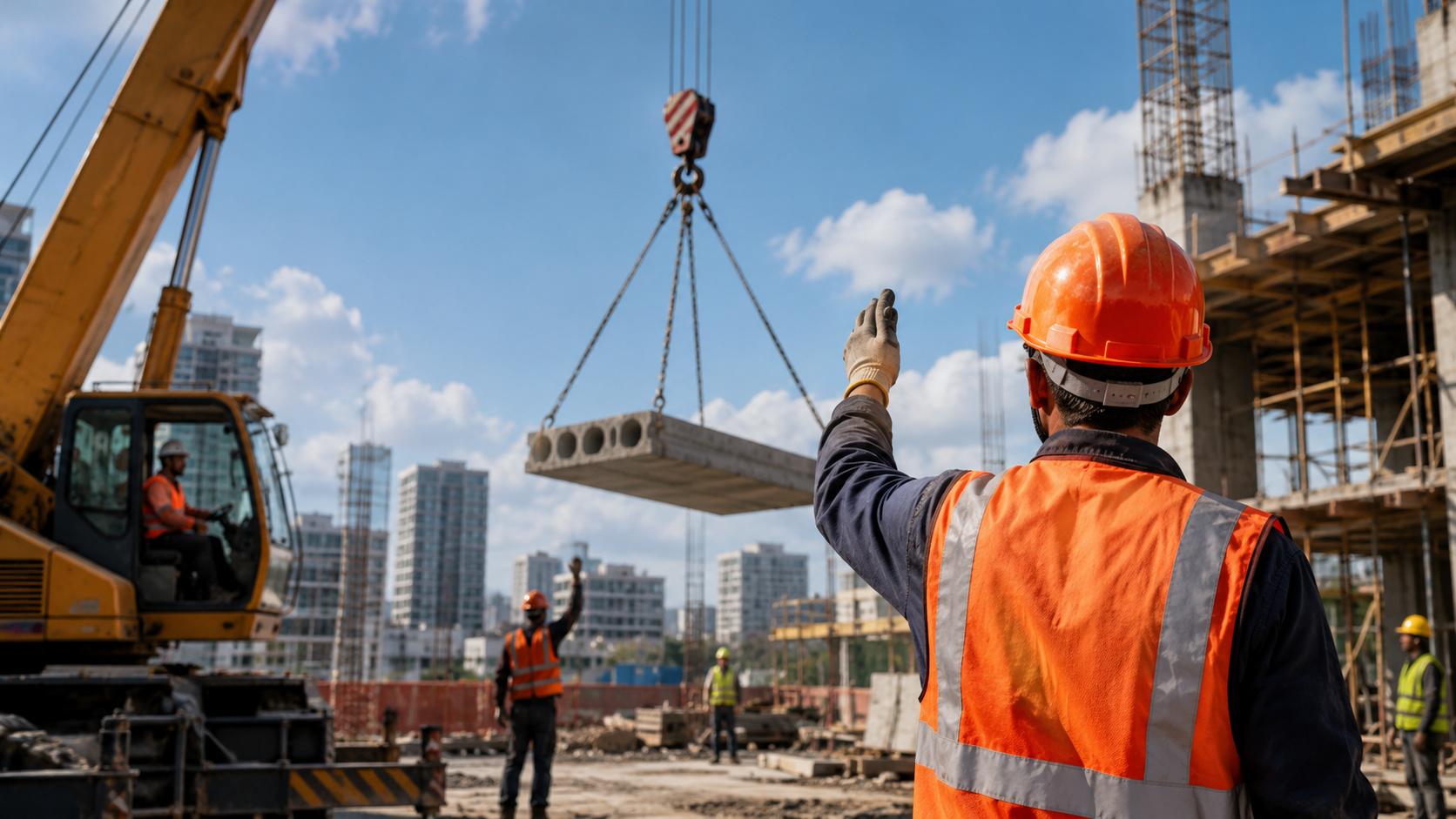
Why can the crane operator only obey the correct signalman on the construction site: among dozens of workers, a hand raised by the wrong person can confuse the maneuver and turn a load of tons into an immediate risk.
-
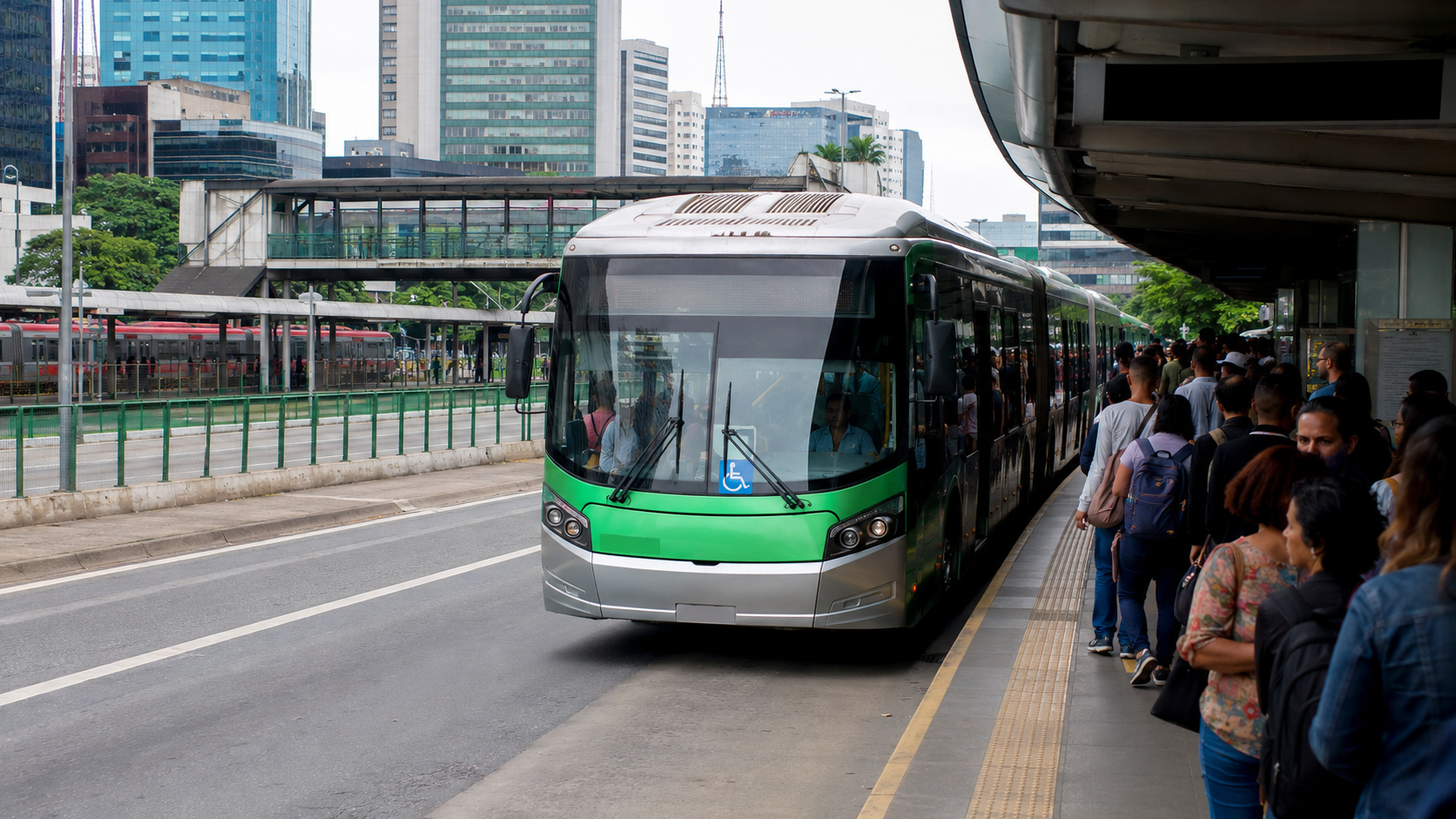
What changes with the new public transportation rules that can reduce pressure on fares and pave the way for zero fare in Brazil?
-
Driver who “holds” the left lane can receive a hefty fine and 4 points on their driver’s license even if they think they are going at the correct speed for the road.


The project foresees the duplication of the SP-97 and SP-129, roads that connect Porto Feliz to strategic cities such as Sorocaba, Boituva, and Tatuí, in addition to providing access to the Castelo Branco Highway, one of the main highways in the state.
The works are part of a package that is expected to mobilize R$ 30 billion in investments and create up to 250,000 direct and indirect jobs in São Paulo.
Historic Announcement Was Confirmed by the Governor Himself
Governor Tarcísio de Freitas officially included Porto Feliz in the program during an event held at the Palácio dos Bandeirantes.
In his speech, he emphasized the importance of the works for the region:
“The duplication of Sorocaba and Porto Feliz, how long have they been waiting? It will happen. It is about to be contracted”, he stated.
The announcement reinforced a promise made earlier by phone to the mayor of Porto Feliz, Célio Peixoto.
The confirmation ended months of political maneuvering and expectations from the local population.
Transformation in the São Paulo Highway Infrastructure
The SP Pra Toda Obra program was launched with the promise to completely modernize the state’s road network.
According to the state government of São Paulo, there will be more than 1,500 public and private works and around 22,000 kilometers of new roads, including duplications, paving, widenings, and interventions in strategic accesses.
In addition to the massive job creation, the program’s main goals include improving road safety, reducing travel time, and strengthening the logistical framework of the São Paulo interior, making cities more attractive for investments.
Porto Feliz: A New Phase of Development
Amid this scenario of transformations, Porto Feliz stands out as one of the cities directly benefited by the initial stages of the project.
The duplication of the SP-97, which connects the municipality to Sorocaba and the Castelo Branco Highway, is seen as a crucial axis for the flow of industrial and agricultural production from the region.
Meanwhile, the SP-129, which connects to Boituva and Tatuí, is considered vital for regional traffic and driver safety.
Political Pressure and Local Articulation Secured the Works
The achievement was a direct result of strong political maneuvering by the city hall.
In January 2025, Mayor Célio Peixoto and Vice Mayor Lucas Rodrigues were at the Department of Highways (DER), personally demanding the duplication of the SP-97, reinforcing the importance of the work for the city’s development.
“This is a major achievement for Porto Feliz. Besides road safety, the duplications will bring extensive economic and social development”, highlighted the mayor after the official announcement.
Peixoto also thanked the governor and other leaders who supported the project, among them the Secretary of Public Security, Captain Derrite, and the State Secretary for the Environment, Infrastructure, and Logistics, Natália Rezende.
Also mentioned were the Secretary of Government and Institutional Relations, Gilberto Kassab, and the Superintendent of DER-SP, Sérgio Codelo.
“This alignment between the various state secretaries is essential. They are attentive to our city’s needs and have shown willingness to meet our demands,” he added.
Works Are Expected to Start in 2025
The next step in the process is the environmental licensing, followed by the opening of the bidding process.
According to the state government’s schedule, works on the SP-97 should commence by the end of 2025, while the SP-129 is already in the technical analysis phase so that the bid may be published in the coming months.
Local residents and business owners have already shown anticipation with the arrival of the works.
Industries such as commerce, industry, and regional tourism are expected to benefit directly from the infrastructure improvements, increasing Porto Feliz’s appeal as an investment destination.
Transformative Potential for the Entire Region
The duplication of the highways is likely to have positive impacts beyond the municipality’s borders.
With the modernization of the roads, an increase in the flow of goods and people between neighboring cities, such as Sorocaba, Boituva, and Tatuí, is expected, strengthening regional ties and creating a new development hub in the interior of São Paulo.
Urbanism and mobility experts point out that actions like this are essential to reducing logistical bottlenecks and ensuring balanced growth in the state.
Furthermore, massive investment in infrastructure can attract new companies, facilitate access to services, and even increase property values in areas previously little connected.
Investments in Infrastructure Are the Government’s Bet
Since the beginning of his term, Tarcísio de Freitas has been heavily investing in infrastructure works as a driver of economic development.
A former Minister of Infrastructure in the federal government, he has experience in the sector and has established the revitalization of the São Paulo highway system as one of his priorities.
With the SP Pra Toda Obra program, the government aims not only to create jobs but also to transform the state’s logistics, placing São Paulo on a new level of national and international competitiveness.
For cities like Porto Feliz, the project represents more than asphalt: it is a concrete opportunity for growth and social progress.
Do you believe that the duplication of highways is sufficient to boost the development of interior cities, or should other areas also receive priority investments? Share your opinion!


