Portuguese
  Spanish



Water-Based Batteries May Be The Solution To The Scarcity Of Some Metals
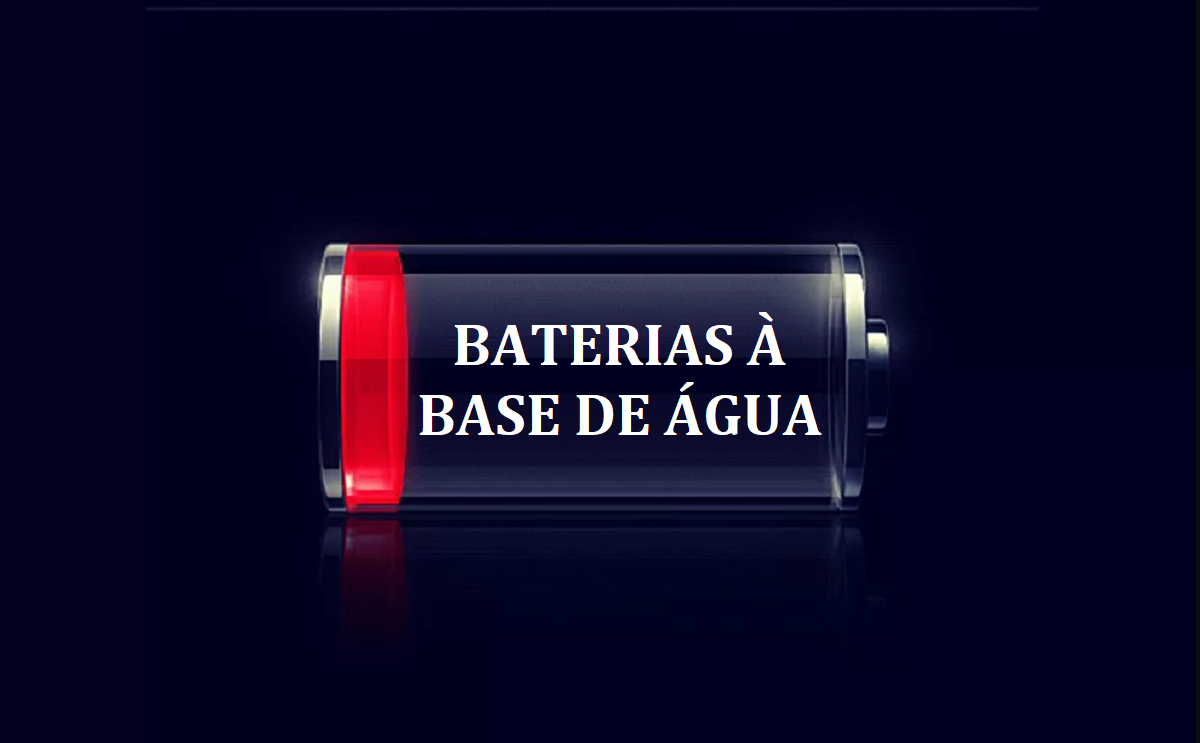
Due to the low availability of the metals used in battery production and the high complexity of extracting them, scientists at Texas A&M University have been working on an incredible project, featuring metal-free, water-based battery electrodes.
Simulations conducted by the researchers show that the difference in energy storage capacity, compared to conventional batteries, is up to 1,000%. Furthermore, with aqueous batteries, the fire hazard associated with batteries would be eliminated.
“In the future, if material scarcity becomes a reality, the cost of lithium-ion batteries will rise significantly. If we have this battery as an alternative, we can turn to this chemistry, where the supply is much more stable because we can manufacture them in the United States and the materials to produce them are here,” states researcher Dr. Jodie Lutkenhaus.
-
Hurricane Katrina: Engineering Failures by U.S. Army Corps Led to 80% of New Orleans Flooding

-
Hisense Unveils 615-Liter PureView Fridge with Transparent Door, Smart Display, Voice Control, and UV Purification to Compete with LG and Samsung

-
Are Cleaning Staff in Large Buildings Becoming Obsolete? Autonomous Robots Now Clean Airports, Hospitals, and Shopping Centers for Hours, as Companies Invest in Automating Repetitive Tasks

-
Xiaomi Launches Compact Photo Printer with Bluetooth, Extra Black Ink, and Augmented Reality Photo Printing


How Does The Water-Based Battery Work?
According to the article authored by scientists at Texas A&M University, published in the journal Nature Materials, water-based or aqueous batteries consist of a cathode (the electrode with a negative charge); an anode (the electrode with a positive charge); and an electrolyte, similar to traditional batteries. However, in the water-based battery, the cathodes and anodes are polymers that can store energy, and the electrolyte is water mixed with organic salts.
The electrolyte transfers ions – charge-carrying particles – back and forth between the cathode and anode, and the electrolyte is also key to energy storage through its interactions with the electrode. The electrodes, with their “non-conjugated redox-active radical polymers,” are excellent candidates for water-based batteries due to the high discharge voltage of the polymers and the fast redox kinetics.
The Idea Of Water-Based Batteries Seems Great, But It’s Not So Easy To Bring To Life
“[L]ittle is known regarding the energy storage mechanism of these polymers in an aqueous environment. The reaction itself is complex and difficult to untangle due to the simultaneous transfer of electrons, ions, and water molecules,” affirm scientists at Texas A&M University.
The researchers have also conducted simulations and computational analyses, and will conduct more experiments for a better understanding of water-based batteries. Thus, it is expected that the project will still take a long time to be completed.