






 Portuguese
  Spanish


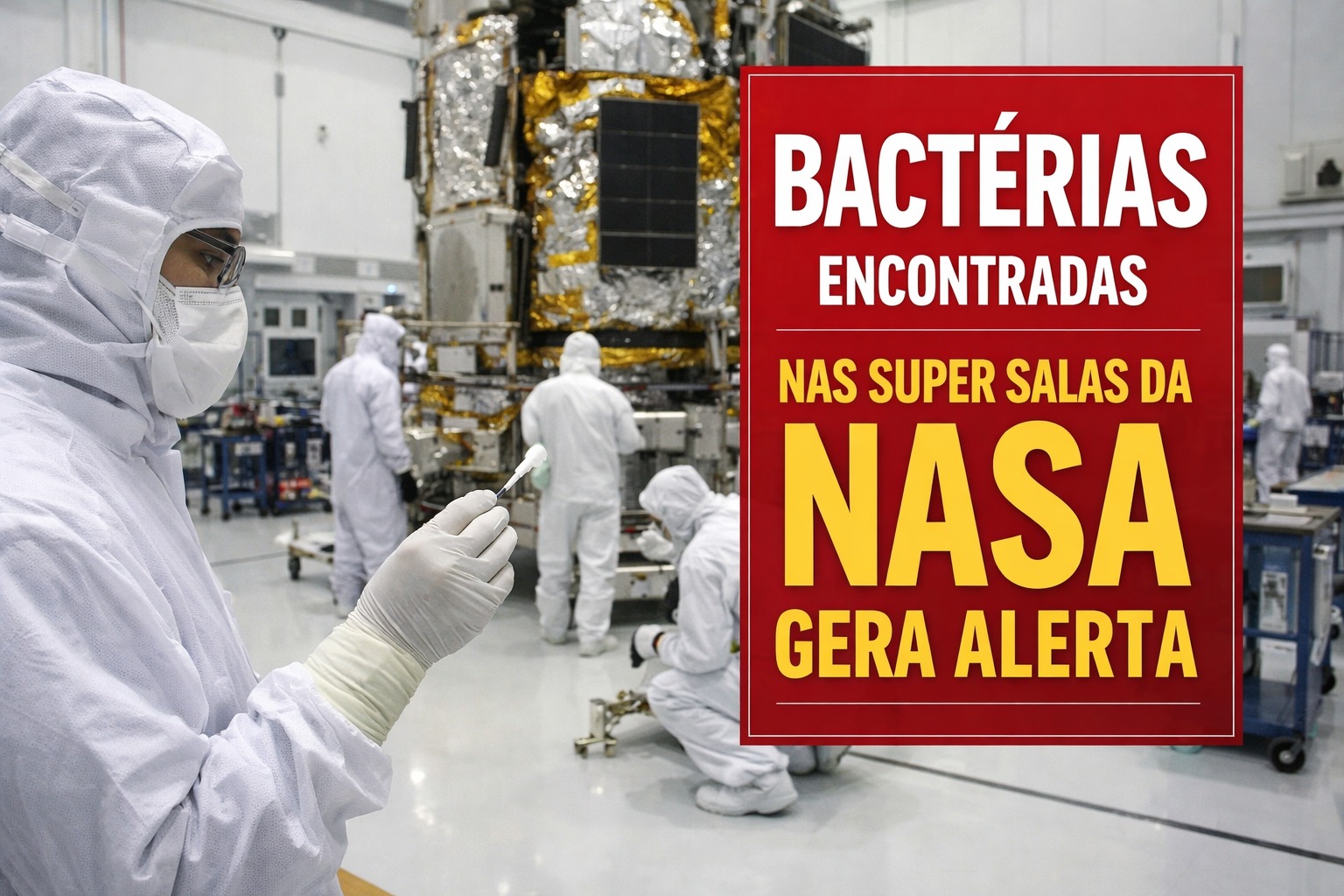


Microorganisms Found During the Assembly of the Phoenix Module at the Kennedy Space Center Show Extreme Resistance, Raise Risks for Mars, and Drive Revisions in Sterilization Protocols Used in Future Space Missions
Scientists have identified 26 new bacterial species in NASA’s clean rooms, highly controlled environments designed for extreme sterility, reigniting debates on planetary protection, risks of space contamination, and potential future scientific applications.
These clean rooms are used during the assembly of spacecraft and modules to prevent terrestrial microorganisms from accompanying missions destined for other celestial bodies.
Even under strict controls, with constant cleaning and the use of harsh chemicals, some microbes managed to survive for long periods in these considered hostile environments.
-
Chinese Farmer with No Formal Education Builds Over 60 Homemade Robots from Scrap Metal, Each Bearing His Surname

-
Telescope Set to Discover 100,000 New Planets Arrives at Launch Site, Ushering in a New Era of Astronomy

-
Humanoid Robots Transition from Demonstrations to Real Work in Factories
-
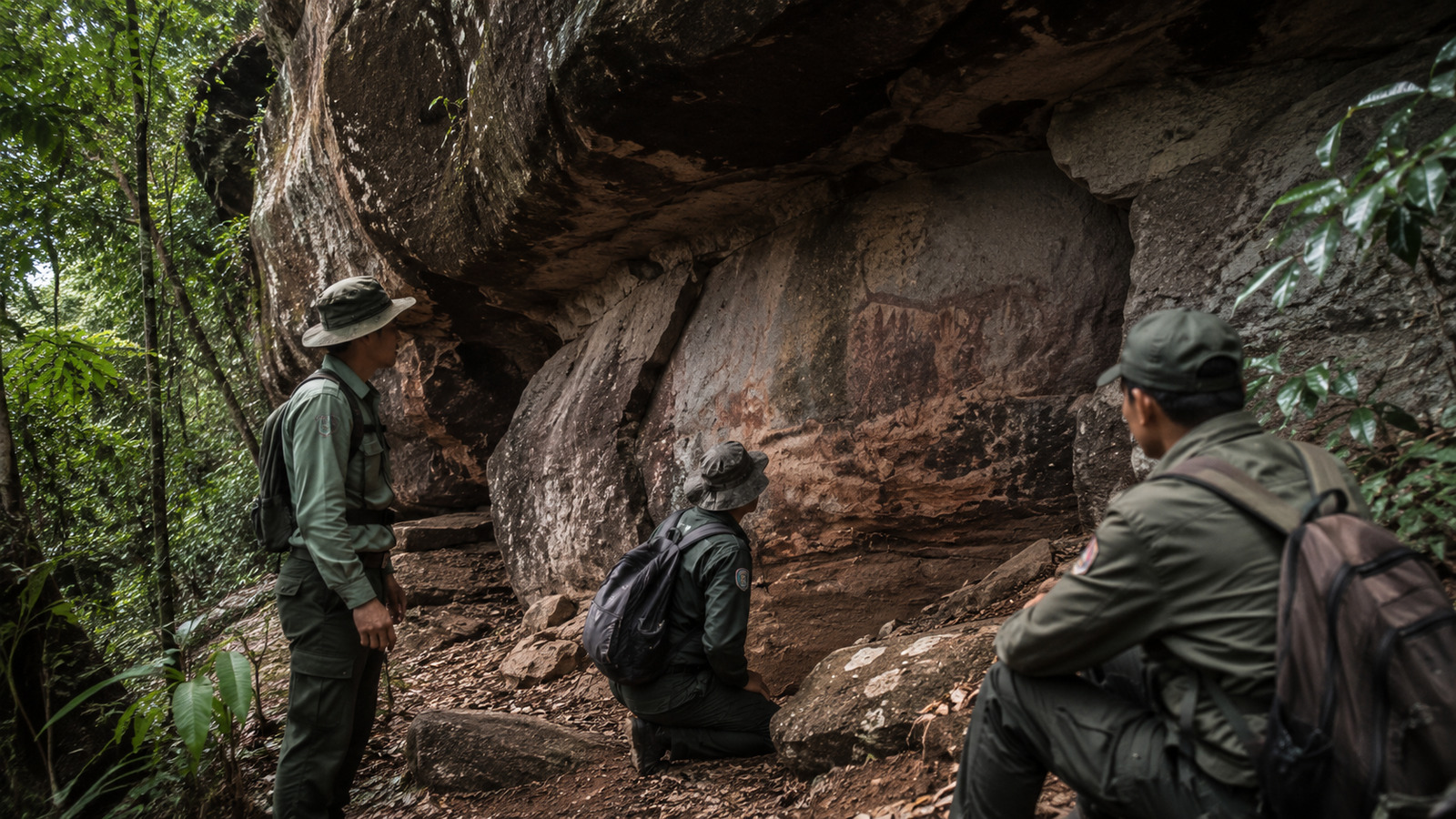
Anti-poaching patrol in Thailand accidentally discovers hidden cave with 2,000-year-old petroglyphs, geometric engravings, and mysterious three-finger patterns on sandstone walls.


The discovery revealed organisms capable of resisting nutrient scarcity, continuous exposure to chemical agents, and various forms of radiation.
These characteristics drew attention as they suggest that certain microorganisms may persist even when all known conditions attempt to eliminate them completely.

Clean Rooms and the Risk of Planetary Contamination
The central aim of these facilities is to ensure that probes and modules do not transport terrestrial life to other planets during space exploration missions.
The presence of these bacteria raises direct concerns about the possibility of accidental contamination of extraterrestrial environments, especially in sensitive destinations such as Mars.
Researchers warn that if these microorganisms survive launch and travel, they could interfere with future searches for life beyond Earth.
Therefore, understanding how these bacteria survive has become essential to review current cleaning and sterilization protocols in space.

Samples Collected During Historic Mission
The analyses were conducted from samples collected in 2007 during the assembly of the Phoenix lander module at the Kennedy Space Center.
Even following strict protocols, the data indicated that some bacteria developed genetic survival mechanisms adapted to extreme conditions.
These mechanisms allowed the microbes to remain viable for long periods, even in environments considered practically sterile.
According to researchers, this extreme adaptation was an unexpected result that necessitated careful revisions of the initial analyses.
Genes, Resistance, and Extreme Adaptation
According to information referenced by Live Science, several species possess genes related to DNA repair and prolonged dormancy.
These characteristics may help microorganisms withstand severe stresses, including radiation, nutrient shortages, and exposure to harsh chemicals.
Alexandre Rosado, a co-author of the study, described the discovery as a moment of surprise that required careful re-evaluation of all obtained results.
According to him, although rare, these microbes managed to persist in different clean rooms over time, which is considered unusual.

Upcoming Tests and Future Applications
Scientists are now finalizing a planetary simulation chamber that will replicate conditions similar to those on Mars and in deep space.
The first pilot experiments are scheduled for early 2026 and will assess whether these bacteria would survive a real interplanetary trip.
Additional analyses showed resistance to cleaning agents, biofilm formation, radiation damage repair, and the production of resistant spores.
As a result, these organisms may help test decontamination protocols and provide valuable insights for future research in biotechnology and astrobiology.
With information from Aventuras na História.


