






 Portuguese
  Spanish


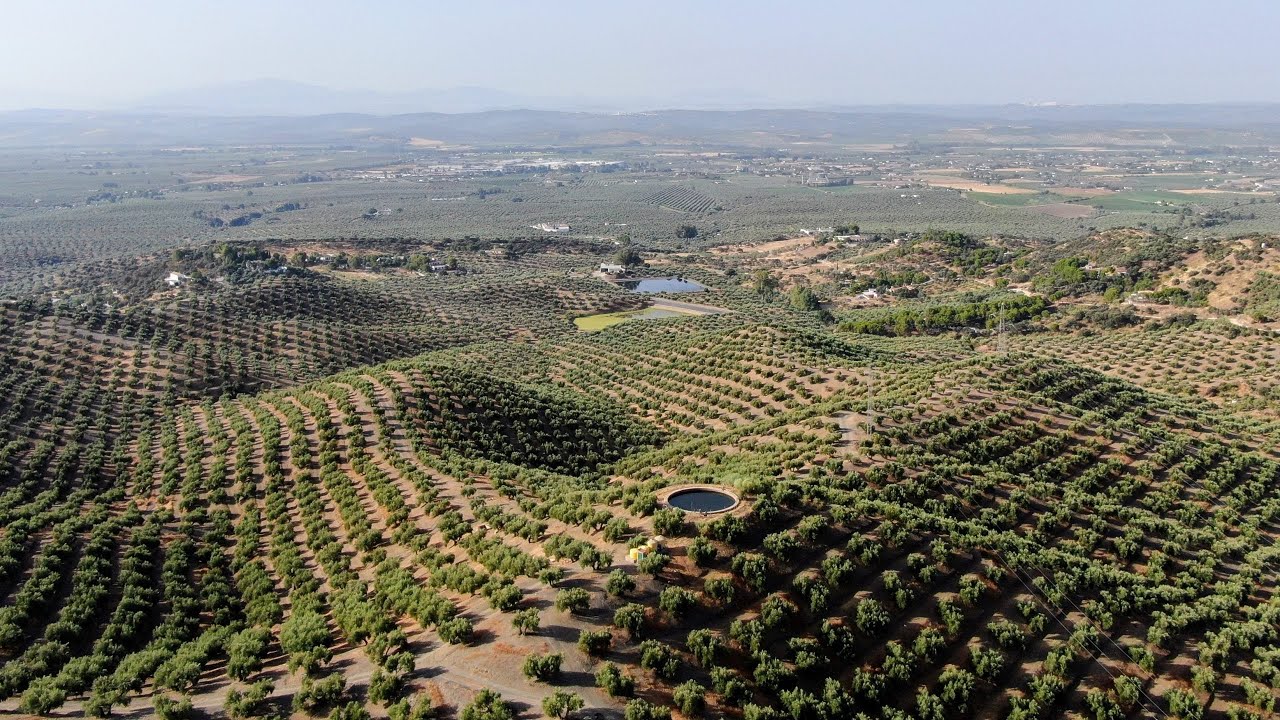


Spain Dominates Almost 50% of World Olive Oil with 1.3 Million Tons Per Harvest and Super-Intensive Olive Groves That Make It the Largest Global Power in the Sector.
Spain’s leadership in the global olive oil market is not just a Mediterranean feature: it is an absolute dominance built on agricultural technology, colossal scales, millennia-old tradition, and a production chain that moves billions of euros every year. According to the International Olive Council (IOC), in full harvest years, Spain reaches between 1.2 and 1.6 million tons of olive oil, representing 40% to 50% of total world production, a number that no other country comes close to.
For comparison, Italy, Greece, and Turkey combined produce less olive oil than Spain alone.
Even in drought years, when production is heavily affected, the country continues to lead thanks to the largest irrigated belt of olive groves on the planet.
The secret to this dominance lies in the combination of favorable climate, high-efficiency irrigation, intensive mechanization, optimized cultivars, and an industrial production model that has transformed Spanish olive oil into a global reference.
-
Innovative Farm in Northeastern Brazil Combats Drought with Advanced Techniques, Aiming for 10,000 Liters of Milk Daily Production

-
Australian Desert Farm Uses Solar Power and Seawater to Produce 15,000 Tons of Tomatoes Annually, Resembling a Sci-Fi Agricultural Innovation

-
Brazilian Child Becomes National Role Model by Turning Financial Education Lesson into Thriving Poultry Business with 25 Hens and 150 Eggs Weekly
-
California’s Almond Industry Consumes Over 4 Trillion Liters of Water Annually Amid Drought, Relies on Trucked-In Bees for Pollination

Super-Intensive Olive Groves: The System That Put Spain Decades Ahead

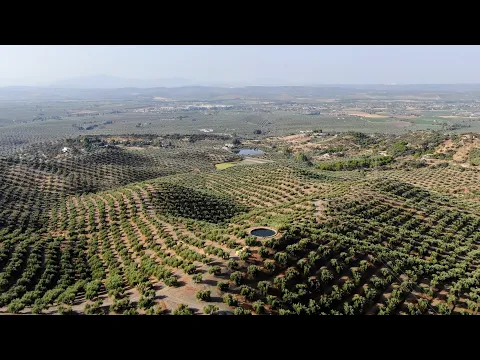
The technological turnaround began in the 1990s when Spanish researchers implemented the concept of super-intensive olive groves, extremely dense plantations with controlled-height trees, organized like “green walls” that can be harvested by machines similar to those used in vineyards.
This change revolutionized the entire chain.
Today, Spain has:
- more than 750,000 hectares of irrigated olive groves,
- about 70% of all super-intensive olive groves in the world,
- large-scale mechanized harvesting with machines that collect tons per hour,
- soil sensors, weather stations, and smart drip irrigation,
- nutrient mapping, mechanized pruning, and satellite remote monitoring.

This structure has allowed for cost reduction, standardization of yields, and increased average quality, making Spanish olive oil the most competitive on the planet.
Andalusia: The World’s Olive Oil Center
Among all producing regions, none holds comparable importance to Andalusia, especially the province of Jaén.
Jaén is recognized as:
- the largest producer of olive oil on the planet,
- home to more than 66 million olive trees,
- responsible for more olive oil than Italy, Greece, and Portugal combined in some harvests.
The landscape is dominated by entire mountains covered with corridors of olive trees. Local cooperatives, such as Dcoop, Jaencoop, and Hojiblanca, operate true industrial complexes capable of processing thousands of tons per day.
In addition to production, Andalusia houses laboratories, certified sensory centers, and a complete ecosystem that involves everything from research to export — something that no other country has managed to replicate.
Billion-Dollar Export That Supplies More Than 160 Countries
Spain does not only dominate production: it also dominates the international market.
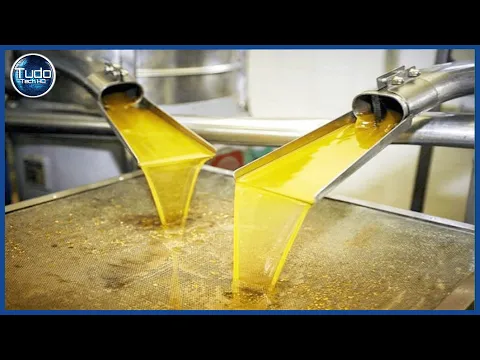
According to the IOC and the Spanish Ministry of Agriculture, the country:
- exports between 800,000 and 1 million tons per year,
- moves more than € 6 billion annually,
- supplies more than 160 countries,
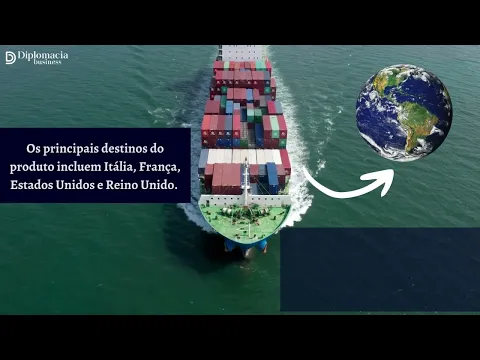
- provides olive oil for hundreds of international brands that label the product as “Italian” or “European”.
This phenomenon is so frequent that the European Union has strengthened origin labeling rules in recent years, precisely because a large portion of olive oil sold in the world as “Italian” is, in fact, Spanish olive oil packaged in Italy.
Spain also leads the supply to Brazil, accounting for around 50% of all olive oil imported by Brazilians.
Why No Country Can Catch Up to Spain?
Five factors explain Spanish supremacy:
Ideal Climate
Intense sun, low humidity, and mild winters create the perfect conditions for olive tree development.
Advanced Irrigation
Spain has invested in huge drip irrigation networks, ensuring stable production even in years of severe drought.
Unprecedented Industrial Scale
Harvesting machines, industrial complexes, giant cooperatives, and optimized logistics make operations extremely efficient.
Agricultural Research
Institutions like IFAPA have developed techniques to increase productivity, reduce pests, and optimize nutrients.
Millennia-Old Culture
Olive oil has been present in Spanish cuisine, economy, and identity for centuries, maintaining skilled labor and continuous tradition.
The Closest Competitors — Still Very Far Away
- Italy: 200–300 thousand tons/year
- Greece: 250–350 thousand tons/year
- Turkey: 200–250 thousand tons/year
- Tunisia: 200–300 thousand tons/year
Even when combined, they rarely surpass the Spanish volume and never reach its export scale.
And Brazil? Still Small, But Growing Quickly
Brazil is not a global competitor but is developing a premium olive oil market, mainly in the Mantiqueira Mountains, Rio Grande do Sul, and part of Paraná.
The Brazilian numbers:
- annual production between 500 and 1,200 tons,
- internationally awarded olive oils,
- strong dependence on imports (99% of consumption).
Despite its small size, the country is advancing in quality and adding value with artisanal labeling and early harvesting.
The Future of the Market: Spain Remains Sovereign
Even with the advance of countries like Portugal, Turkey, and Tunisia, Spain continues decades ahead. With its combination of technology, climate, irrigation, and scale, the country is likely to remain the global epicenter of olive oil for decades to come, dictating prices, supplying markets, and setting trends.


