






 Portuguese
  Spanish





Based on the practical experience of those who worked for decades in dealerships, the method advocates silence, detailed technical analysis, cold reading of documents, and cautious expertise as deciding factors to avoid common traps, deceptive sales talks, and financial losses when buying a used car
Buying a used car involves more than just price, appearance, and the seller’s likability. In a market marked by high turnover, incomplete history, and aggressive business practices, the decision requires method, coldness, and technique. Experienced professionals in the industry assert that the biggest mistake of buyers lies in excessive chatting and a lack of focus during the vehicle evaluation.
Experts consulted by the report argue that how to buy a used car starts, above all, by controlling communication.
Talking too much, explaining personal motivations, or showing enthusiasm creates immediate advantages for the seller, who is trained to identify signs of interest, urgency, and emotional vulnerability. The more the buyer exposes themselves, the more strategic information they give away.
-
Sales of Brazil’s Cheapest Electric Car Halted Before First Deliveries: E-Motors Suspends Emova Easy Due to Import Tax Increase and Rising Freight Costs

-
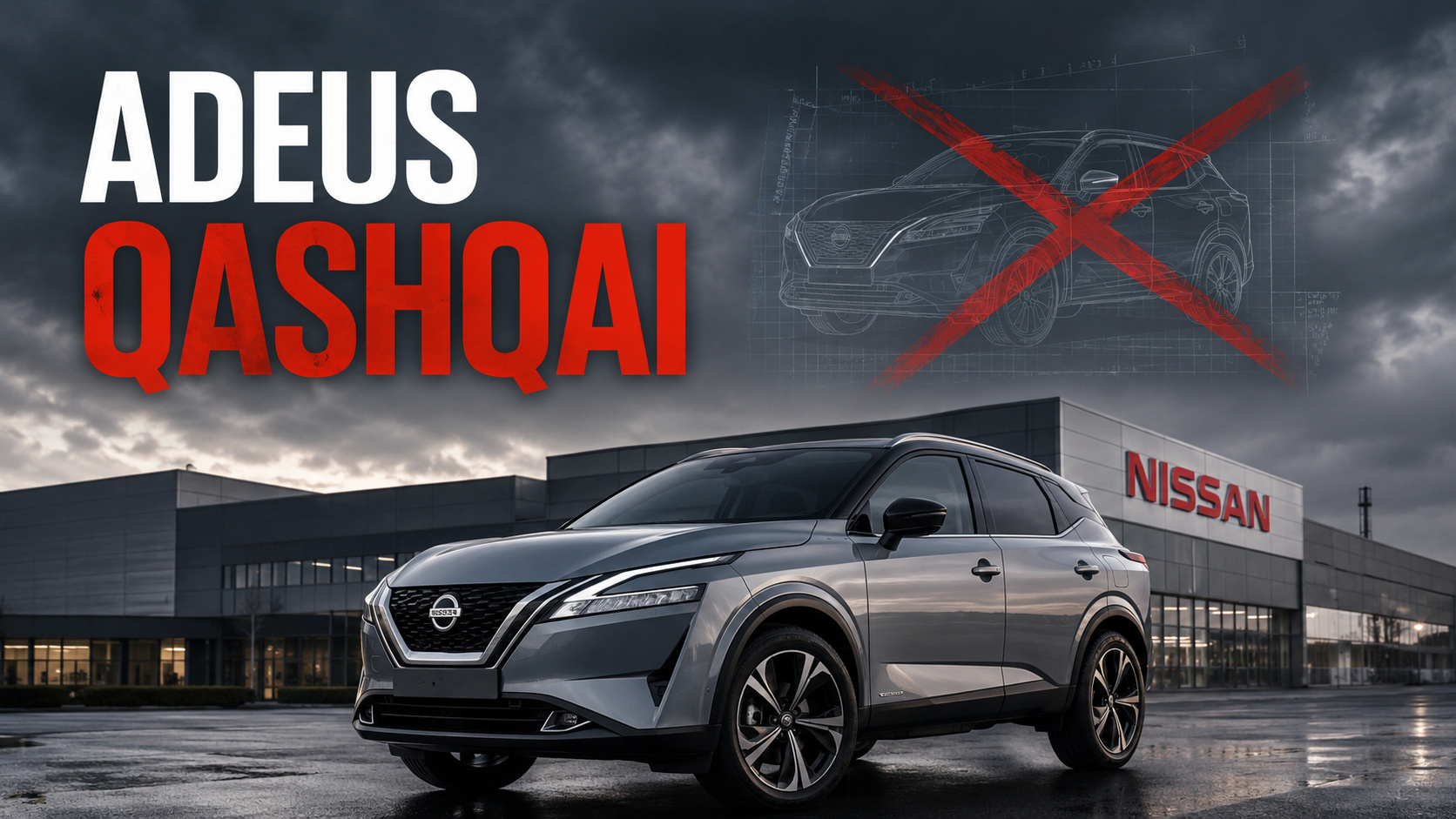
Nissan Discontinues Qashqai SUV Amid Cost-Cutting, Chinese Competition, and Product Line Review

-
BYD Patents Revolutionary System Using Computer Vision to Detect Animals Under Cars Before Starting, Preventing Tragedies

-
Study Reveals Why Cars Are More Expensive to Produce and Buy in Brazil Compared to Mexico, Highlighting Taxes, Logistics, and Industrial Costs as Key Factors.



Silence As A Negotiation Tool
Upon arriving at a store, dealership, or even when meeting with a private seller, the guidance is simple: greet, be polite, and observe. It is not necessary to explain the reason for the exchange, the maximum budget, or the urgency to close the deal. The focus should be on the car, not the story that accompanies it.
Sellers often present recurring narratives – “doctor’s car,” “one owner,” “family vehicle,” “low mileage.” Without silence and a neutral posture, these stories gain traction and divert attention from what truly matters: the actual condition of the car.
Technical Analysis Before Any Conversation
The evaluation process begins with the car stationary. The buyer should examine the bodywork, alignment of doors, hood, and trunk, in addition to observing differences in paint shades, which may indicate repairs after collisions. Screws with marks, irregular welds, and the absence of original labels also raise alarms.
On the inside, the wear of the steering wheel, seats, and pedals should be compatible with the stated mileage.
A vehicle that claims 40 thousand kilometers but has sunken seats and an excessively polished steering wheel may indicate intense use or tampering with the odometer.
Engine, Fluids, and Structure
With the car running, it is possible to observe the functioning of the dashboard, warning lights, and abnormal noises.
The engine should run steadily, without excessive fluctuations or metallic knocks. Oil, coolant, or power steering fluid leaks are clear signs of future problems.
The inspection should include belts, hoses, oil level and color, in addition to the condition of the water reservoir.
From underneath, whenever possible, it is crucial to inspect the frame, suspension attachment points, and any possible structural dents.
Test Drive Is An Essential Step
Never buy a used car without driving it. During the test, the buyer should turn off the sound and drive with the windows down.
The goal is to identify suspension noises, clunks, vibrations, and transmission failures. In automatic vehicles, gear changes should be smooth, without jolts or delays.
The air conditioning, steering, brakes, and alignment also need to be tested. Any unusual noise or behavior should be mentally noted without discussing it with the seller at that moment.
Didn’t Like It? Leave
One of the most important steps in how to buy a used car is knowing when to walk away. If the vehicle does not meet the technical criteria, the recommendation is to thank and leave without explaining in detail. Sellers often insist, ask for the reason for refusal, and try to counter objections. Long explanations only open the door for new sales approaches.
A calm demeanor preserves the buyer’s decision-making power. The money is theirs, the time is theirs, and the choice is theirs as well. No negotiation should be made under pressure.
Documentation Does Not Accept “History”
Another critical point lies in the documents. The Vehicle Registration Certificate shows how many owners the car has had. If the current name does not match the original buyer, it is not “one owner,” regardless of alleged family ties. The owner’s manual with old records, invoices, and receipts helps to confirm the history.
Talking does not replace documentation. In the used car market, relying solely on the seller’s word is one of the most common and costly mistakes.
Expertise Is An Investment, Not A Cost
Even experienced buyers recommend hiring an independent cautious expertise before finalizing the deal. The service identifies alterations to the chassis, mileage, history of accidents, and structural irregularities. In many cases, it prevents losses that can exceed tens of thousands of reais.
The market has changed, and buyers who do not adapt remain vulnerable. Technique, silence, and method have ceased to be differentiators and have become necessities.
Rational Purchase Avoids Frustration
Buying a used car should not be an impulsive act. It is a significant financial decision that requires cold analysis, technical focus, and emotional control. Ignoring stories, reducing conversations, and prioritizing objective criteria significantly increase the chances of a safe purchase.
In the end, those who master how to buy a used car are not those who negotiate best, but those who observe more, talk less, and decide based on facts, not promises.









Perfeita! Ótima matéria.