Portuguese
  Spanish


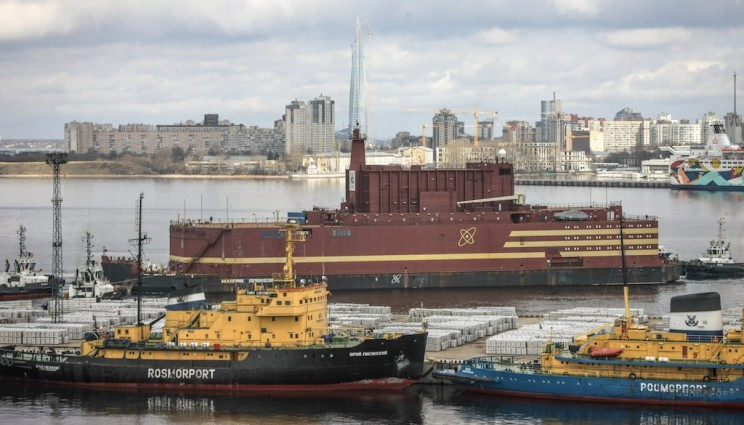

Russia Bets On Floating Nuclear Plant To Provide Energy To Remote Regions
Nuclear energy has always been the subject of many controversies over the past decades. However, nothing compares to floating nuclear plants, which move and navigate through rivers and small towns with difficult access on giant ships.
The so-called Floating Nuclear Reactors are gaining prominence in Russia and in some northern European countries. The interest in this technology is high because it is seen as essential for the development of remote regions.
With climate changes, Arctic glaciers are melting, exposing wealth of natural resources that have never been seen before. However, to explore this wealth, it is necessary to build infrastructure in these remote locations. Because of this issue, floating nuclear plants are gaining traction for energy generation in these regions.
-
In Colombia’s desert, 30 families receive 80 m² homes with solar panels, waterless toilets, and rainwater collection systems amid water and energy shortages.

-
Engie Secures 10-Year Use of 625 MWh in Batteries to Store Excess Solar and Wind Energy in Spain by 2028
-
Giant Batteries Take Center Stage in Chile Auction as Company Offers 960 GWh of Solar Energy for Nighttime Use, Aiming to Stabilize Solar Power Supply
-
After a Year of Success in Switzerland, Solar Railway Attracts Italy’s Interest for Clean Energy Transformation


So, How Is A Floating Nuclear Reactor Made?
Building a floating nuclear plant is complex, as it requires much more work and safety mechanisms than a conventional plant built on land. Today, there are already equipment in the Arctic with nuclear reactors, such as icebreakers and submarines.
However, the major challenge is to make the reactor the focal point of the ship. Additionally, it is very important to protect the nuclear reactor from extreme temperatures, as well as tsunamis that could hit the vessel. An accident involving a ship with a floating nuclear reactor would bring unimaginable consequences to the environment.
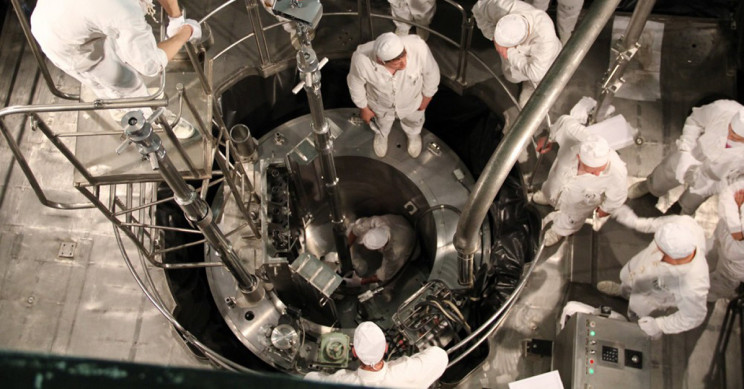
In 2018, Russia launched its floating nuclear power plant, the Akademik Lomonosov. This project has a pressurized water reactor design, generating heated water at high pressure. The equipment transfers thermal energy to another low-pressure system.
Another major problem is the issue of radioactive waste, which is found in the form of radioactive liquid. The pressurized water reactor, in case of an accident, could release radioactive material into the atmosphere.
What Is The Reason To Invest In A Nuclear Plant On A Ship?
Building a nuclear power plant is already a very difficult and expensive task, and now a floating nuclear plant requires even more work. The main objective of such a project is to supply energy to industries and very remote locations.
The Akademik Lomonosov, for example, was built to supply Northern Russia. These isolated communities may develop with the presence of this ship in the region.