






 Portuguese
  Spanish
  2 min of reading


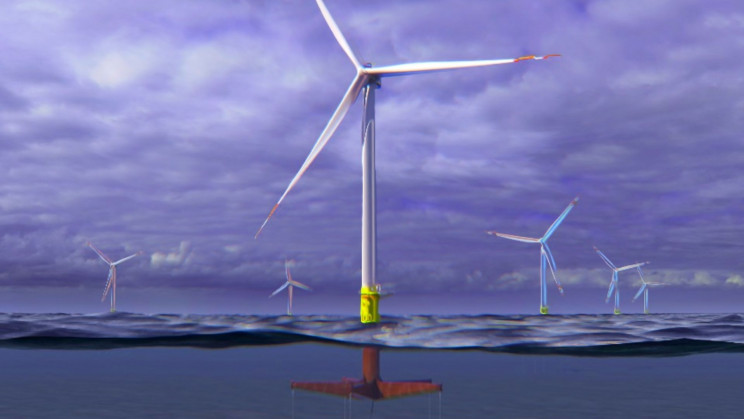
American Company Presents A Great Platform Concept That Will Enable The Implementation Of Floating Offshore Wind Turbines
The investment in offshore wind energy is increasing and is expected to continue growing over the next decades. Various companies have projects aimed at developing new technologies that enhance performance and reduce costs in wind energy. With this in mind, GE is developing an advanced control system to support a floating offshore wind turbine of 12 megawatts (MW).
The project will cost 4 billion dollars and is being developed through ATLANTIS (Lightweight Floating Aerodynamic Turbines with Nautical Technologies and Integrated Servo-Control). The project aims to encourage the development of new technologies for floating wind turbines.
The project aims to develop an advanced control system that will allow future floating wind turbines to have up to 35% less mass than today’s conventional sizes.
-
Brazilian scientists are simultaneously advancing two research projects on clean hydrogen and driving solutions that could transform the energy matrix, enhance industrial competitiveness, and accelerate large-scale emission reduction targets.

-
Advancement in renewable energy: A R$ 150 million project launched by Petrobras and Finep aims to create state-of-the-art electrolyzers for green hydrogen, strengthening national research and preparing Brazil to compete in a billion-dollar energy market.
-
Illiterate or semi-literate grandmothers were trained to repair solar systems, open rural workshops, and light up homes that still depended on kerosene.
-
The world has bet on green hydrogen as the fuel of the future, but now faces the side effect: producing 1 kilogram requires about 9 liters of ultrapure water, and the largest projects on the planet are precisely in the driest regions of the Earth, where water is already scarce for people.





“Designing a floating turbine is like placing a bus on a tall pole, making it float, and then stabilizing it while it interacts with the wind and the waves. Doing this well is a design and control challenge,” stated Rogier Blom, lead engineer of the project.
Lot Of Savings In The Future
Glosten, consulting and marine design company, is part of the project along with GE. The partnership is expected to yield a project that can be about 35% lighter, resulting in reduced costs.
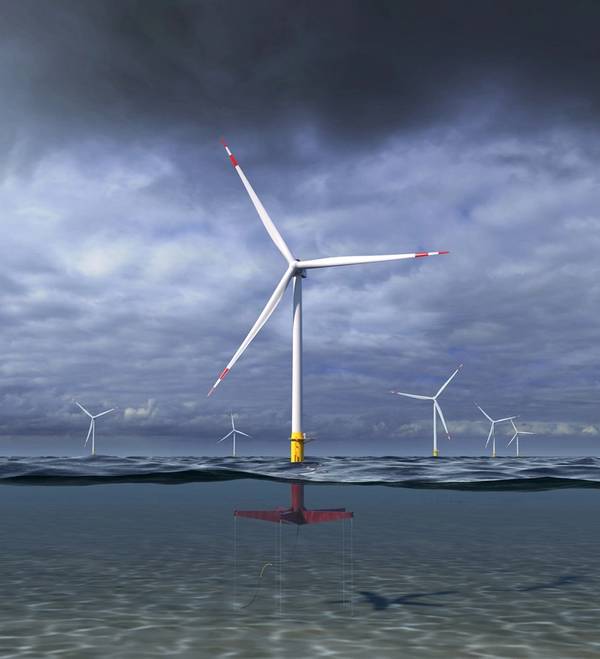
“Today, these fixed offshore wind turbines are limited to depths of 60 meters or less. With floating turbines, we would be able to dramatically expand the reach of offshore wind energy to areas with water depths of 60 meters or more”, Blom stated.
Offshore wind is a resource that is still underutilized. The company’s expectation is that the project will more than double offshore wind energy generation capacity in the U.S.






Be the first to react!