Portuguese
  Spanish


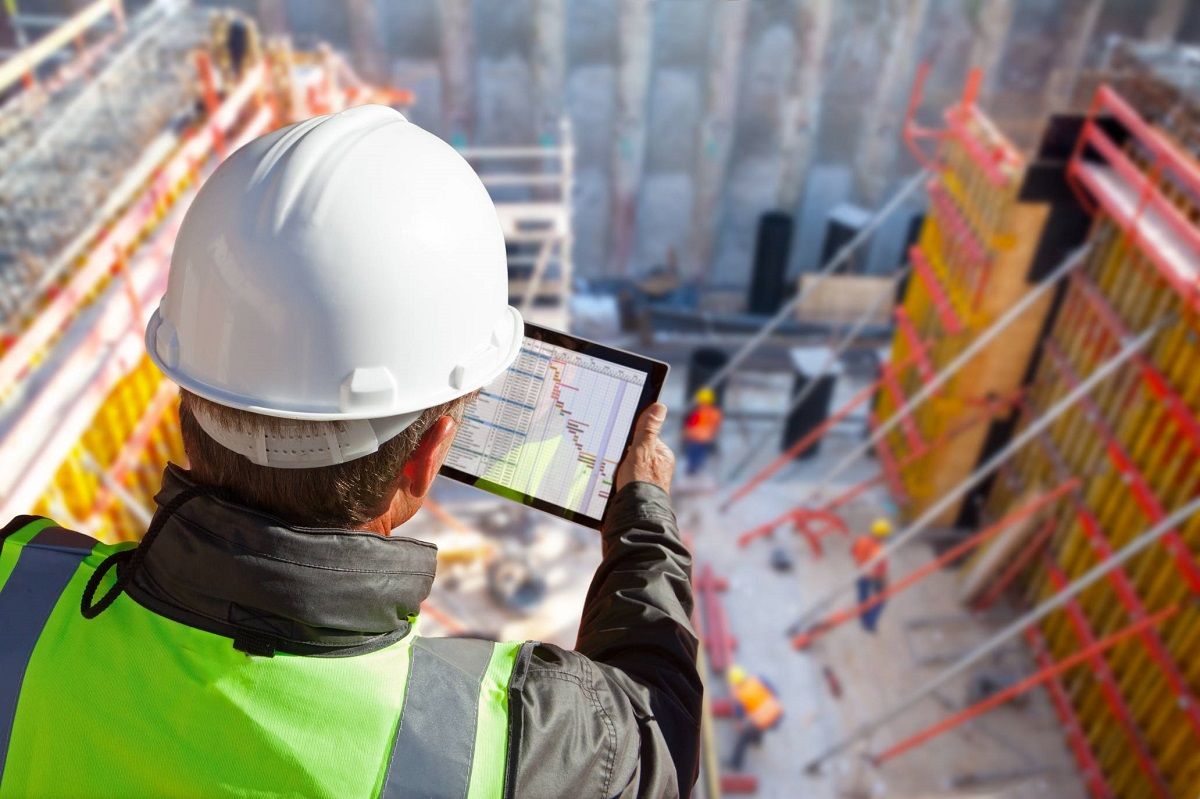

The construction sector was one of the main branches impacted in the economy. After all, it’s no news that the crisis caused by the pandemic of the new coronavirus, also known as Covid-19, affected various segments. Whether it’s an industry of barcode labels, a retail store, law office, among others.
However, since the construction sector is directly linked to the growth of Gross Domestic Product (GDP), it is not uncommon to observe difficulties faced over the years as the country’s economy fluctuates. One example was the crisis from 2012 to 2014.
Nevertheless, just as the sector overcame the previous crisis, it is ready to face any challenges ahead. Especially if combined with technological advances and the expansion of the internet, which allow for cost reductions and increased performance.
-
French Brand Transforms 6 Million Brazilian PET Bottles into Sustainable Sneakers for Global Fashion Market

-
In Flood-Stricken South Sudan, Displaced Families Use Sand-Filled Plastic Bottles to Build Cooler, More Durable Homes

-
Mother Who Called Herself a ‘Pinterest Failure’ Learned Wood Furniture Restoration from Videos, Now Earns Around $15,900 Monthly

-
Denmark Constructs World’s Largest Immersed Tunnel to Connect with Germany, Sinking 217-Meter Concrete Sections in the Baltic Sea




Technological innovations promote the optimization of processes and the management of entrepreneurs in the construction sector, enabling them to have more efficient construction processes and improving customer experience.
In this post, see how the actions of professionals in the construction sector are generating a positive impact amidst the coronavirus crisis:
Home Office
Remote work was adopted by thousands of companies in response to the coronavirus crisis, as a way to reduce the spread of the disease.
This is what a survey conducted by the coordinator of the MBA program in Marketing and Digital Business Intelligence at Fundação Getulio Vargas (FGV), André Miceli, indicates.
According to the study, the home office work model is expected to jump by 30% after the period of social distancing. Various sectors, including industrial ones, like the production of fire doors, are partially opting for home office.
For many construction professionals, such as a construction site coordinator, safety technician, among others, the home office becomes a differentiator, as this type of system promotes better communication among them, in addition to allowing the enterprise to make more planned decisions.
Cloud Computing
Another innovation being utilized in the construction sector, as well as in industries, such as in laser cutting sectors, for example, is cloud computing.
In turn, cloud computing can make all business data and files more accessible to all members of a project, ensuring that performance is optimized.
Automated Spreadsheets
By using automated spreadsheets, it is possible to have a more accurate schedule regarding construction planning and business management.
These technological sources also reduce the margin of errors and the time spent on their preparation, allowing the construction company more time to develop strategies and connect with its clients amidst the crisis.
Solutions Amidst the Crisis
The Brazilian Chamber of Construction Industry (CBIC) launched, on March 19, 2020, a specialized channel for construction companies to be attended and address their doubts, report problems, and find new solutions for their businesses.
The channel is called “How Can CBIC Help You Today?”, and its proposal is to gather demands and seek solutions to address social and economic cases within the construction sector.
Finally, with the necessary assistance and new technologies, the construction sector is on the path to progress and the advancement and development of the country. And you, did you like the post?
This article was written by Rafaela Ricardo, Content Creator at Soluções Industriais.