Portuguese
  Spanish


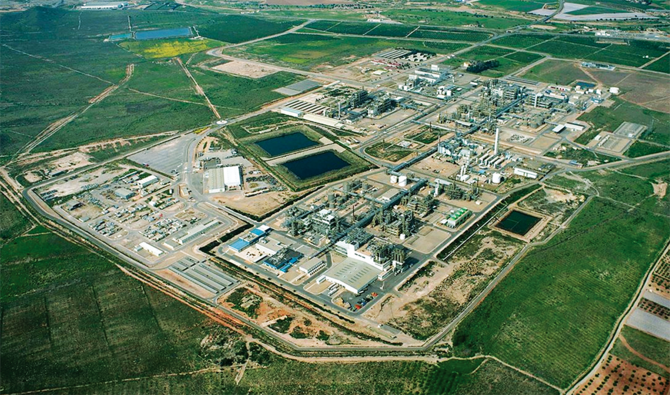

SABIC Reports That Its Polycarbonate Facility Will Become the World’s First Chemical Production Site Powered by Renewable Energy
SABIC plans to build a chemical plant in Spain that will be completely powered by renewable energy, marking the first project of its kind anywhere in the world involving renewable energy. The polycarbonate facility in Cartagena is expected to be fully operational by 2024, powered by a 100MW photovoltaic solar power plant. The agreement will allow Iberdrola, one of the largest electricity utility companies in the world, to invest nearly 70 million euros to install 263,000 panels on land owned by SABIC. This will make it the largest industrial renewable energy plant in Europe and the world.
Read Also
- Opening of the Gas Market Could Generate 7,500 Jobs in Pará by 2022
- Wind Turbine Manufacturer Vestas Will Produce Wind Turbines for Casa dos Ventos in Bahia
- Solar Energy Startup Developed Completely Transparent Solar Panels
- Aeris Energy, a Reference in the Wind Energy Sector, Starts Selection Process for Many Job and Internship Positions in Ceará
25-Year Agreement for Renewable Energy Production
The 25-year agreement for the chemical plant in Spain is part of the company’s ambition for its Riyadh-based petrochemical operations to have 4 gigawatts (GW) of wind or solar energy installed at its sites worldwide by 2025, increasing to 12GW by 2030. Similarly, last year, the company installed solar panels at its facilities in India and Thailand, helping to reduce its greenhouse gas emissions by 200 tons.
“Partnerships like this are the foundation of our business growth model” in the renewable energy industry, said Bob Maughon, Executive Vice President of Sustainability, Technology, and Innovation at SABIC. “In recent years, the many advancements in renewable energy technology in Spain have made deployment at this scale possible”.
-
World’s Largest Engie Solar Plant in Brazil Highlights Billion-Dollar Energy Waste Issue: Company Considers Batteries and Bitcoin Mining to Avoid Wasting Production

-
Air Products Cancels $2.9 Billion Clean Hydrogen Megaproject in Louisiana, Shuts Down Arizona Unit, Highlighting High Costs of U.S. Energy Transition
-
Over 60 Tractors Take to the Streets in Lopera as Solar Parks Compete with Olive Groves, Affecting 13,000 to 100,000 Trees According to Conflicting Reports

-
Green Hydrogen Projects in Northeastern Brazil Stalled for 18 Months Awaiting Government Decree, Delaying Billions in Investments


SABIC Has Future Plans for Photovoltaic Energy Installations
Additionally, SABIC, besides the chemical plant, also plans to install photovoltaic and wind energy technology at its global headquarters in Riyadh. Meanwhile, a final feasibility study is underway with Marafiq and the Royal Commission for Jubail and Yanbu to explore a $300 million, 300 megawatt solar power plant project on the west coast of the Kingdom.
In conclusion, once completed, SABIC responsible for the chemical plant will take the electricity generated by the facility and deliver it to local chemical plants in Spain, the company stated. The Company produces chemicals, plastics, and agro-nutrients worldwide, employs over 33,000 people, and continues to contribute to renewable energy.