





 Portuguese
  English
  Spanish
  3 min of reading


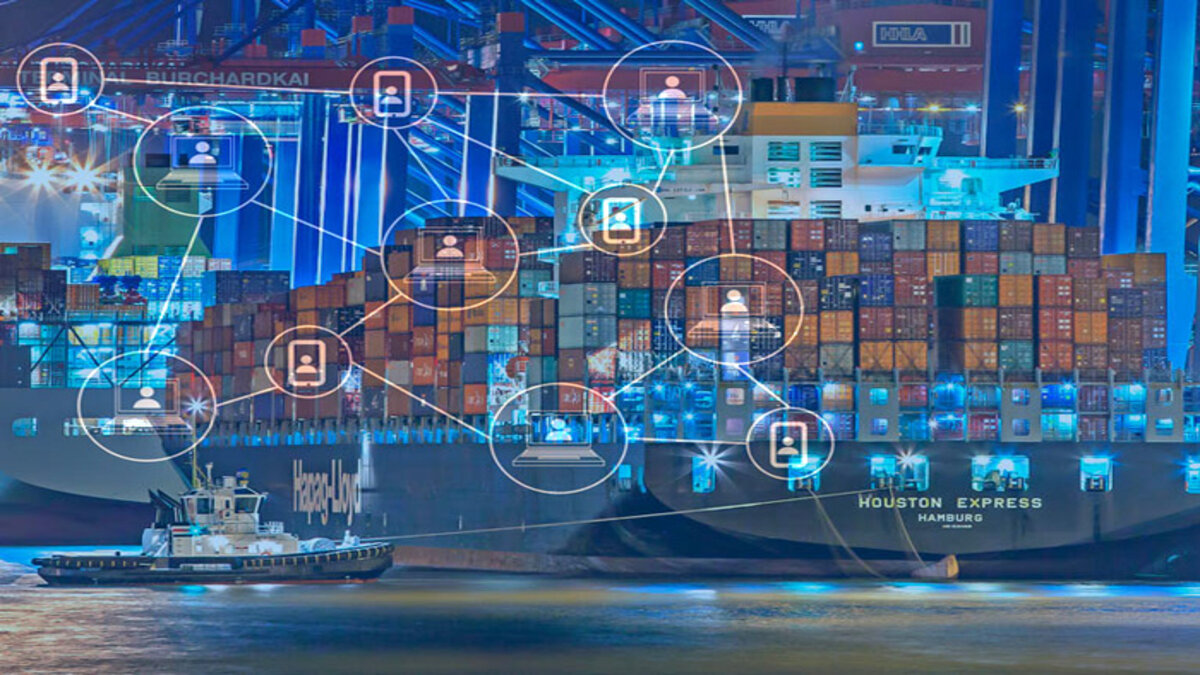
Ports And Ships Can Be Operated Without The Need For Human Elements. The Possibility Of Independent Ships And Ports Has Been Discussed For A Few Years Now And Finally Seems To Be Close To Becoming A Reality.
Last Wednesday, (07/13), it was announced that the possibility of ships and ports being operated without the need for human assistants is real and is becoming more and more likely, a transformation that is shaking up port terminals and maritime activities on a global scale. This news marks the advancement of operations and will ensure greater capacity for ports.
The Possibility Of Port And Ship Autonomy Has Been Discussed For Years
In this sense, the global maritime sector began discussing the possibility of independence for port terminals several years ago and since then a disruptive transformation has been shaking up maritime and port activities on a global scale. Now, it seems likely that we are not far from seeing ships and ports operating without the need for human elements.
Although uncertain for now regarding its prevalence in the maritime sector, independence is now at the center of the competitive arena. The maritime world quickly understood how technological innovations and artificial intelligence could accelerate and maximize the self-management of navigation and port terminals, attracting significant investments in modernizing onboard systems.
-
From 30 cooperators to an agro-industry that brings together 390 families, from the agrarian reform in Paraíba, embarking on a historic leap, the first goat milk powder industry from family farming in the Northeast, a R$ 3.75 million project to tackle the drought in the Semi-Arid region.

-
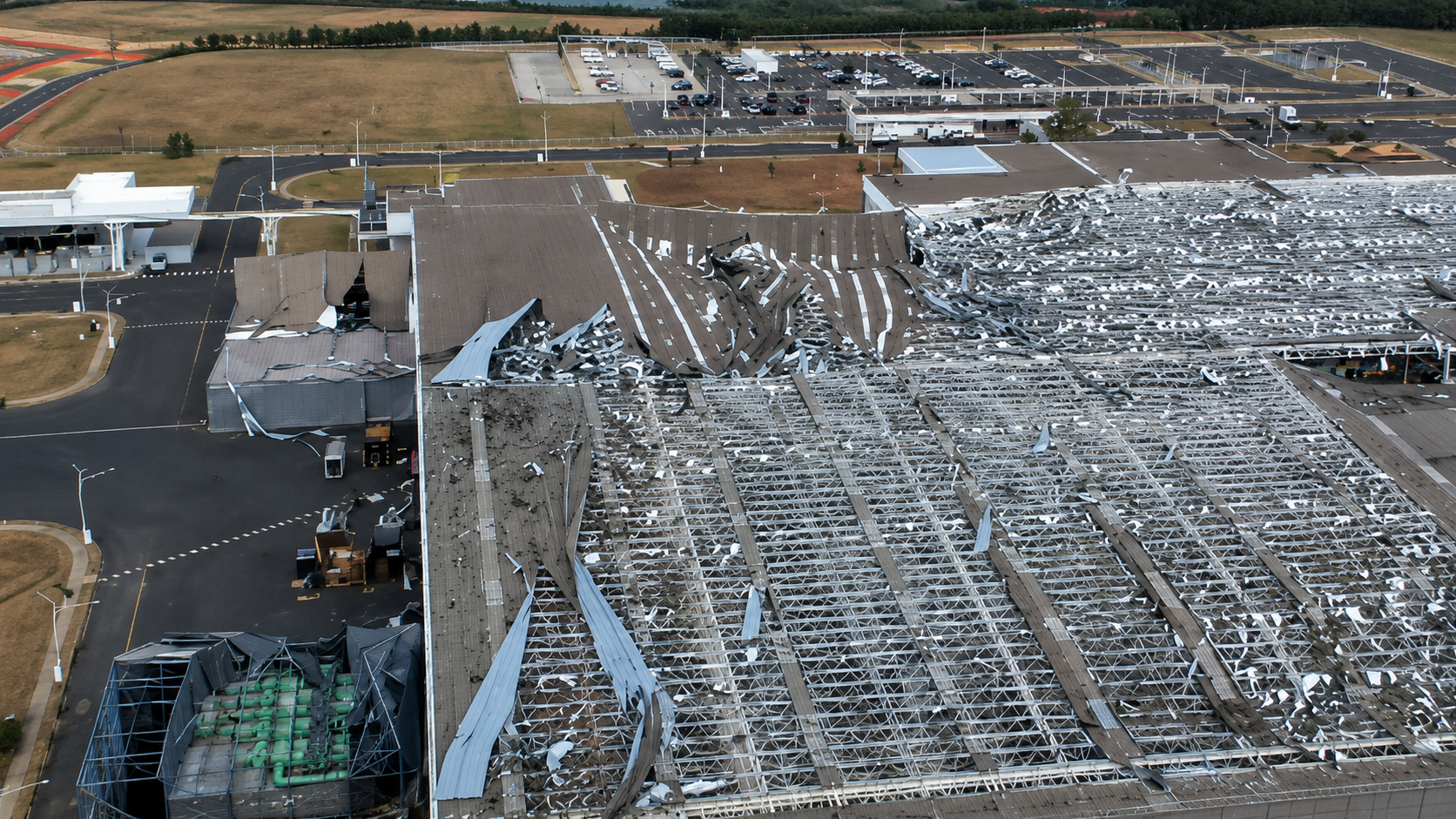
Toyota’s factory in Porto Feliz has been completely demolished after a windstorm, and rebuilding from scratch changes the engine plan until 2028.

-
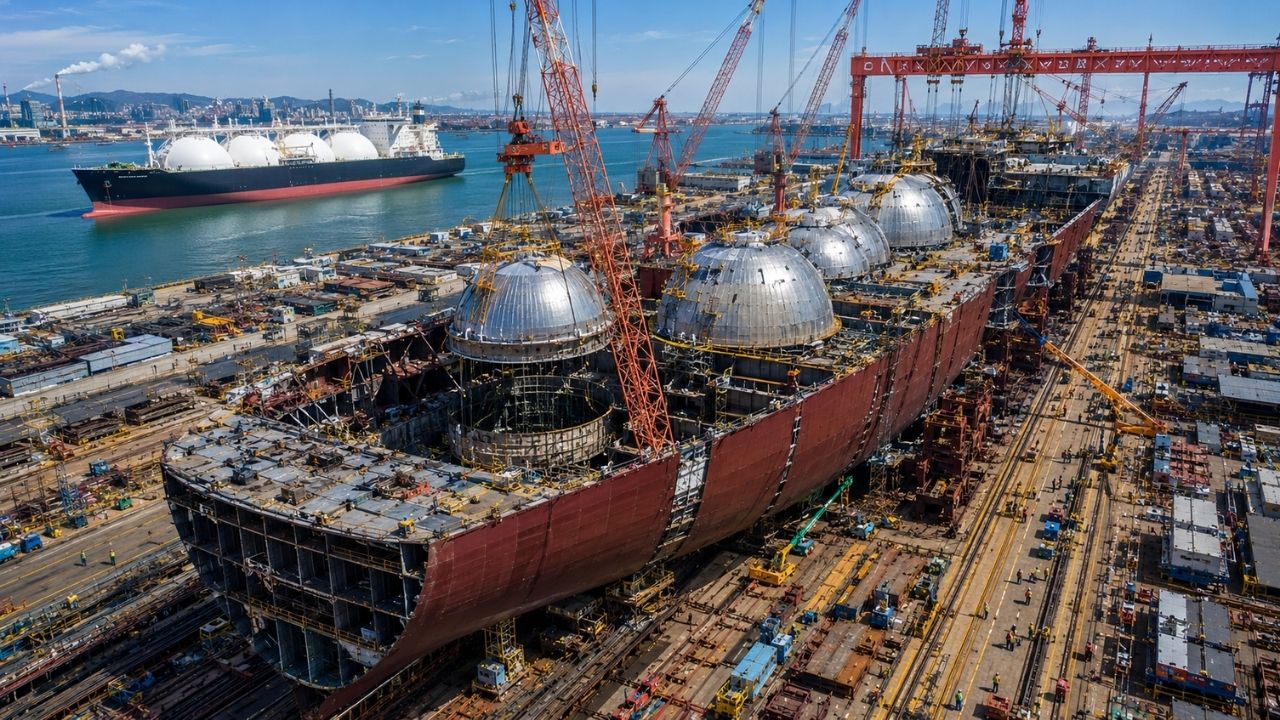
China begins construction of the world’s largest LNG ship, a 344-meter giant capable of supplying 4.7 million homes for a month, carrying 271,000 m³ of gas, and placing QatarEnergy in the largest naval order ever recorded in world history.

-
Bangladesh tested a house that seems to have hidden buoys, stays firm on the ground on dry days, and floats during floods without turning into a houseboat.


It is important to know that projects once possible only in fiction have now become reality. For example, launched at the end of 2021, the Norwegian ship Yara Bierkeland, which harmonized technology and energy efficiency, was the first among independent ships, even though it has not completely excluded the presence of a human crew on board.
Shortly after that, it was the turn of Mikage, a ship from the Japanese Mitsui Lines, to dock by itself, using drones to release the cables for the stevedores. The expectation is that the transformation has only just begun and will bring even more progress to maritime operations.
Brazil Is Closely Following This Advancement And Intends To Keep Up With The Transformations
Thus, it is worth understanding that Brazil is closely monitoring the new scenario and does not intend to be left behind. Therefore, since 2020, the country has had an artificial intelligence sector that brings together representatives from the government, maritime academia, maritime companies, and industry to plan new technological solutions in partnership with research centers and attract investments for the country’s new bets on maritime transport and port activities.
Moreover, Brazilian port cities already have centers of essential technological innovation. It is noted that the expected efficiency for maritime activities will only be achieved with the inclusion of the entire logistics chain involved in moving goods, from collection at factories, storage, dispatch, transport, unloading, and delivery to the final recipient.
In this sense, it is important to know that the current scenario of the war between Russia and Ukraine may slow down the transformative wave in the sector. In addition to the human tragedy and the consequent increase in misery, the conflict also poses risks to the full operation of port terminals, ships, and communication infrastructure, not limited to the countries involved. No less significant are the impacts suffered from the cyberwarfare between these nations.
Therefore, advancements in the protection of communication conditions are needed so that no ship operates in isolation, but as part of the global supply network, allowing maritime activities to function fully. This is because the entrepreneurial agenda of intelligent and technological navigation requires a peaceful environment and strong collaboration among nations.





Be the first to react!