Portuguese
  Spanish


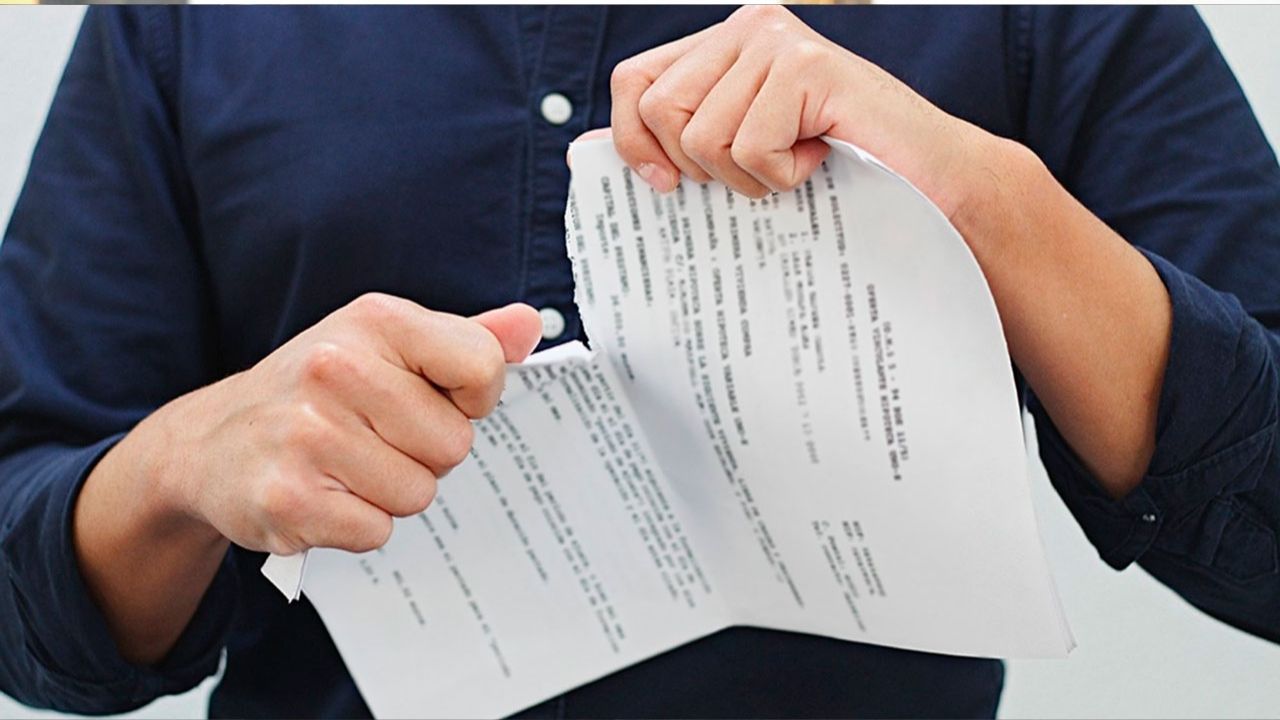

Understand How Dismissal During the Probationary Period Works and Your Rights. Find Out When It Can Happen, How to Avoid Surprises, and What the Legal Conditions Are That Protect the Worker.
Dismissing someone during the probationary period can raise many doubts among workers, especially regarding the rights involved in this type of termination.
The probationary contract, which has a limited duration of up to 90 days, is an important phase for both the employer and the employee.
However, many people do not know exactly what happens if the dismissal occurs before the end of this period.
-
Dismissing a retired worker or one eligible for retirement constitutes ageism and creates a duty to compensate: a unanimous decision by the TRT mandates reinstatement to employment, payment of back wages, and upholds compensation of R$ 15,000 for discrimination.

-
Work less and produce more? Nobel Prize in Economics explains why shorter workdays can increase productivity

-
Unions are growing again in Brazil after more than a decade, but they face an urgent challenge to win back digital workers and maintain relevance.
-
From the typewriter to the home office: how work has changed and why new generations think differently




In which situations can this happen? What can the worker expect in terms of benefits and payments?
In this article, we will clarify the main questions on the subject and how you can protect yourself during the probationary period.
What Is a Probationary Contract?
The probationary contract is a type of employment contract that allows the employer to evaluate an employee’s performance for a defined period.
This contract has a maximum term of 90 days and can be renewed once, if necessary.
During this time, the company has the opportunity to test the employee’s skills before formalizing the hiring for an indefinite period.
For the worker, the probationary contract provides the chance to demonstrate their skills and adapt to the work routine.
Dismissal in the Probationary Contract: Is It Possible?
Yes, it is possible to be dismissed during the probationary contract, both by the employer and the employee.
In this type of relationship, the worker is subject to constant evaluation, and dismissal can occur at any time if the company is not satisfied with their performance or for other reasons that do not involve just cause.
However, it is worth remembering that, in any situation, there are rights that must be respected.
What Are the Rights of the Worker During Dismissal in the Probationary Contract?
If the employee is dismissed before the end of the probationary contract, they have the right to receive severance in accordance with labor laws.
Among the guaranteed rights are:
- Notice Period: If the employer decides on dismissal, they must provide the worker with a notice period, which can be worked or compensated.
- Salary Balance: The employee has the right to receive the days worked up to the moment of dismissal.
- Proportional Vacation: The employee has the right to proportional vacation if they have completed at least 12 months of work.
- Proportional 13th Salary: Just like the vacation, the worker has the right to the proportional 13th salary based on the length of service.
- FGTS Penalty: The employer must also pay the 40% penalty on the FGTS amount if the dismissal is not for just cause.
How Can the Worker Be Dismissed Without Just Cause?
Dismissal without just cause is the most common during the probationary contract.
The employer can decide to terminate the contract due to dissatisfaction with the employee’s performance or for other reasons, such as financial problems or internal restructuring.
In this case, the employer must follow the termination procedures provided by the labor laws, and the worker has the right to the aforementioned benefits.
Additionally, it is important to highlight that if the worker decides to leave the job before the end of the probationary contract, they can also resign, but must fulfill the notice period or pay the penalty for not doing so.
How to Protect Yourself During the Probationary Contract?
Although dismissal during the probationary contract is a possibility, the worker can take some measures to minimize surprises:
- Check the Contract: Upon being hired, the worker should carefully read the clauses of the probationary contract. The period and conditions for renewal or termination should be clearly defined.
- Performance: The main reason for dismissal during this period is directly related to performance. Therefore, it is important for the worker to always be aware of the company’s expectations.
- Communicate with Leadership: If there are any problems or uncertainties about the continuity of employment, it is advisable for the worker to speak with their supervisor to understand what can be done to improve their performance.
What If the Dismissal Is for Just Cause?
Just cause is one of the most severe forms of dismissal, and it can occur even during the probationary contract if the worker commits serious infractions, such as unjustified absences or disrespecting the company’s rules.
In this situation, the worker’s rights are reduced, and they lose certain benefits, such as the right to the FGTS penalty and the notice period.
However, dismissal for just cause is an extreme measure and should be applied based on concrete evidence.
Dismissing someone during the probationary contract is possible, both on the part of the employer and the employee.
During this period, the rights of the worker are guaranteed by labor laws, and they can receive proportional severance, such as vacation and 13th salary, in addition to being paid for the time worked.
However, dismissal without just cause is still the most common, and the employee should stay alert to the contract conditions to avoid surprises.
Finally, it is essential that both the employer and employee understand the rights and duties provided by law, ensuring a fair and uncomplicated dismissal process.