Portuguese
  Spanish


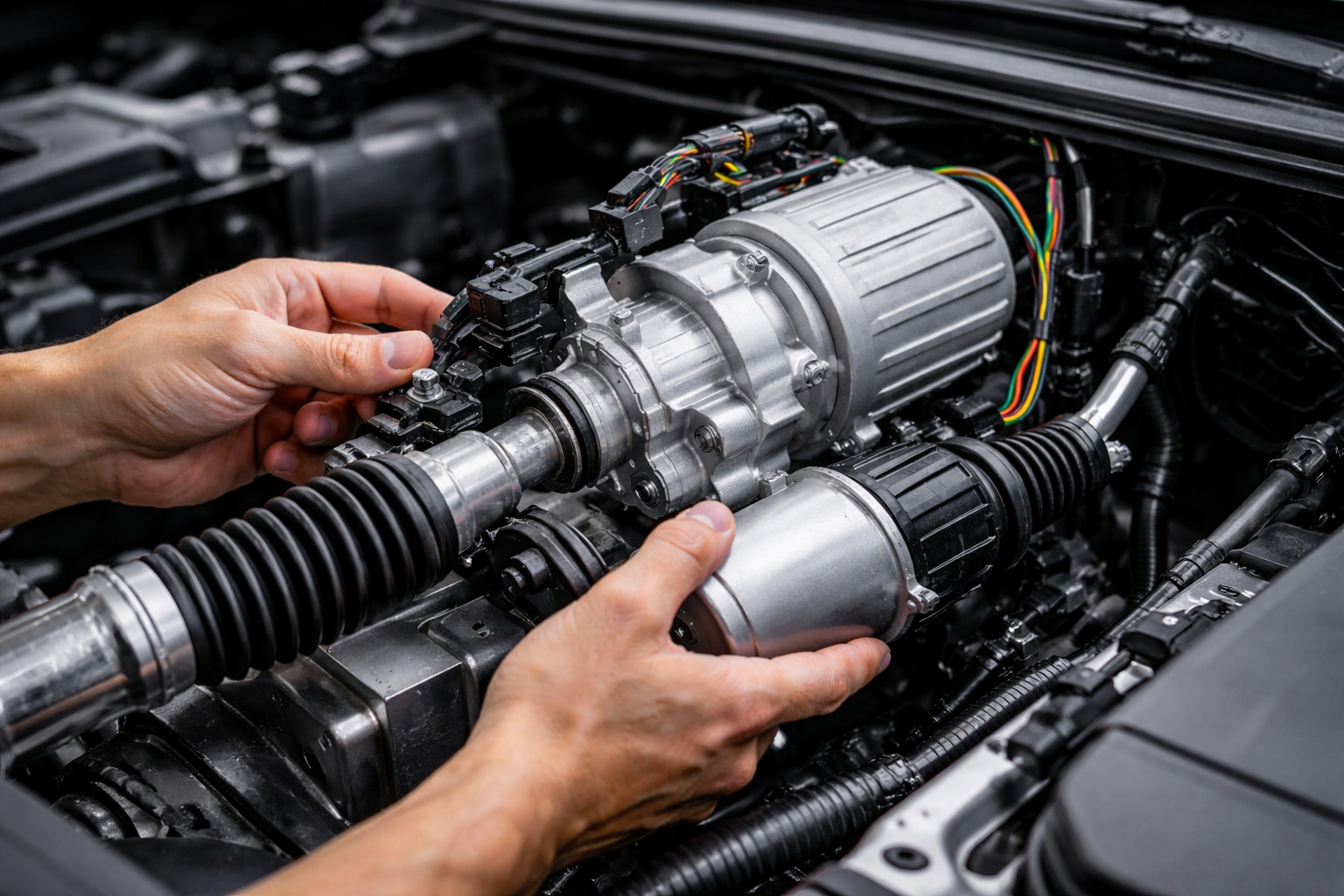

The Evolution of Automotive Steering Shows Why Electric Technology Is Replacing Hydraulic Systems in Modern Vehicles
The technological evolution of automobiles has transformed various mechanical systems in recent decades. Among these changes, the steering system has undergone one of the most significant transformations in modern automotive engineering. For many years, hydraulic steering dominated vehicles and provided assistance to the driver through pumps and pressurized fluid.
With the advancement of embedded electronics, however, automakers began to adopt electric steering on an increasingly large scale around the world. According to technical analyses from the Society of Automotive Engineers (SAE International) and the National Association of Motor Vehicle Manufacturers (ANFAVEA), this change gained momentum particularly from the 2000s. Since then, manufacturers have invested in more efficient, precise systems with lower maintenance needs, keeping pace with the technological evolution of modern vehicles.


Energy Efficiency Explains the Advancements of Electric Steering
Energy efficiency is one of the main factors driving the adoption of electric steering. In the traditional hydraulic system, the vehicle’s engine continuously drives a pump that maintains fluid pressure. Even when the driver does not turn the steering wheel, the system continues to consume energy.
-
Sales of Brazil’s Cheapest Electric Car Halted Before First Deliveries: E-Motors Suspends Emova Easy Due to Import Tax Increase and Rising Freight Costs

-
Nissan Discontinues Qashqai SUV Amid Cost-Cutting, Chinese Competition, and Product Line Review

-
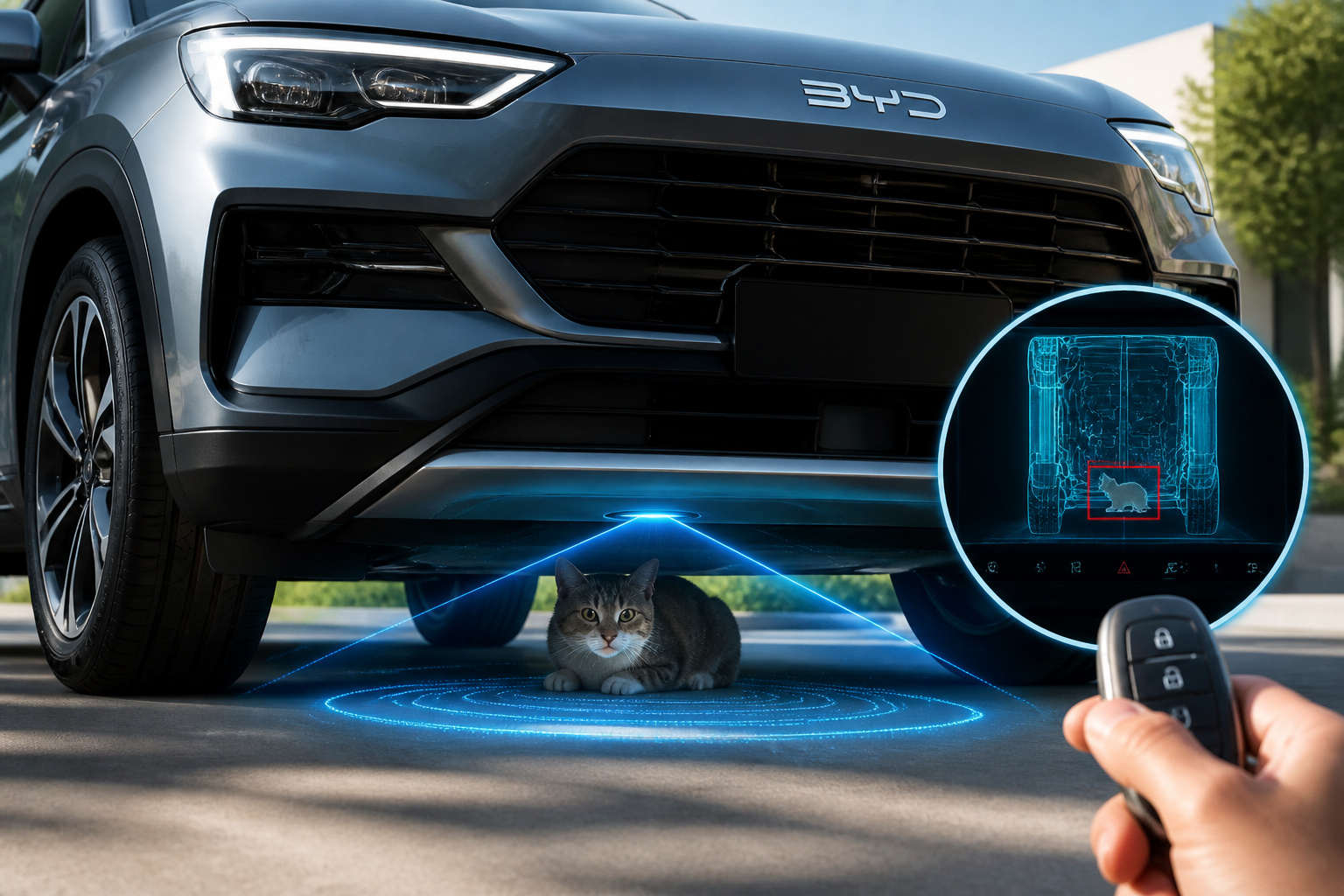
BYD Patents Revolutionary System Using Computer Vision to Detect Animals Under Cars Before Starting, Preventing Tragedies

-
Study Reveals Why Cars Are More Expensive to Produce and Buy in Brazil Compared to Mexico, Highlighting Taxes, Logistics, and Industrial Costs as Key Factors.


In electric steering, an electric motor assists the steering wheel only when necessary. This way, the system uses energy more efficiently and reduces the workload on the vehicle’s engine. As a result, the mechanical system operates with greater efficiency.
Technical reports released by the International Organization of Motor Vehicle Manufacturers (OICA) in 2015 indicate that this gain in efficiency has accelerated the adoption of electric steering in various automotive markets.
Greater Precision in Vehicle Control
Another factor that differentiates electric steering from hydraulic steering involves the level of precision in steering control. While the hydraulic system relies on fluid pressure and mechanical components, electric steering uses sensors and electronic modules.
These sensors monitor the movement of the steering wheel and adjust assistance immediately. Thus, the driver experiences smoother and more precise responses during driving. Additionally, electronic systems allow for more refined adjustments that vary according to vehicle speed or driving conditions.
Experts from Bosch Automotive Technology highlight that engineers have been perfecting this type of control since the 1990s, when the first electric steering systems emerged in the automotive industry.
Lower Maintenance Requirements
Electric steering also stands out for its lower maintenance requirements. The system has fewer mechanical components subject to natural wear and tear.
In hydraulic steering, the system relies on the circulation of pressurized fluid, requiring periodic checks and fluid replacement. Electric steering eliminates this need, as it does not use hydraulic fluid to assist the steering wheel.
Consequently, the system reduces mechanical complexity and decreases the likelihood of failures related to leaks or component wear. Studies published by SAE International throughout the 2010s indicate that reducing moving parts increases the reliability of electric systems.
Technology Increasingly Present in the Automotive Industry
In recent decades, electric steering has transitioned from an experimental solution to being integrated into many modern vehicles. The advancement of embedded electronics and automotive technologies has driven this transformation.
Moreover, the pursuit of energy efficiency and lower maintenance needs strengthens the preference for electric systems. For this reason, automakers incorporate electric steering into new automotive projects, consolidating this technology as one of the main evolutions of steering systems.
In light of this technological transformation, experts indicate that the replacement of hydraulic steering with electric should continue in the coming years, keeping pace with the evolution of automotive engineering.
In light of this silent change happening within today’s cars, do you believe that electric steering represents the definitive future of automotive driving?