





 Portuguese
  English
  Spanish
  2 min of reading
  0 comments


Scientists Discover That Marine Fungi Can Be Used To Degrade Plastics In The Oceans. Natural Solution Could Change The Environmental Game.
Scientists are teaching marine fungi to consume plastics that pollute the oceans. The process involves controlled adaptation in the laboratory and has shown promising results.
This new front in the fight against pollution could revolutionize the fate of marine waste. The discovery reignites hope for an ecological and self-sustaining cleanup.
Fungi at the Table: An Unusual Plastic Diet
Researchers have identified species of marine fungi capable of metabolizing plastic materials. By exposing the microorganisms to waste such as polyethylene, they began to recognize it as a carbon source.
-
U.S. Department of War project promises to recharge drones in the air using radio waves so a swarm can fly without ever landing.

-
The size of a thermos, Xiaomi announces a portable coffee maker with a 7,500 mAh battery, capable of preparing up to 400 coffees, professional pressure of 20 bar, and fast charging via USB-C.

-
Startup creates “robot cowboys” with drones that move cattle via cell phone, reduce the use of motorcycles, horses, and helicopters, and also monitor weight, pasture, water, and sick animals on farms.
-
Saudi Arabia launched the first hydrogen truck that drives itself and travels 1,500 kilometers without stopping.


This adaptation, made in a controlled environment, shows a natural way to address plastic pollution. The challenge now is to expand this capacity to real ocean environments.
Biotechnology with a Salty Flavor
The training process involves gradual exposure to polymers, allowing the fungi to develop specific enzymes. This approach is already used in other contexts, such as in the treatment of agricultural waste.
The novelty is the application in the saline and extreme environment of the oceans. Marine fungi exhibit greater resistance than their terrestrial counterparts.
Cleaner Ocean, Greener Science
It is estimated that around 11 million tons of plastic enter the oceans every year.
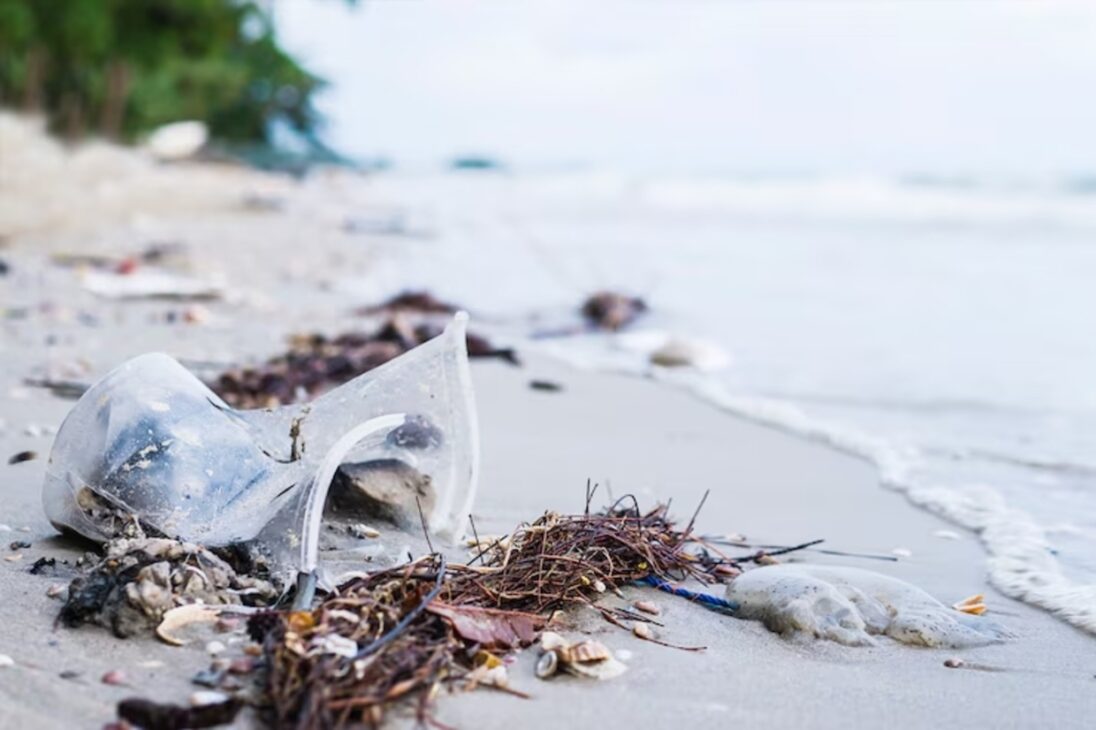
The possibility of reducing this number using biological agents represents a leap in environmental technology.
Furthermore, the fungi do not produce toxic waste in the process. This reinforces the appeal for solutions that do not create new problems.
Next Steps: From Laboratories to the Seas
The future goal is to create floating platforms or submerged systems with fungi that act in situ. This will require research on ecological impacts and safety for marine species.
If feasible, the method could be integrated into ocean cleanup policies. Nature and science can, together, repair what humanity has damaged.


Be the first to react!