Portuguese
  Spanish


On Environment Day, Alok showed in a video the progress of the Floresta Áurea, a project that uses drones from his shows to launch 67 species of seeds and, with seedlings, reforest degraded areas of the Atlantic Forest in Barra Bonita, alongside SOS Mata Atlântica.
The technology that creates the light effects of drones in shows gained an unexpected function: planting forests. DJ Alok is using the same drones that illuminate his performances to launch seeds from above and help recover degraded areas of the Atlantic Forest in Barra Bonita, in the interior of São Paulo.
He took advantage of Environment Day, on June 5, 2026, to post on Instagram a video showing the progress of the project, named Floresta Áurea. The initiative, launched in 2025 in partnership between the Instituto Alok and the SOS Mata Atlântica Foundation, combines traditional seedling planting with experimental seeding done by drones.
How the drones launch seeds to reforest
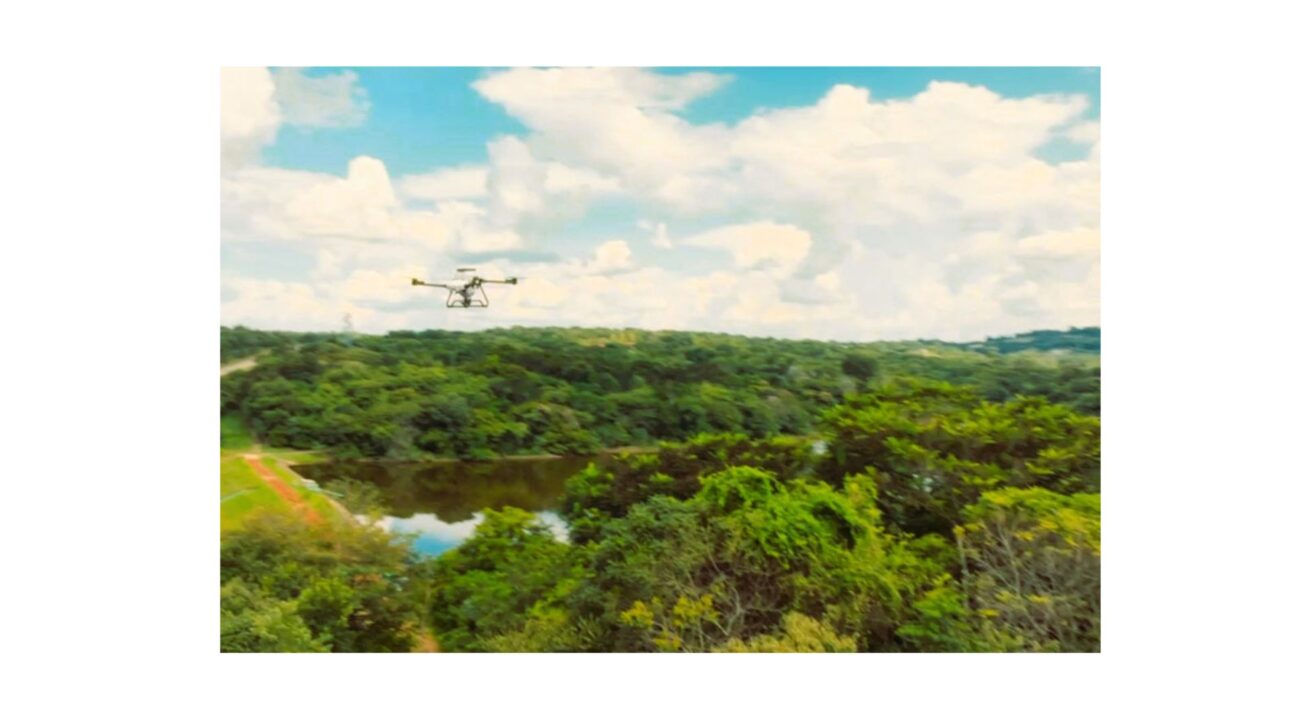
The most innovative part of the project takes place at the Barreiro Rico Ecological Station, where about 4 hectares are restored with direct seeding by drones. According to the project description, 67 species of native seeds are mixed and placed in the equipment, which launches them from above over the degraded land. Before this, it is necessary to remove the invasive grass that covers the soil and prevents the seeds from germinating.
-
Texas Teens Win $50,000 at World’s Largest Science Fair for Developing Non-Surgical Brain-Controlled Bionic Prosthesis with 98% Accuracy

-
Samsung Galaxy A27 Launches with 6.7-inch Super AMOLED Display, Full HD+ Resolution, Android 16, Six Years of Updates, Snapdragon 6 Gen 3, and Dust and Splash Resistance; Available for Pre-order in the US for $350

-
Five Brazilian Students Invent Drug Test Pen That Detects Date Rape Drugs in Seconds
-
Viedma Glacier Retreat in Patagonia Uncovers 900-Meter-Deep Basin, Making Viedma the Deepest Lake in the Americas


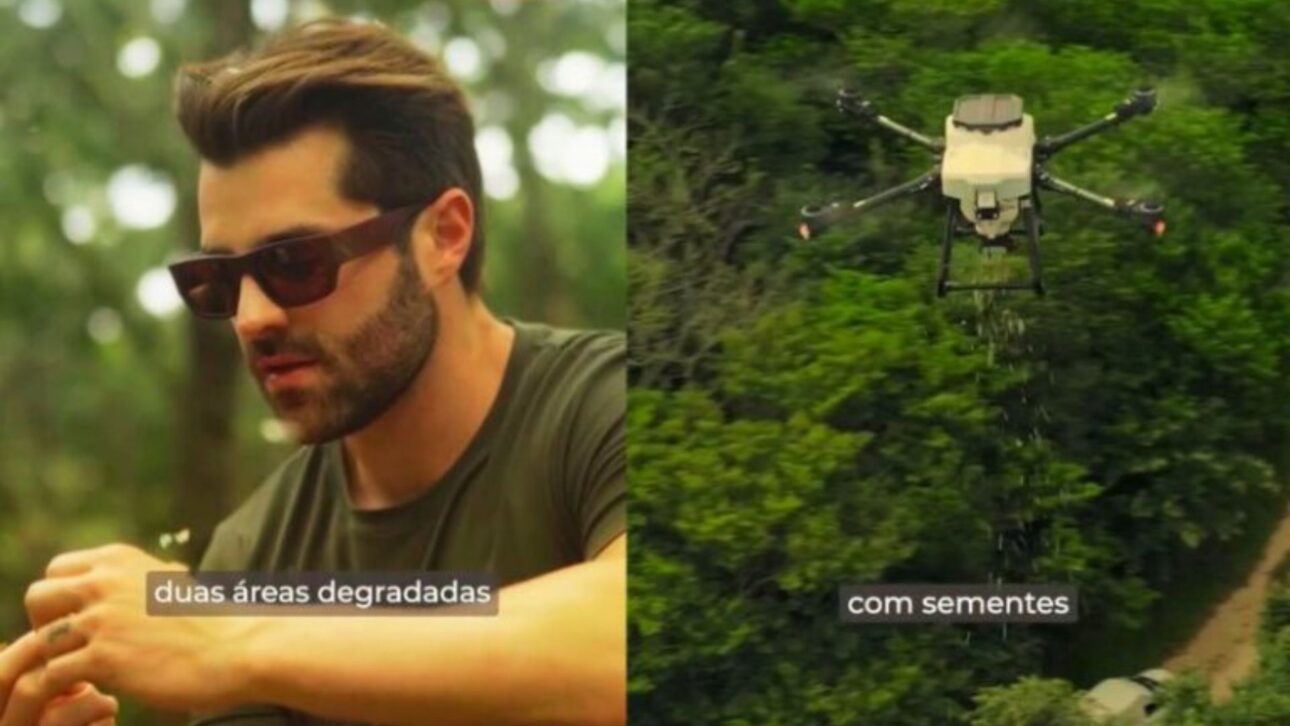
It is exactly the same technological base of the drones that Alok uses for the visual effects of his shows, now redirected towards nature. The great advantage of aerial seeding is reaching areas of difficult access quickly and at a lower cost, spreading many seeds in a short time over the sections that are to be transformed back into the Atlantic Forest.
Floresta Áurea: where it is and how many seedlings will be planted
Besides the seeds launched by drones, the project bets on traditional planting. In total, Floresta Áurea intends to restore about 12 hectares, equivalent to about twelve football fields, in two municipalities of the middle Tietê River basin, in the interior of São Paulo: Anhembi and Barra Bonita. In these areas, classified as permanent preservation, 18,500 seedlings of about 50 native species are being planted.
These sections were degraded and overtaken by invasive grasses, without native vegetation. By restoring the forest along the riverbanks, the planting acts as a riparian forest, which protects the watercourse, helps preserve the flora, and contributes to rebalancing the biome. It is a way to return to the region, including Barra Bonita, a piece of the Atlantic Forest that has practically disappeared there.
The partnership with SOS Mata Atlântica and why it matters
Floresta Áurea is driven by the Instituto Alok, founded by the DJ in 2020, in partnership with the SOS Mata Atlântica Foundation, within the Floresta do Futuro program, and is supported by sponsor brands of the artist’s tour. The environmental weight of the project is clear in the region’s numbers: the Atlantic Forest coverage is only 0.67% in Anhembi and 1.26% in Barra Bonita, meaning almost nothing of the original biome remains standing.
According to Rafael Bitante Fernandes, forest restoration manager at SOS Mata Atlântica, the use of drones is an innovative component that is being tested and monitored and that, in the future, may reduce the costs of forest recovery. The Alok Institute, it is worth remembering, already maintains other reforestation projects across the country, including actions in the Amazon and in the recovery of araucaria forests in Santa Catarina.
Sowing by drones is promising, but still in testing


Despite the enthusiasm, it is important to keep expectations in the right place. Sowing by drones is considered promising precisely because it is fast, cheap, and capable of covering difficult terrain, but in the project, it appears in an experimental capacity. Therefore, it goes hand in hand with seedling planting, a more established method, while the results are closely monitored by technicians.
It is worth remembering that not every seed sown thrives, and that true reforestation takes years of monitoring until the forest is established. Success depends on factors such as rainfall, soil preparation, and species selection, especially in a place like the Estação do Barreiro Rico, which lost diversity after a fire years ago. Even so, by combining Alok, technology, and science, the Mata Atlântica gains a model that can inspire other initiatives across Brazil.
Using drones that light up shows to plant seeds and reforest the Mata Atlântica is the kind of idea that unexpectedly combines entertainment and the environment.
Tell us in the comments if you think drone technology can really help recover forests on a large scale.