






 Portuguese
  Spanish


An Elderly Man Who Rejected a Million-Dollar Offer to Leave His Home Now Lives Isolated, Surrounded by a Highway. The Case Raises Debate About Eminent Domain, Regret, and the Impacts of Being the Last Resident Amid Urban Advancement
An elderly man has become a symbol of resistance after refusing a BRL 1 million offer to leave his home, located in the path of a highway under construction. Initially viewed as determined and courageous, he now admits to regret. The road was built around his residence, isolating him amid heavy traffic and turning his daily life into a true nightmare. In this article, you will understand all the details of this case, the social and legal implications of eminent domain, and the challenges faced by the last resident of the highway.
Elderly Man Rejects BRL 1 Million and Becomes the Last Resident of the Highway
In 2023, an elderly resident of Gansu, China, caught the attention of the international media after rejecting an offer of approximately BRL 1 million made by local authorities for him to leave his home.
The property was located on the route of a new expressway, and the eminent domain was considered essential for the progression of the project.
-
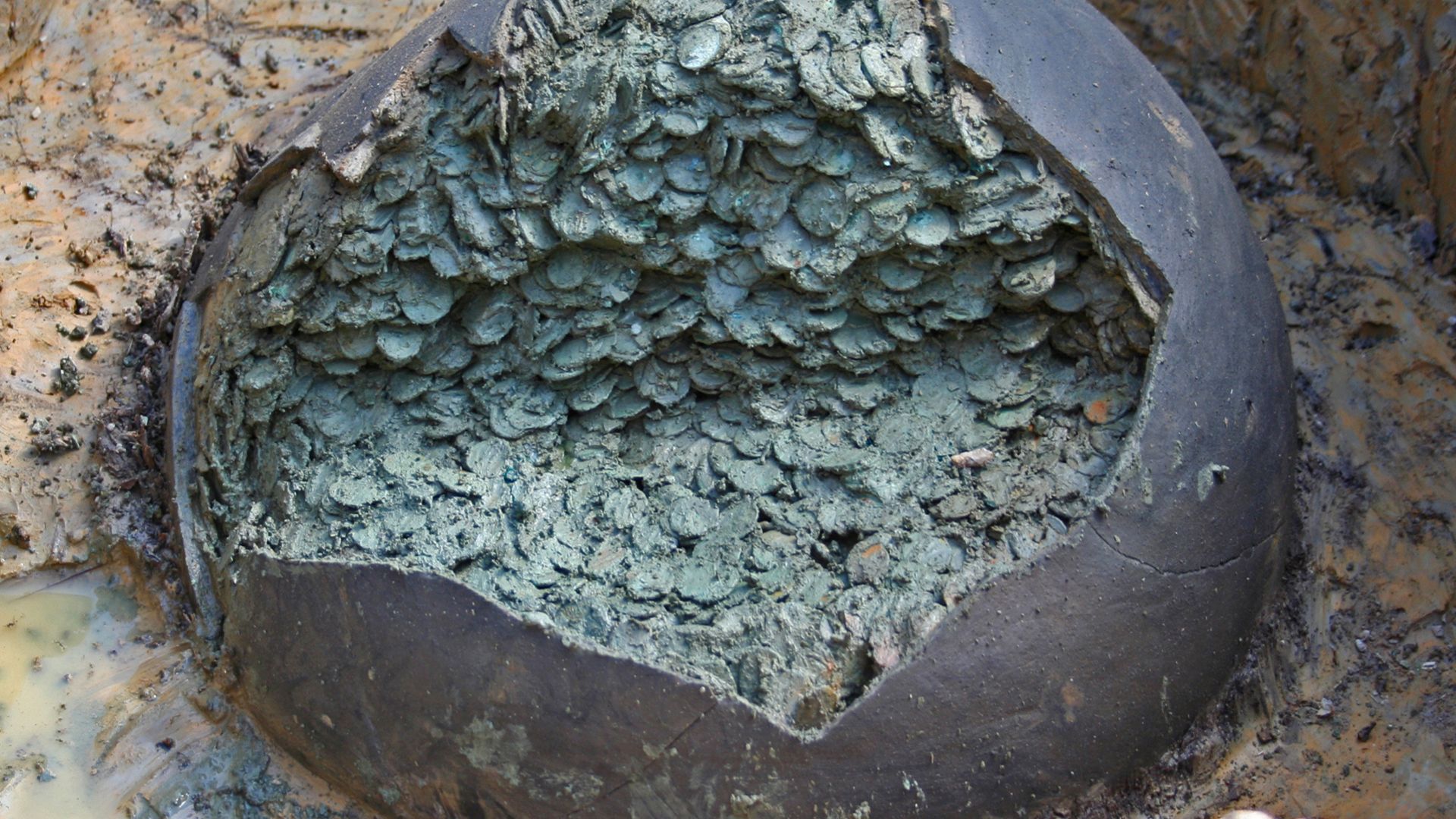
Hospital Cook Discovers 1,700-Year-Old Pot of 52,503 Roman Coins Using Metal Detector in Field

-
Salvador’s Acarajé Vendors Turn Used Frying Oil into Income by Selling it for Biodiesel Production
-
Volunteer Revives Dead Lake in Bengaluru Overnight, Doubling Water Capacity and Attracting Kingfishers and Herons
-
1909 Train Car Once Destined for Abandonment Transformed into Luxury Accommodation in the U.S. After $3,000 Restoration



However, the man refused to leave. Even in the face of the authorities’ insistence, he stood firm, becoming the last resident of the highway after the other neighbors accepted the agreements.
With no legal alternatives to force him to leave, the engineers decided to proceed with the construction — the road was built around the house, literally circling the property.


House Surrounded by Highway Exposes Failures in Urban Planning
The case of the house surrounded by a highway illustrates how failures in communication and planning can lead to extreme situations. In theory, all residents of areas of public interest must be fairly compensated and relocated before construction begins. However, when there is resistance and the absence of a definitive agreement, such surreal outcomes can occur.
Although the Chinese government claims that all legal processes were respected, the visual result of the construction has drawn criticism of the project. The elderly man’s house was isolated in a concrete construction site, surrounded by cars traveling at high speeds and without any safety structures in the vicinity.
Similar cases have occurred in countries such as China and Japan, but they are extremely rare. They show that the refusal of a single resident can have a significant impact on the design of a public work and on the local daily life.
Regret After Failed Ejection and Social Isolation
Over time, the elderly man began to report the difficulties of living surrounded by a highway. The constant noise from cars and trucks, the difficulty accessing his residence, and the lack of privacy led him to publicly admit his regret for not accepting the eminent domain.
This type of regret after eminent domain is more common than one might think. Studies on eminent domain processes indicate that emotional attachment to the property is one of the main reasons for the refusal of compensation offers, which can lead to later regrets, especially when the resident’s quality of life is affected by the advance of construction or isolation.
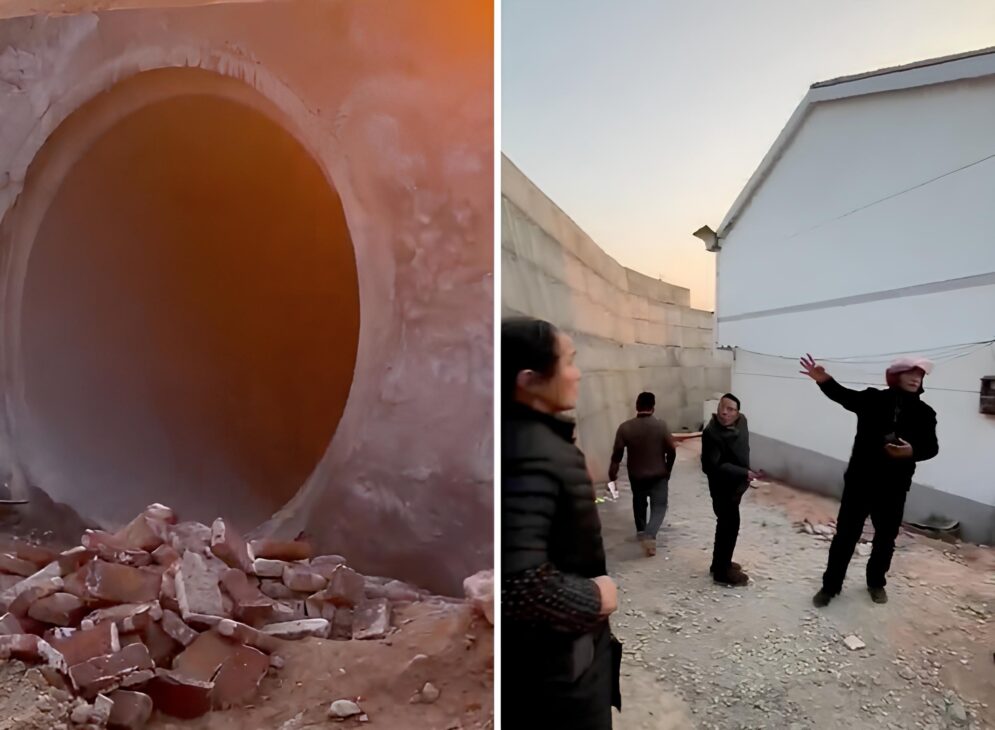
For the elderly man, who already faces natural limitations of age, the new scenario has become dangerous and exhausting. He lives in fear of accidents, has difficulty receiving visitors, and feels psychologically affected by isolation.
When Progress Becomes a Nightmare: Road Built Around and Impact on Quality of Life
The road built around the residence not only altered the landscape but also profoundly affected the quality of life of the resident. Without sidewalks, with constant traffic, and the absence of accessibility, the area has become unsuitable for habitation.
In addition to physical isolation, the house has faced difficulties accessing basic services such as water and electricity since the urban infrastructure around it was modified to accommodate the road’s path.
The case illustrates how the advancement of infrastructure, when poorly managed, can result in situations of vulnerability and exposure, especially for elderly individuals or those in socially fragile situations.
Elderly Man Who Rejects BRL 1 Million Becomes a Symbol of Resistance and a Warning for Public Policy
Despite the difficulties, the elderly man has become a symbol of resistance. Many internet users initially supported him, seeing his stance as a defense of the right to housing and dignity. However, the evolution of the situation sparked a deeper debate about the limits of progress and the role of the state in eminent domain cases.
Urban planning experts warn that cases like this should serve as a wake-up call for formulating more efficient public policies. The refusal of fair compensation cannot be ignored, but it also should not result in isolation and abandonment.
It is essential that governments and companies involved in large construction projects provide psychological, legal, and social support to impacted residents, to prevent the regret after failed eminent domain from resulting in permanent consequences.
What the Law Says About Eminent Domain in Brazil
Although the case occurred in China, the debate is highly relevant in Brazil. The Federal Constitution and the Law of Eminent Domain (Decree-Law No. 3,365/41) state that any eminent domain for public utility must ensure prior, fair compensation in cash.
However, it is common to find similar conflicts in Brazil, especially in highway and railway projects. According to data from the Attorney General’s Office (AGU), in 2007, there were 149 lawsuits related to infrastructure projects, of which about 47% involved disputes over eminent domain, reflecting the resistance of property owners regarding the offered amounts.
These impasses affect not only the progress of the works but also the residents themselves, who sometimes find themselves in undefined situations without adequate support or decent living conditions.
The Story of the Last Resident of the Highway as a Lesson for the Future
The trajectory of the elderly man who refused BRL 1 million to leave his home — now surrounded by a highway — reveals much more than a personal decision. It reflects the failures in eminent domain policies, the psychological impact of isolation, and the importance of people-centered urban planning.
Being the last resident of the highway may seem like an act of symbolic resistance, but it carries profound and often painful consequences. The regret after unsuccessful eminent domain shows that attachment to a home must be balanced with practical realities and urban space evolution.
To prevent new cases like this, it is essential for public authorities to act with empathy, transparency, and planning. Only then will it be possible to ensure that progress does not turn dreams into nightmares — and that no house surrounded by a highway becomes a symbol of institutional abandonment.


