






 Portuguese
  Spanish
 4 min of reading
  0 comments


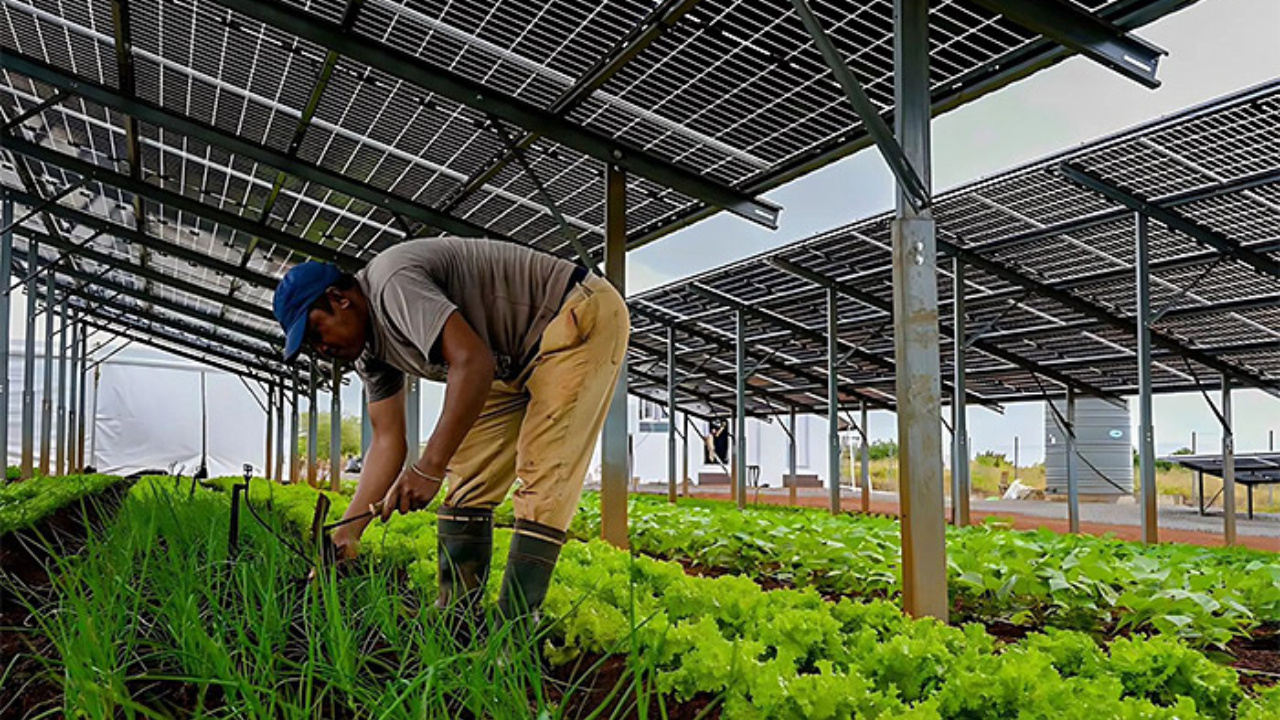
First Agro-Solar Plant in the Southeast, Resulting from the Partnership Between GNA, SUNfarming, Uenf, and Seenemar, Combines Solar Energy Generation and Sustainable Agricultural Production, With an Investment of R$ 15 Million and Focus on Training and Food Security in Northern Fluminense.
The energy transition in Brazil has just reached a historic milestone. It was announced on Wednesday, 8th, the first agro-solar plant in the Southeast Region, an innovative project that combines solar energy and agricultural production in the same area, ensuring sustainability, efficiency, and social inclusion.
The project was officially announced during the Rio+Agro fair, held at Riocentro, in Rio de Janeiro. The signing ceremony included representatives from GNA (Natural Gas Açu), the German company SUNfarming, the State University of Northern Fluminense (Uenf), and the State Department of Energy and Maritime Economy (Seenemar), which also plays a role in the technical and regulatory coordination of the project.
With an investment of R$ 15 million, the plant will be installed at the Antônio Sarlo Agricultural Technical School in Campos dos Goytacazes, in Northern Fluminense. The venture will allow for the simultaneous use of soil for solar generation and agricultural cultivation, a model that ensures food security, income generation, and professional training.
-
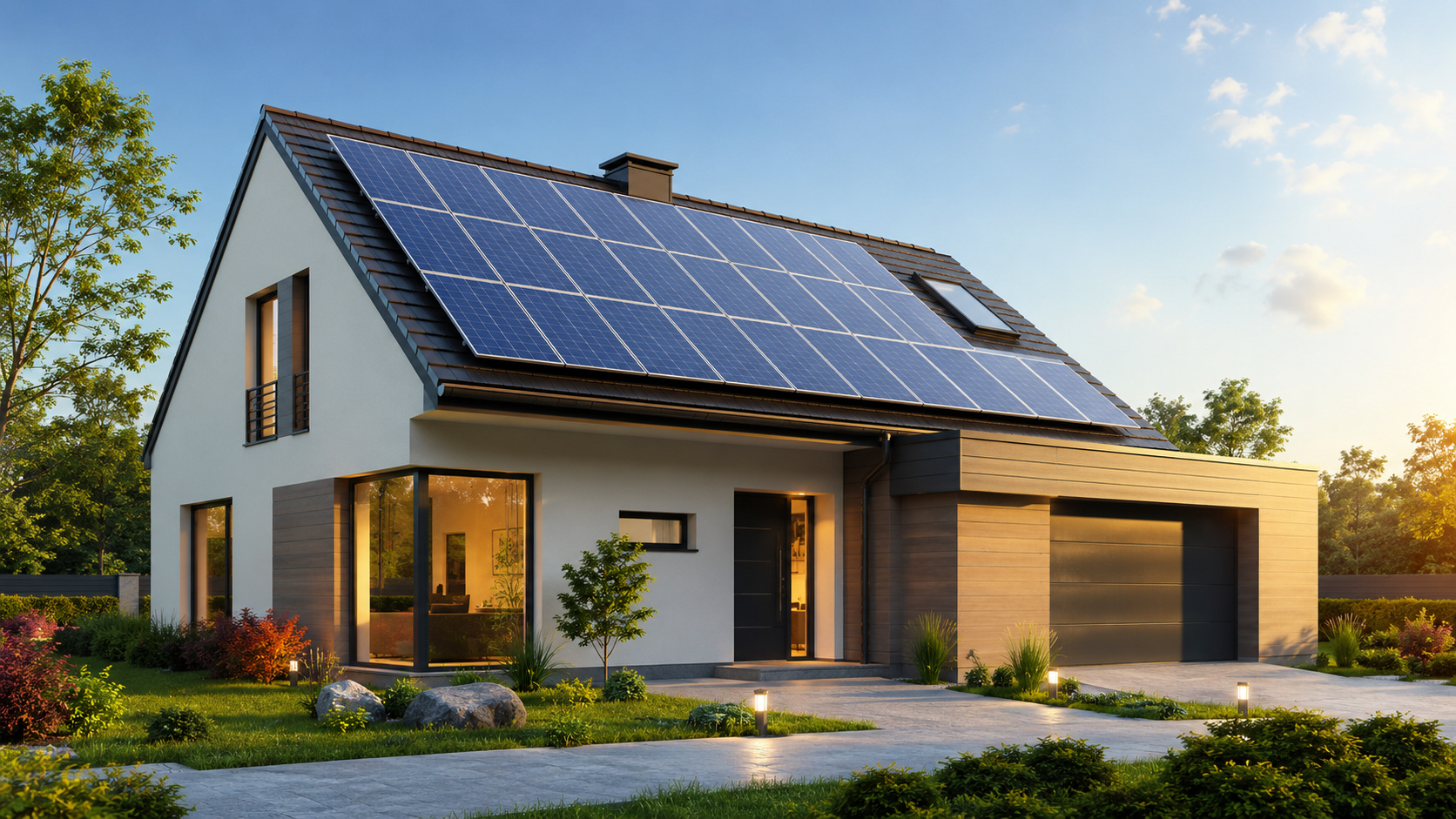
Solar energy can increase property value by up to 10% and become a selling point.

-
Solar and wind energy surpass natural gas for the first time in the world and accelerate energy revolution

-
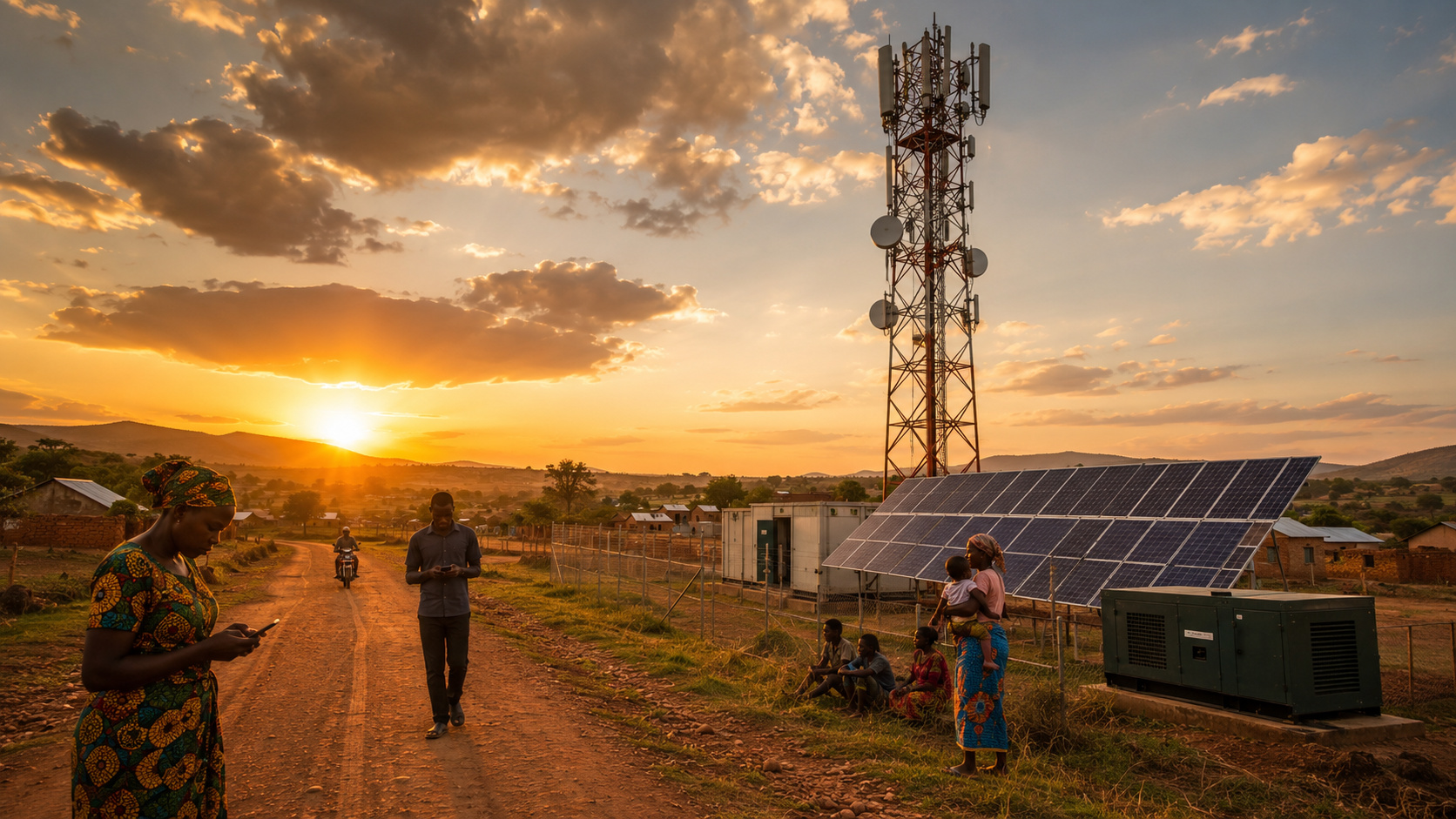
Africa has about 500,000 cell towers and most still burn diesel to operate, while companies rush to cover antennas with solar energy and avoid signal blackouts.
-
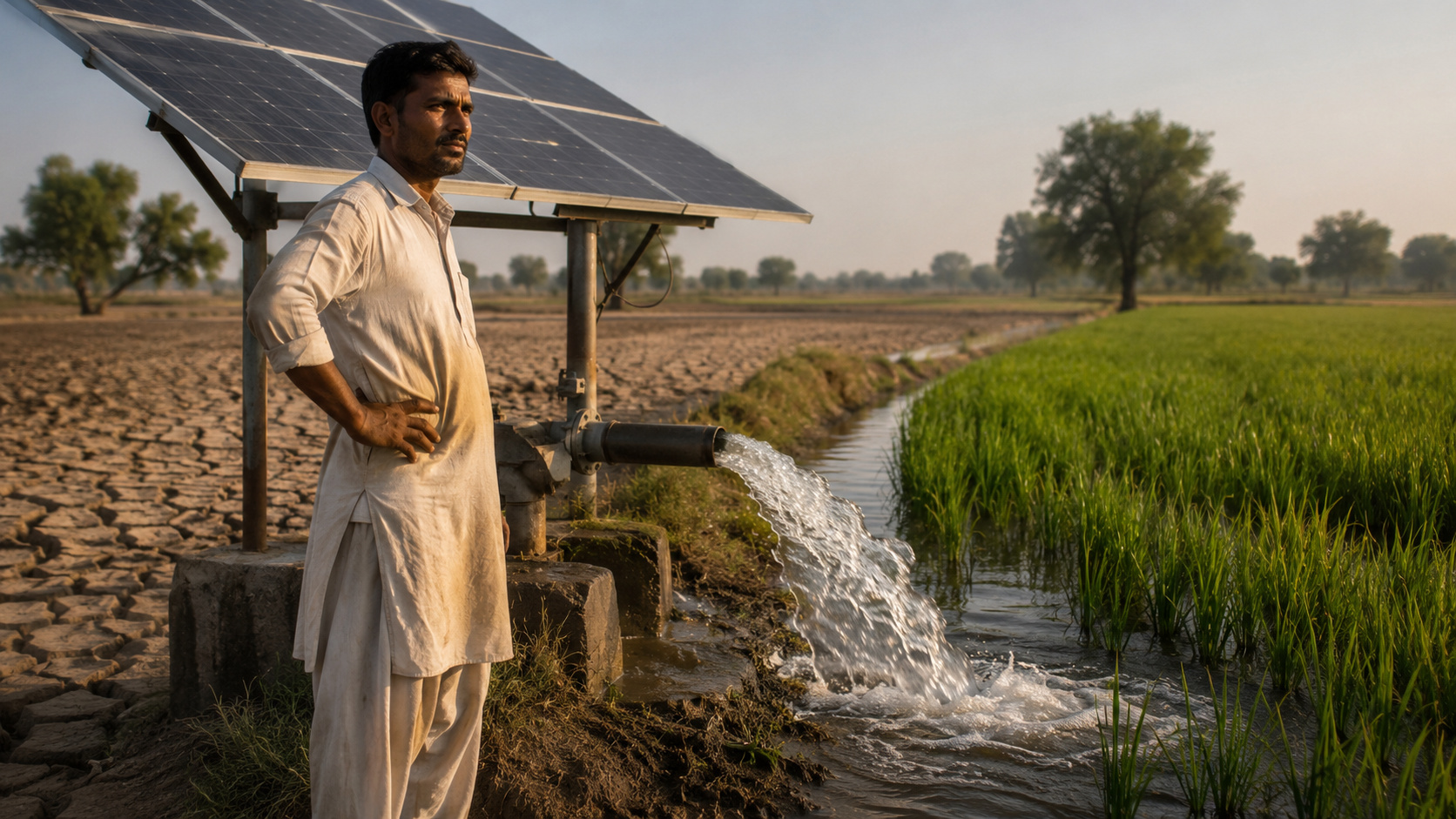
Farmers swapped diesel for solar panels in Pakistan, powered irrigation pumps almost cost-free, expanded rice fields, and now groundwater has become a red alert in the countryside.

Project Combines Solar Technology, Sustainability, and Professional Training
The plant will have the capacity to generate up to 1.5 megawatts (MW) of solar energy, enough to power the entire educational unit and also contribute to the regional energy matrix. In addition to electrical self-sufficiency, the site will house a Training and Research Center, developed in partnership with Brazilian and German institutions.
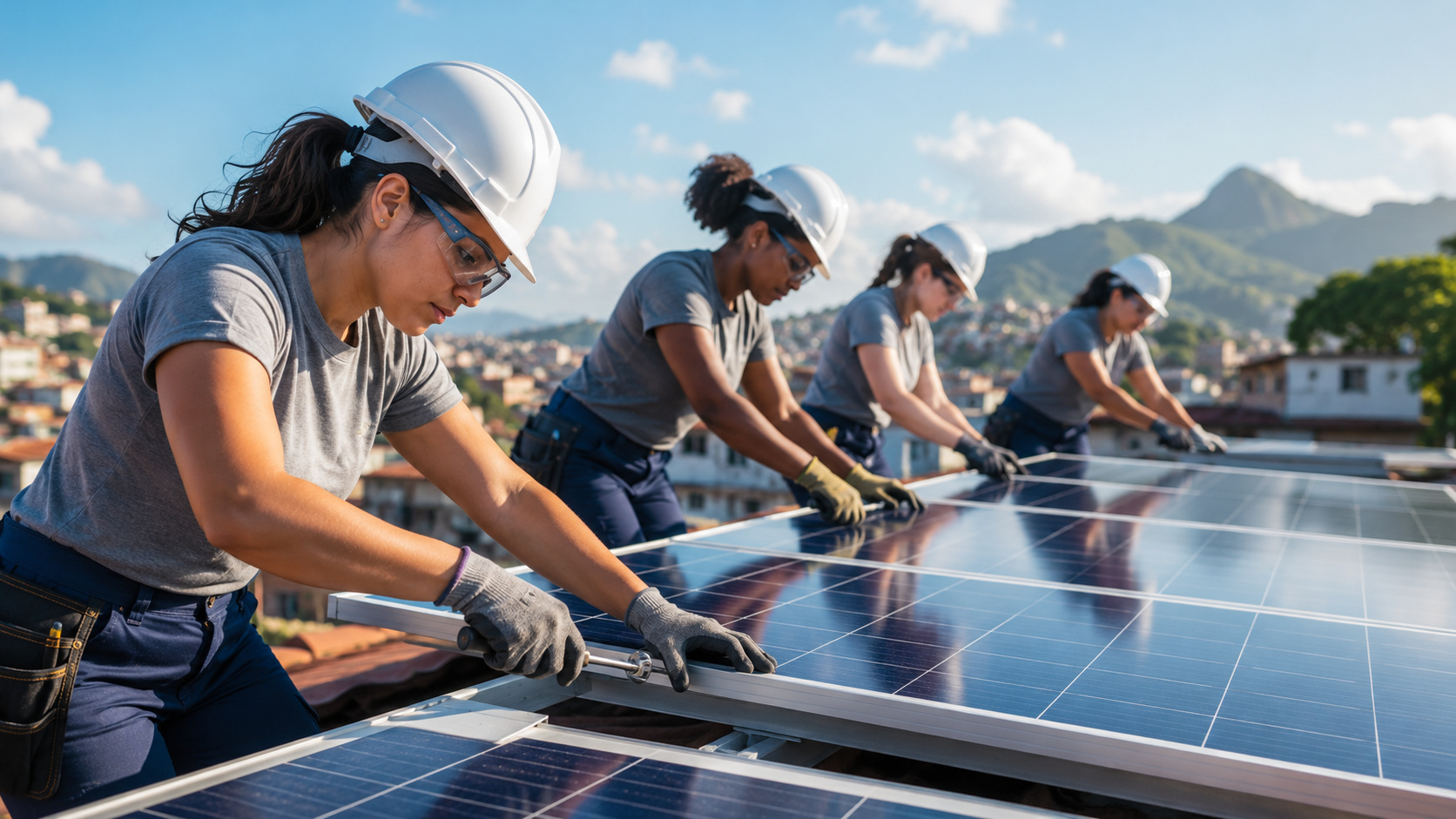
The space will offer courses and workshops on solar panel installation, electricity, and modern agricultural techniques, aimed at local communities and students in the region. The goal is to train qualified professionals to operate in the growing market of solar energy and the sustainable agro-industrial sector.
The State Secretary of Energy and Maritime Economy, Cássio Coelho, highlighted the strategic importance of the initiative:
“Rio de Janeiro, once again, leads with innovation and sustainability. This agro-solar plant is a landmark, as it combines clean energy, agricultural production, and professional training, showing how it is possible to generate sustainable development responsibly.”
International Partnership Reinforces Fluminense Leadership in Solar Energy
For GNA’s CEO, Emmanuel Delfosse, the project strengthens the company’s commitment to energy transition and regional development:
“It is a great satisfaction to announce GNA’s first solar project and also the first agro-solar project in the Southeast. This milestone reinforces our commitment to security and energy transition while creating opportunities for local communities and promoting sustainable development in Northern Fluminense and throughout the State of Rio de Janeiro.”
SUNfarming, one of the largest solar energy companies in Germany, leads the technical execution. With over 680 MWp installed globally — of which 380 MWp are owned — the company has been operating in Brazil since 2021, focusing on Agri-Solar projects in the states of Ceará, Pará, and Rio de Janeiro.
According to company representatives, the Agri-Solar model combines agricultural production and electrical generation, allowing the same land to produce food and clean energy simultaneously, without compromising soil productivity.
How the Agro-Solar Model Works and Its Benefits
The solar panels used in this type of plant function like small power plants. They convert sunlight into electricity, ensuring energy efficiency and cost reduction. In the agrivoltaic model, special panels are installed above the crops, allowing partial light passage.
This configuration offers a dual advantage: in addition to generating sustainable energy, it creates ideal conditions for cultivation, as the partial shade helps to control temperature and reduce water evaporation. The balanced distribution of sunlight and rainfall makes the environment more productive and resilient, especially during dry periods.
During Rio+Agro, the Seenemar booth showcased a scaled-down demonstration of the system, highlighting how the agro-solar model can transform the Brazilian agricultural sector. The proposal is to optimize soil use, enhance food security, and strengthen clean energy production — three fundamental pillars for sustainable development.
Solar Energy Drives Economy and Innovation in Rio de Janeiro
The initiative is supported by the Energy Compensation Decree, signed by Governor Cláudio Castro in June of this year, which facilitates public-private partnerships aimed at renewable energy generation.
With this, Rio de Janeiro strengthens its position as a national reference in energy innovation, attracting new investments and consolidating policies that promote sustainability. Seenemar has been working to connect companies, universities, and public agencies, transforming the state into a hub for green technology.
GNA (Natural Gas Açu), one of the main investors in the project, reinforces this vision. Located in the Açu Port, the company operates the largest natural gas thermoelectric park in Latin America, with the capacity to generate 3 GW of energy — enough to supply 14 million homes. Now, with the investment in solar energy, GNA expands its portfolio to cleaner sources that align with the global energy transition.
With the advancement of this type of project, Northern Fluminense emerges as a laboratory for sustainable innovation. The partnership between GNA, SUNfarming, Uenf, and Seenemar proves that it is possible to integrate technology, education, and the environment within the same productive ecosystem.
By combining solar energy and agricultural production, the agro-solar model creates new job opportunities, promotes social inclusion, and strengthens Rio de Janeiro’s role in the transition to a low-carbon economy.




Be the first to react!